





Optimize workout split for peak strength & performance gains?

The Foundation of Effective Training: Understanding Workout Splits
To truly unlock your potential for peak strength and performance, one of the most critical elements to master is your workout split. A well-designed workout split dictates how you distribute your training across the week, ensuring adequate stimulus for muscle growth and strength adaptation while allowing sufficient time for recovery. Choosing the wrong split, or failing to optimize it, can lead to plateaus, overtraining, or inefficient progress.
This article will delve into the various popular workout splits, discuss their benefits, and guide you through the process of selecting and fine-tuning a split that aligns with your individual goals, recovery capacity, and schedule.
Popular Workout Split Methodologies
The fitness world offers a spectrum of workout splits, each with its own philosophy and advantages. Understanding these differences is the first step towards optimization.
Full-Body Split (2-3 Days/Week)
Ideal for beginners, individuals with limited training days, or those looking for efficient muscle and strength maintenance. Every major muscle group is trained in each session, allowing for high frequency per muscle group.
Upper/Lower Split (4 Days/Week)
A balanced approach that divides the body into upper and lower days, typically trained twice a week. This allows for greater volume per session per muscle group compared to full-body, with adequate recovery between similar sessions.

Push/Pull/Legs (PPL) Split (3 or 6 Days/Week)
A highly popular split that groups exercises by their movement patterns: Push (chest, shoulders, triceps), Pull (back, biceps), and Legs (quads, hamstrings, glutes, calves). When performed twice a week (6 days total), it offers high frequency and volume, making it excellent for hypertrophy and strength.
Bro Split / Body Part Split (4-6 Days/Week)
This traditional split dedicates an entire session to one or two muscle groups (e.g., Chest Day, Back Day, Leg Day). While popular among bodybuilders for its high volume per muscle group in a single session, it typically offers lower training frequency per muscle group over the week, which may not be optimal for strength for some.

Factors to Consider for Optimal Split Selection
Choosing the ‘best’ workout split isn’t about finding a universal answer; it’s about finding the best split for you. Several key factors influence this decision:
- Training Goals: Are you primarily chasing strength, hypertrophy, endurance, or a combination? Certain splits lend themselves better to specific goals.
- Recovery Capacity: Your sleep, nutrition, stress levels, and training age all impact your ability to recover. A highly demanding split (e.g., 6-day PPL) might be too much for someone with poor recovery or high-stress levels.
- Time Commitment: How many days a week can you realistically commit to the gym? Choose a split that fits your schedule consistently.
- Training Experience: Beginners often benefit from higher frequency (full-body), while advanced lifters can handle more volume and intensity per session (PPL, Upper/Lower).
- Individual Preferences: Ultimately, adherence is key. If you enjoy a particular split, you’re more likely to stick with it.
Strategies for Optimizing Your Chosen Split
Once you’ve selected a base split, optimization is an ongoing process that involves fine-tuning several variables:
Progressive Overload
Regardless of your split, the principle of progressive overload is paramount. Consistently strive to increase the demands placed on your muscles over time – be it through more weight, reps, sets, or reduced rest times.
Volume and Intensity Management
Adjust the number of sets, reps, and the weight lifted to match your goals and recovery. For strength, focus on lower reps with higher intensity. For hypertrophy, a moderate rep range with sufficient volume is usually effective.
Exercise Selection and Variation
Incorporate a mix of compound (multi-joint) and isolation (single-joint) exercises. Periodically vary your exercises to target muscles from different angles and prevent plateaus.
Nutrition and Recovery
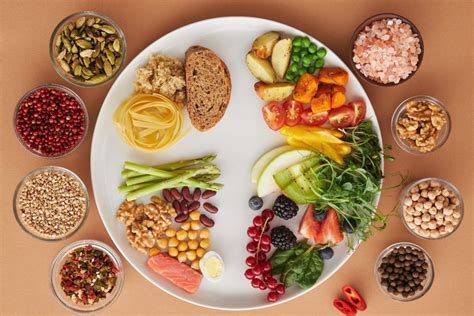
Your workout split is only as effective as your recovery. Prioritize adequate sleep (7-9 hours), consume a nutrient-dense diet rich in protein, and manage stress. Without proper recovery, even the best split will fall short.

Conclusion: A Dynamic Approach to Training
Optimizing your workout split is not a one-time decision but a dynamic process that evolves with your goals, body, and lifestyle. By understanding the principles behind different splits and diligently applying progressive overload, smart exercise selection, and prioritizing recovery, you can create a training regimen that consistently propels you towards peak strength and unparalleled performance gains. Experiment, listen to your body, and don’t be afraid to adjust your split as you progress and your needs change.