





What advanced progressive overload techniques maximize strength & hypertrophy?
The Evolution of Progressive Overload: Beyond Basic Progression
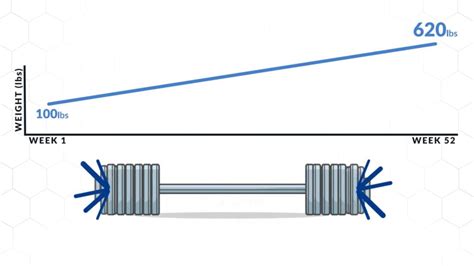
Progressive overload is the fundamental principle for continuous muscle growth and strength gains. At its core, it means consistently increasing the demands placed on the musculature over time. For beginners, this often translates to simply adding more weight to the bar or increasing reps within a set. However, as lifters advance, these linear progressions become harder to sustain. To break through plateaus and unlock new levels of strength and hypertrophy, a more nuanced and strategic approach to progressive overload is required.
Advanced techniques go beyond merely increasing load. They involve manipulating variables like volume, intensity, frequency, tempo, and rest periods in sophisticated ways to challenge the muscles in new capacities. Understanding and implementing these methods can be the game-changer for experienced lifters looking to maximize their physical development.
Key Advanced Progressive Overload Techniques for Superior Gains
1. Double Progression
While often seen as a foundational method, double progression becomes more strategic for advanced lifters. Instead of just adding weight, you aim to first increase reps within a set range (e.g., 8-12 reps) with a given weight. Once you can hit the upper end of that rep range for all sets, you then increase the weight and drop back to the lower end of the rep range, repeating the cycle. This ensures consistent, controlled progression for both volume and intensity over time.
2. Rep Range Manipulation & Undulating Periodization
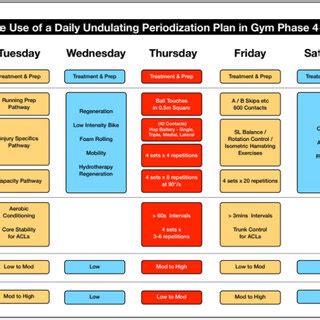
Instead of sticking to a single rep range (e.g., 8-12 for hypertrophy), advanced lifters benefit from rotating through various rep schemes. Undulating Periodization involves frequently changing rep ranges and loads, even within the same week. For example, one day might focus on heavy sets of 3-5 reps for strength, another on moderate 8-12 reps for hypertrophy, and a third on higher 15-20 reps for endurance and metabolic stress. This varied stimulus challenges different muscle fibers, enhances various adaptations, and prevents the body from fully adapting to one type of stress.
3. Drop Sets
Drop sets are an intensity technique designed to push muscles beyond typical failure. After completing a set to muscular failure with a certain weight, you immediately reduce the weight (drop it) by 20-50% and continue for as many reps as possible, often repeating this process for two or more drops. This floods the muscle with metabolic byproducts, recruits a greater number of muscle fibers, and extends the time under tension, making it highly effective for hypertrophy.

4. Rest-Pause Training
Rest-pause training allows you to accumulate more high-quality reps with a heavier weight than a traditional straight set. You perform a set to failure (or near failure), rack the weight, rest for a very short period (10-20 seconds), and then perform a few more reps. This can be repeated multiple times within a single ‘set’. This method extends the working set, increases overall volume with heavy loads, and is excellent for both strength and hypertrophy by maximizing motor unit recruitment.
5. Myo-Reps & Cluster Sets
- Myo-Reps: Similar to rest-pause but often with lighter weights and higher reps. You perform an initial activation set to near failure, then take very short, controlled rest periods (e.g., 5-15 seconds) and perform small mini-sets (e.g., 1-5 reps) until you can no longer complete the target reps. This creates an intense, prolonged muscle stimulus with minimal fatigue accumulation between mini-sets.
- Cluster Sets: Involve breaking down a single set into several mini-sets with short rest periods (e.g., 10-30 seconds) in between. For instance, instead of 1×10, you might do 2×5 with 20 seconds rest. This allows you to lift heavier weights for a given total number of reps, or perform more reps with a given weight, thereby enhancing power, strength, and hypertrophy by maintaining higher force output throughout the set.

6. Forced Reps and Partials
- Forced Reps: Performed with a spotter’s assistance, forced reps allow you to extend a set beyond voluntary muscular failure. Once you can no longer complete a rep on your own, a spotter provides just enough assistance to help you complete 1-3 additional repetitions. This technique maximally stresses the muscle and can be a potent hypertrophy stimulus, though it should be used sparingly due to its high recovery demands.
- Partials: Involve performing repetitions through only a portion of the full range of motion, typically the strongest part. This allows you to handle supramaximal loads or accumulate more work in a specific range, helping to overcome sticking points and build incredible strength in particular positions.

7. Tempo Training & Time Under Tension (TUT)
Tempo training involves consciously controlling the speed of each phase of a lift (eccentric, pause, concentric, pause). A common tempo might be 3-1-1-0 (3 seconds lowering, 1-second pause at bottom, 1-second lifting, 0-second pause at top). Manipulating tempo directly impacts time under tension, which is a key driver for hypertrophy. Slower eccentrics (lowering phase) can create more micro-trauma, while controlled movements enhance mind-muscle connection and stability, allowing for greater muscle activation and mechanical tension.
Implementing Advanced Techniques Wisely
While these advanced techniques offer powerful avenues for progression, they also place greater demands on the body. It’s crucial to:
- Prioritize Form: Never compromise technique for intensity. Poor form with advanced methods significantly increases injury risk.
- Manage Volume & Frequency: These techniques are potent. Don’t try to incorporate too many at once, or in every workout. Use them strategically as part of a well-designed program.
- Focus on Recovery: Adequate sleep, nutrition, and stress management are even more critical when pushing your body with advanced progressive overload.
- Listen to Your Body: Overtraining is a real concern. If you experience persistent fatigue, decreased performance, or joint pain, dial back the intensity.
Conclusion
For the dedicated lifter, moving beyond simple weight and rep increases is essential for continued progress. Advanced progressive overload techniques provide a diverse toolkit to continually challenge muscles, stimulate new growth pathways, and enhance both strength and hypertrophy. By strategically incorporating methods like drop sets, rest-pause, cluster sets, and periodized rep schemes, you can break through plateaus and usher in a new era of gains, transforming your physique and performance.