





Optimize workout split for peak strength & lean mass gains?

The Foundation of Progress: Why Your Workout Split Matters
To truly unlock your potential for peak strength and substantial lean mass gains, a well-structured workout split is not just beneficial—it’s essential. The way you organize your training sessions throughout the week dictates muscle recovery, training frequency, and your ability to apply progressive overload, all critical factors in muscle growth (hypertrophy) and strength development. An optimized split ensures you hit each muscle group with adequate volume and intensity, allowing for sufficient recovery before the next session, preventing overtraining, and maximizing your body’s adaptive response.

Understanding Different Workout Split Methodologies
Various workout splits cater to different goals, experience levels, and time commitments. Choosing the right one is paramount for consistent progress:
- Full Body Split: Training all major muscle groups in each session, typically 2-4 times a week. Ideal for beginners and those looking for high frequency, allowing for rapid skill acquisition and muscle stimulation.
- Upper/Lower Split: Dividing the body into upper and lower body workouts, often performed 2 times each per week (4 total sessions). Offers a good balance of frequency and specific volume for each muscle group.
- Push/Pull/Legs (PPL) Split: A popular split where you group exercises by movement pattern: Push (chest, shoulders, triceps), Pull (back, biceps), and Legs. Typically performed 2 times a week for a 6-day training schedule, or once for a 3-day schedule. Allows high volume per muscle group per session.
- Bro Split (Body Part Split): Dedicating each session to one or two muscle groups (e.g., Chest Day, Back Day, Leg Day). While popular among bodybuilders, its lower frequency per muscle group might not be optimal for natural lifters focused purely on strength and mass gains, especially for beginners.
Key Principles for Maximizing Strength and Mass
Regardless of the split you choose, several universal principles must be integrated to maximize your results:
- Progressive Overload: Continuously challenge your muscles by increasing weight, reps, sets, decreasing rest, or improving form. This is the primary driver of strength and hypertrophy.
- Adequate Volume & Intensity: Ensure each muscle group receives sufficient sets and reps (volume) at a challenging load (intensity) within your training week. For hypertrophy, 10-20 working sets per muscle group per week is a common guideline.
- Proper Recovery: Muscle growth happens outside the gym. Prioritize sleep (7-9 hours), nutrition (sufficient protein, carbs, and healthy fats), and active recovery to allow your muscles to repair and grow stronger.
- Consistency: The best program is the one you can stick to long-term. Irregular training yields irregular results.
- Periodization: Varying your training over time (e.g., alternating between phases of higher volume/lower intensity and lower volume/higher intensity) can help prevent plateaus and keep your body adapting.

Tailoring Your Split to Your Experience and Goals
Your ideal workout split isn’t static; it evolves with your training age and specific objectives:
- Beginners: Full-body splits (3x/week) are often superior. They allow for frequent practice of fundamental movements, build a solid strength base, and provide high muscle protein synthesis frequency.
- Intermediate Lifters: As you progress, an Upper/Lower (4x/week) or PPL (3-6x/week) split can allow for more dedicated volume per muscle group while maintaining good frequency. This is where many lifters see significant gains in both strength and size.
- Advanced Lifters: Highly individualized splits, often incorporating undulating or block periodization, may be necessary. Some advanced lifters might benefit from a PPL twice a week (6 days) or even specialized body part splits if their recovery capacity is high enough.
- Time Constraints: If you can only train 2-3 days a week, a full-body split is usually the most efficient. For 4-5 days, Upper/Lower or PPL are excellent choices.
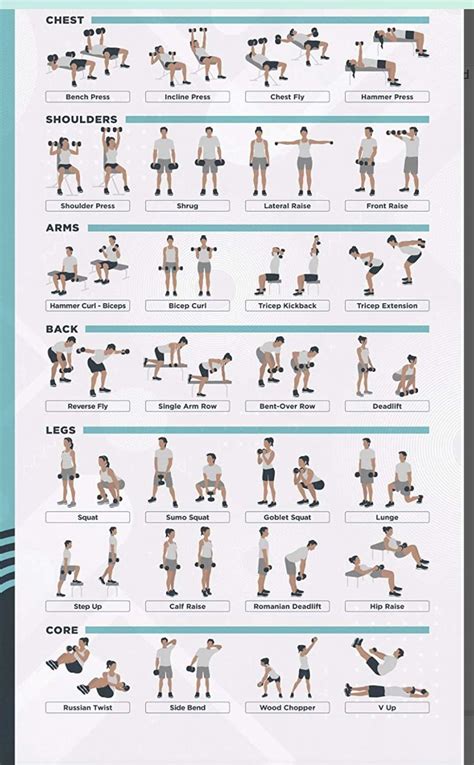
Sample Optimized Workout Splits for Strength & Lean Mass
Here are a few examples to illustrate how these principles translate into actionable splits:
3-Day Full Body Split (Beginner/Time-Constrained)
- Day 1 (Full Body A): Squats, Bench Press, Rows, Overhead Press, Bicep Curls, Tricep Extensions.
- Day 2 (Rest)
- Day 3 (Full Body B): Deadlifts, Incline Dumbbell Press, Pull-ups, Lunges, Lateral Raises, Calf Raises.
- Day 4 (Rest)
- Day 5 (Full Body C): Front Squats, Military Press, Barbell Rows, Dips, Glute Ham Raises, Ab work.
- Day 6 & 7 (Rest)
4-Day Upper/Lower Split (Intermediate)
- Day 1 (Upper A): Bench Press, Barbell Rows, Overhead Press, Pull-ups, Dumbbell Curls, Tricep Pushdowns.
- Day 2 (Lower A): Squats, Romanian Deadlifts, Leg Press, Leg Curls, Calf Raises, Abs.
- Day 3 (Rest)
- Day 4 (Upper B): Incline Dumbbell Press, T-Bar Rows, Seated Dumbbell Press, Face Pulls, Hammer Curls, Overhead Extensions.
- Day 5 (Lower B): Deadlifts, Front Squats, Glute Bridges, Leg Extensions, Calf Raises, Abs.
- Day 6 & 7 (Rest)

6-Day Push/Pull/Legs (PPL) Split (Intermediate/Advanced)
- Day 1 (Push): Barbell Bench Press, Overhead Press, Incline Dumbbell Press, Tricep Pushdowns, Lateral Raises.
- Day 2 (Pull): Deadlifts, Barbell Rows, Pull-ups, Face Pulls, Bicep Curls.
- Day 3 (Legs): Squats, Leg Press, Romanian Deadlifts, Leg Extensions, Leg Curls, Calf Raises.
- Day 4 (Push): Incline Barbell Press, Seated Dumbbell Press, Dips, Overhead Tricep Extension, Front Raises.
- Day 5 (Pull): T-Bar Rows, Lat Pulldowns, Seated Cable Rows, Hammer Curls, Reverse Flyes.
- Day 6 (Legs): Front Squats, Lunges, Glute Ham Raises, Sissy Squats, Seated Calf Raises, Abs.
- Day 7 (Rest)
Conclusion: Consistency and Adaptation are Key
Optimizing your workout split is an ongoing process. Start with a split that aligns with your current experience level and time availability, then meticulously track your progress. Pay attention to how your body responds: Are you recovering adequately? Are your lifts improving consistently? Don’t be afraid to experiment and adapt your split as your strength, recovery capacity, and goals evolve. With the right strategy, unwavering consistency, and a commitment to progressive overload, peak strength and lean mass gains are well within your reach.