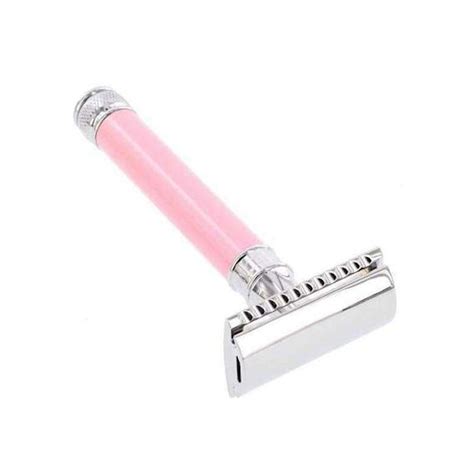





How to prevent ingrown hairs for a flawlessly smooth, peak performance shave?
For many, shaving is a daily ritual, but for some, it’s a battle against an unwelcome adversary: the ingrown hair. These pesky bumps can mar an otherwise smooth complexion, causing irritation, redness, and even pain. Preventing them is key to achieving that coveted, peak performance shave – one that leaves your skin feeling as good as it looks. This guide will walk you through the essential steps, from preparation to post-shave care, ensuring your routine leads to consistently flawless results.
Understanding Ingrown Hairs
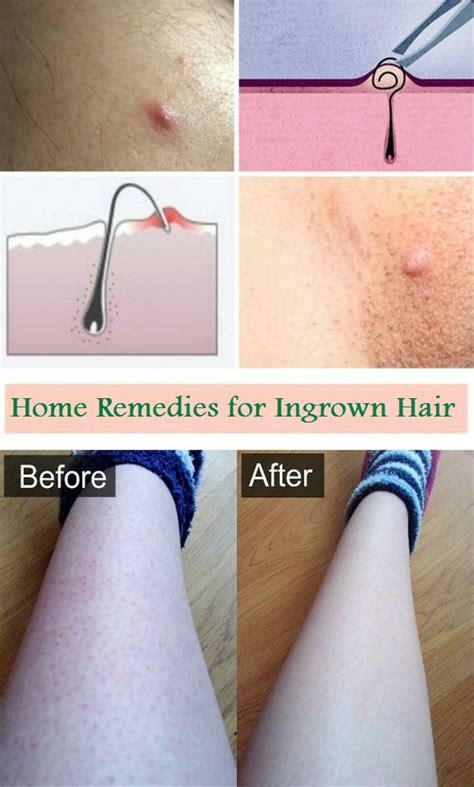
Before we dive into prevention, it’s crucial to understand what ingrown hairs are and why they occur. An ingrown hair happens when a hair that has been shaved or plucked curls back into the skin and grows inwards. This often triggers a foreign body reaction, leading to inflammation, redness, and a bump that can sometimes become infected. They are particularly common in areas with coarse or curly hair and among individuals who shave too closely or against the grain.
Pre-Shave Preparation: The Foundation of a Smooth Shave
The secret to preventing ingrown hairs often begins before the blade even touches your skin. Proper preparation softens the hair, opens pores, and creates an optimal surface for shaving.
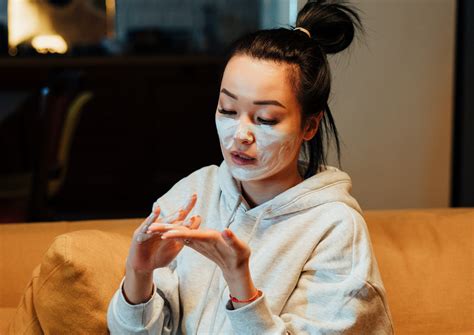
- Exfoliate Gently: A day or two before shaving, use a mild facial scrub or an exfoliating brush to remove dead skin cells. This helps to free any hairs trapped under the surface and allows for a closer, cleaner shave.
- Warm Water & Steam: Wash your face with warm water or apply a warm, damp towel for a few minutes. Heat and moisture soften the hair follicles, making them easier to cut and reducing resistance.
- Apply Pre-Shave Oil: A good pre-shave oil creates a protective barrier between your skin and the blade, improving glide and further softening the hairs. It’s an often-overlooked step that can make a significant difference.

The Shaving Technique: Precision and Care
Your shaving method plays a pivotal role in preventing ingrown hairs. Hasty or incorrect techniques are prime culprits.
- Use a Sharp Blade: A dull blade drags and pulls at the hair, leading to uneven cuts and a higher chance of hairs curling back. Change your razor blade every 5-7 shaves, or at the first sign of tugging.
- Go With the Grain: Always shave in the direction your hair grows. Shaving against the grain provides a closer shave but significantly increases the risk of ingrown hairs by cutting the hair below the skin’s surface at a sharp angle. For sensitive areas, a single pass with the grain might be enough.
- Minimal Passes: Try to achieve a clean shave with as few passes as possible. Each pass can irritate the skin and increase the likelihood of ingrown hairs.
- Rinse Your Blade Often: Clogged blades are ineffective. Rinse your razor under hot water after every couple of strokes to clear away hair and shaving cream, maintaining optimal performance.

Post-Shave Rituals: Soothe and Protect
What you do immediately after shaving is just as important as the preparation.
- Rinse with Cold Water: After you’ve finished shaving, splash your face with cold water. This helps to close your pores, soothe the skin, and reduce any immediate irritation.
- Apply an Aftershave Balm: Opt for an alcohol-free aftershave balm or lotion. These products hydrate, soothe, and often contain ingredients like aloe vera or witch hazel that reduce inflammation and prevent bumps. Avoid harsh, alcohol-based aftershaves, which can dry out and irritate the skin.
- Moisturize Regularly: Keep your skin well-hydrated daily. Moisturised skin is more supple, allowing hairs to grow out freely rather than becoming trapped.

Ongoing Prevention: Lifestyle and Product Choices
Beyond the shave itself, consistent habits and smart product choices can make a significant difference.
- Regular Exfoliation: Continue to exfoliate your skin 2-3 times a week, even on non-shaving days. This helps to keep pores clear and prevents new hairs from getting trapped.
- Specialized Ingrown Hair Products: Consider incorporating products specifically designed to prevent ingrown hairs. These often contain salicylic acid or glycolic acid, which gently exfoliate and help keep follicles clear.
- Avoid Tight Clothing: If you experience ingrown hairs on your body (e.g., neck, chest), wearing tight clothing can exacerbate the problem by causing friction and trapping hairs.
When Ingrown Hairs Appear: Gentle Solutions
Even with the best prevention, an occasional ingrown hair might still surface. The key is to handle it gently to avoid further irritation or infection.
- Don’t Pick or Squeeze: Resist the urge to pick at or squeeze an ingrown hair, as this can push the hair deeper, cause infection, and lead to scarring.
- Warm Compress: Apply a warm, damp compress to the area for 10-15 minutes several times a day. This can help to soften the skin and encourage the hair to emerge naturally.
- Gentle Exfoliation: Once the hair begins to show, a very gentle exfoliation with a soft brush or washcloth might help it to break free.
Conclusion
Achieving a flawlessly smooth, ingrown hair-free shave is not an elusive dream but a tangible reality with the right approach. By understanding the causes, committing to a meticulous pre-shave ritual, adopting precise shaving techniques, and following through with diligent post-shave care and ongoing prevention, you can transform your grooming routine. Embrace these practices, and enjoy the confidence that comes with consistently healthy, smooth, and peak-performing skin.