




Peak performance shave: How to eliminate ingrown hairs & razor burn?

Achieving a smooth, irritation-free shave can often feel like a battle against ingrown hairs and razor burn. These common adversaries not only mar the skin’s appearance but can also cause discomfort and frustration. Fortunately, with the right approach and a few mindful adjustments to your grooming routine, you can transform your shaving experience from a dreaded chore into a ritual of peak performance, leaving your skin feeling and looking its best.
Understanding Ingrown Hairs and Razor Burn
Before we conquer these common shaving woes, it’s essential to understand what causes them. Ingrown hairs occur when a shaved hair curls back into the skin and grows inwards, leading to red, itchy bumps, sometimes with a pustule. This is particularly common in individuals with curly or coarse hair. Razor burn, on the other hand, is an irritation of the skin caused by dull blades, shaving too aggressively, or shaving on dry skin, resulting in redness, tenderness, and sometimes small bumps or a stinging sensation.

The Essential Pre-Shave Preparation
The foundation of a great shave lies in thorough preparation. Don’t rush this crucial step; it sets the stage for a comfortable and effective shave.
1. Exfoliate Gently
Prior to shaving, use a gentle facial scrub or an exfoliating brush to remove dead skin cells and lift hairs away from the skin. This helps prevent hairs from getting trapped under the surface and reduces the risk of ingrown hairs.
2. Warm Water & Steam
Shave after a warm shower or by applying a hot, damp towel to your face for a few minutes. The warm water and steam open up pores and soften both your skin and beard hairs, making them easier to cut and reducing resistance against the blade.
3. Apply Pre-Shave Oil
A good quality pre-shave oil creates a protective barrier between your skin and the razor blade. It lubricates the skin, allowing the razor to glide smoothly, and further softens the hair, minimizing friction and irritation.

Mastering Your Shaving Technique
Once your skin is prepped, the actual shaving process demands attention to detail and a mindful approach.
1. Choose the Right Razor and Blade
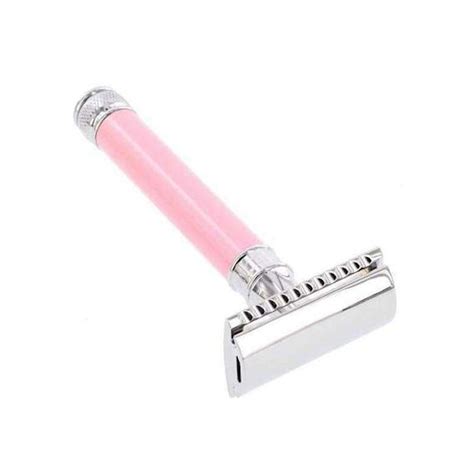
Invest in a sharp, high-quality razor. Dull blades are a primary culprit for razor burn as they drag and pull at the hair, rather than cutting it cleanly. For those prone to ingrown hairs, a single-blade safety razor can often be more beneficial than multi-blade cartridges, as it cuts the hair at skin level rather than below it.
2. Lather Up with Quality Shaving Cream/Gel
Apply a rich, hydrating shaving cream or gel. Lather it generously and allow it to sit on your skin for a minute or two. This further softens the hair and creates a protective cushion.
3. Shave With the Grain
Always shave in the direction of hair growth (with the grain) on the first pass. This is the golden rule for preventing ingrown hairs and razor burn. Shaving against the grain might feel closer, but it significantly increases irritation. If a closer shave is desired, you can do a second pass across the grain, but never against it if you’re sensitive.
4. Light Pressure and Short Strokes
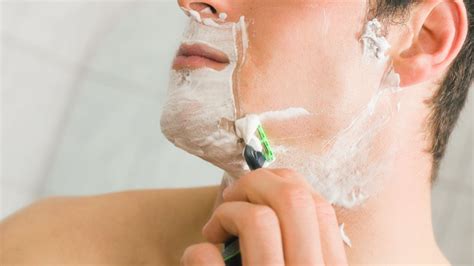
Let the razor do the work. Apply minimal pressure and use short, deliberate strokes. Rinsing your blade frequently under hot water prevents it from clogging with hair and cream, ensuring an efficient cut.
The Crucial Post-Shave Ritual
Your work isn’t done once the last hair is cut. Post-shave care is vital for soothing the skin and preventing issues.
1. Rinse with Cold Water
After shaving, rinse your face with cold water. This helps to close pores and tighten the skin, reducing inflammation and the likelihood of irritation.
2. Apply an Alcohol-Free Aftershave Balm
Skip alcohol-based aftershaves, which can dry out and irritate sensitive skin. Instead, opt for a soothing, alcohol-free balm or lotion containing ingredients like aloe vera, witch hazel, or chamomile to calm and hydrate the skin.
3. Moisturize Regularly
Keep your skin well-hydrated daily, not just after shaving. A good moisturizer helps maintain skin elasticity and health, making it less prone to irritation.

Long-Term Prevention and Maintenance
Consistency is key to keeping ingrown hairs and razor burn at bay permanently.
- Replace Blades Regularly: A dull blade is your worst enemy. Replace cartridge blades every 5-7 shaves or when you notice any tugging. For safety razors, replace blades after 2-3 shaves.
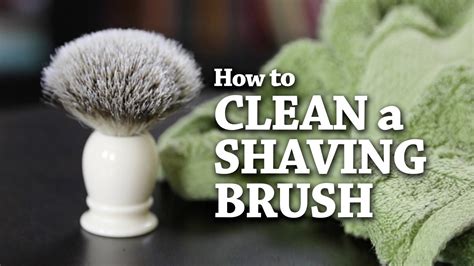
- Keep Tools Clean: Always rinse your razor thoroughly after each use and store it in a clean, dry place to prevent bacterial growth.
- Consider Shaving Frequency: If you’re particularly prone to irritation, try shaving less frequently, perhaps every other day, to give your skin time to recover.
- Explore Alternatives: For some, even the most meticulous wet shaving routine can cause issues. Consider electric razors or even beard trimming as alternatives, which cut hair without going below the skin surface, significantly reducing ingrown hairs.
Conclusion
Eliminating ingrown hairs and razor burn isn’t about finding a magic bullet, but rather adopting a holistic, mindful approach to your shaving routine. From meticulous preparation and proper technique to soothing post-shave care and consistent maintenance, each step plays a vital role. By embracing these practices, you’ll not only achieve a consistently smooth and comfortable shave but also cultivate healthier, happier skin in the long run. Say goodbye to irritation and hello to peak performance grooming.