




How can men naturally boost testosterone for peak energy and vitality?

Testosterone, the primary male sex hormone, plays a crucial role in far more than just libido. It’s a cornerstone of men’s overall health, influencing energy levels, muscle mass, bone density, mood, and cognitive function. As men age, testosterone levels can naturally decline, but various lifestyle factors can also contribute to suboptimal levels, leading to symptoms like fatigue, decreased muscle mass, low sex drive, and reduced vitality. The good news is that many natural, evidence-based strategies can help men boost their testosterone, leading to a noticeable improvement in their quality of life.
The Foundations of Testosterone Production
Optimal testosterone levels begin with addressing fundamental aspects of health. These foundational elements create the ideal environment for your body to produce hormones effectively.

Prioritize Quality Sleep
Sleep is a powerful hormone regulator. Studies show that insufficient sleep significantly lowers testosterone levels. Aim for 7-9 hours of high-quality sleep per night. Establish a consistent sleep schedule, create a dark, cool, and quiet bedroom environment, and avoid screens before bed to enhance sleep quality and support natural hormone production.
Manage Stress Effectively
Chronic stress elevates cortisol, the “stress hormone.” High cortisol levels can suppress testosterone production. Incorporate stress-reducing practices into your daily routine, such as meditation, deep breathing exercises, yoga, spending time in nature, or engaging in hobbies you enjoy. Finding healthy outlets for stress is vital for hormonal balance.
Nutrition: Fueling Your Hormones
What you eat directly impacts your body’s ability to produce testosterone. A balanced diet rich in specific nutrients is essential.

Embrace Healthy Fats
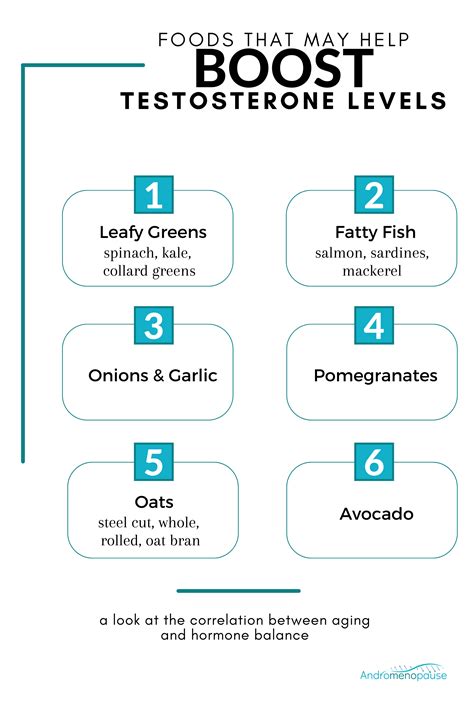
Dietary fats, particularly monounsaturated and saturated fats, are crucial for testosterone synthesis. Cholesterol, a precursor to testosterone, comes from these fats. Incorporate avocados, nuts, seeds, olive oil, and fatty fish (like salmon) into your diet. Don’t fear healthy fats; they are your hormonal friends.
Adequate Protein Intake
Protein is essential for muscle repair and growth, which in turn supports testosterone levels. Ensure each meal includes a good source of lean protein such as chicken, turkey, lean beef, eggs, and legumes. Aim for about 0.7-1 gram of protein per pound of body weight, depending on your activity level.
Focus on Micronutrients: Zinc, Vitamin D, Magnesium
- Zinc: Vital for testosterone production and sperm health. Good sources include oysters, red meat, poultry, beans, and nuts.
- Vitamin D: Often called the “sunshine vitamin,” it functions as a steroid hormone in the body and is strongly linked to testosterone levels. Get regular sun exposure or consider supplementation, especially if you live in higher latitudes.
- Magnesium: Plays a role in over 300 biochemical reactions, including those involved in testosterone synthesis. Found in leafy greens, nuts, seeds, and whole grains.
Exercise for Hormonal Health
Physical activity, particularly certain types of exercise, can be a powerful stimulus for testosterone production.

Prioritize Strength Training
Lifting weights and engaging in resistance training are highly effective for boosting testosterone. Focus on compound movements (squats, deadlifts, bench presses, rows) that engage multiple muscle groups. Aim for 3-4 sessions per week, with adequate rest between workouts to allow for recovery and hormone synthesis.
Incorporate High-Intensity Interval Training (HIIT)
Short bursts of intense exercise followed by brief recovery periods have been shown to temporarily increase testosterone. HIIT can also improve overall fitness and reduce body fat, both beneficial for hormone health. Incorporate HIIT into your routine 1-2 times a week.
Avoid Overtraining
While exercise is good, excessive or prolonged intense exercise without adequate recovery can elevate cortisol and actually suppress testosterone. Listen to your body and ensure you’re incorporating rest days and proper nutrition to support recovery.
Lifestyle Factors and Environmental Considerations
Beyond diet and exercise, several other lifestyle choices and environmental factors can impact your testosterone levels.
![Live Better: Men's Health Tips [Infographic] | Bell Wellness Center ...](/images/aHR0cHM6Ly90czQubW0uYmluZy5uZXQvdGg/aWQ9T0lQLnN2UC0xOE0tQXVoWHVNRXUwQnFndkFIYUluJnBpZD0xNS4x.webp)
Limit Alcohol Consumption
Excessive alcohol intake can disrupt the endocrine system and directly impair testosterone production. Moderation is key; consider reducing your alcohol consumption, especially heavy drinking, to support hormonal balance.
Maintain a Healthy Body Weight
Obesity, particularly abdominal fat, is strongly linked to lower testosterone levels. Fat cells convert testosterone into estrogen, further reducing available testosterone. Losing excess body fat through a combination of diet and exercise is one of the most effective ways to boost testosterone naturally.
Be Mindful of Endocrine Disruptors
Certain chemicals found in plastics (BPA, phthalates), pesticides, and personal care products can mimic hormones or interfere with their production. Opt for glass or stainless steel containers, choose organic produce when possible, and select natural personal care products to minimize exposure to these potential disruptors.
Conclusion
Boosting testosterone naturally is not about quick fixes; it’s about adopting a holistic approach to health. By consistently prioritizing quality sleep, managing stress, consuming a nutrient-dense diet, engaging in smart exercise, and being mindful of lifestyle choices, men can significantly enhance their testosterone levels. This comprehensive strategy not only supports peak energy and vitality but also lays the groundwork for improved overall well-being, leading to a more energetic, vibrant, and healthier life.