Elite shave: how to prevent razor burn for peak skin performance?
For many, shaving is a daily ritual, but it often comes with an unwelcome guest: razor burn. This uncomfortable irritation, characterized by redness, bumps, and a burning sensation, can derail your pursuit of an elite, smooth complexion. Preventing razor burn isn’t just about avoiding discomfort; it’s about achieving peak skin performance, ensuring your face looks and feels its best. With the right approach, you can transform your shave from a chore into a luxurious experience that leaves your skin looking impeccably groomed and feeling fantastic.
Understanding Razor Burn: The Enemy of Smooth Skin
Razor burn occurs when the razor blade irritates the skin, often by pulling hairs or scraping away too much of the top layer of skin. This can lead to inflammation, microscopic cuts, and ingrown hairs, where cut hairs curl back into the skin instead of growing outward. Common culprits include dull blades, dry shaving, applying too much pressure, or shaving against the grain on sensitive skin. Identifying these factors is the first step toward building an effective prevention strategy.
The Pre-Shave Ritual: Prepare for Perfection
A successful, irritation-free shave begins long before the blade touches your face. Proper preparation is paramount. Start by washing your face with warm water and a mild cleanser to remove dirt, oil, and dead skin cells. Warm water helps to soften the hair follicles and open up pores, making the hair easier to cut. For an extra layer of protection and to further soften whiskers, consider using a pre-shave oil. This creates a slick barrier between your skin and the blade, reducing friction and drag.

Master the Shave: Technique and Tools
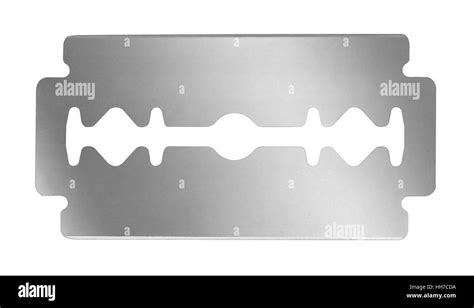
Your shaving technique and the tools you use are critical in preventing razor burn. Always use a sharp, clean razor blade. Dull blades require more pressure, leading to tugging and irritation. Replace disposable razors frequently, and if you use a cartridge razor, swap out the head after 5-7 uses. Apply a rich, lubricating shave cream or gel, allowing it to sit for a minute or two to further soften the hair. Shave with the grain (in the direction your hair grows) first. If a closer shave is desired, reapply cream and then shave across the grain. Avoid shaving against the grain, especially if you have sensitive skin or are prone to ingrown hairs. Use light, short strokes and avoid pressing too hard. Let the razor do the work.
Post-Shave Perfection: Calm, Hydrate, Protect
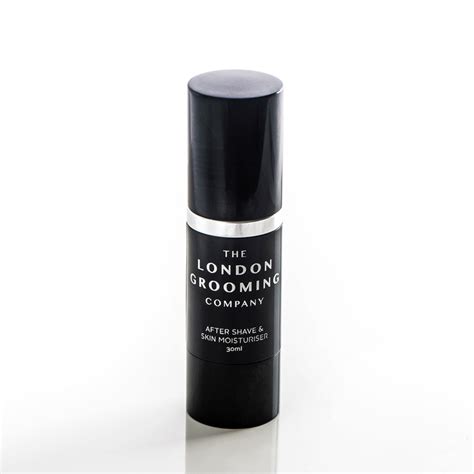
The steps you take immediately after shaving are just as important as the preparation. Rinse your face thoroughly with cool water to close pores and soothe the skin. Gently pat your face dry with a clean towel; avoid harsh rubbing. Follow up with an alcohol-free aftershave balm or lotion that contains soothing ingredients like aloe vera, witch hazel, or chamomile. These ingredients help to reduce redness, calm irritation, and restore your skin’s natural moisture barrier. Consistent hydration is key to maintaining healthy, resilient skin that is less susceptible to irritation.
Long-Term Strategies for Peak Skin Health
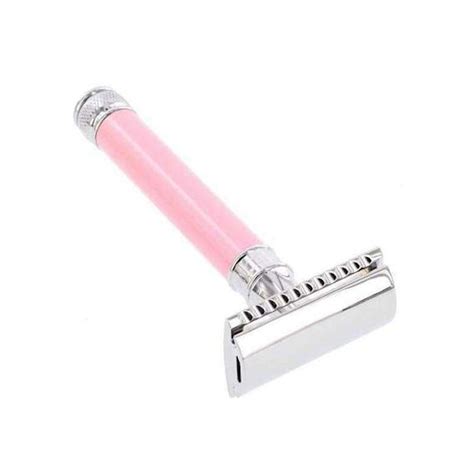
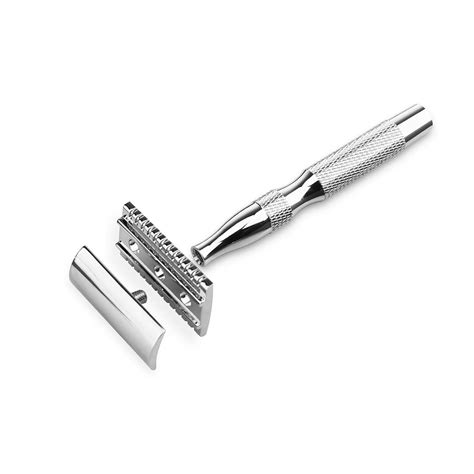
Preventing razor burn isn’t a one-time fix; it’s an ongoing commitment to your skin’s health. Exfoliate your skin 2-3 times a week (but not immediately before or after shaving) to prevent dead skin cells from clogging pores and trapping hairs, which can lead to ingrown hairs. Ensure you are consistently moisturizing your skin, even on non-shaving days, to keep it supple and resilient. Consider investing in a quality shaving brush to help lift hairs and create a rich lather, further enhancing your shave experience. If you find one type of razor consistently irritates your skin, experiment with alternatives like a safety razor, electric shaver, or even a straight razor (if you’re experienced).
When Razor Burn Strikes: Gentle Remedies
Even with the best precautions, occasional razor burn can happen. When it does, treat your skin gently. Apply a cool compress to reduce inflammation. Over-the-counter hydrocortisone cream can provide relief for severe redness and itching, but use it sparingly and as directed. Aloe vera gel is another excellent natural remedy known for its soothing and healing properties. Avoid shaving the irritated area until it has fully healed. Patience and gentle care are essential for recovery.
Conclusion: Embrace the Elite Shave
Achieving an elite shave, free from the discomfort of razor burn, is entirely within reach. By adopting a meticulous pre-shave routine, mastering your shaving technique with the right tools, and providing diligent post-shave care, you can ensure your skin performs at its peak. This holistic approach not only prevents irritation but also promotes healthier, smoother skin overall, allowing you to face the world with confidence and comfort.