




What’s the optimal shave routine to eliminate razor burn and ingrowns for peak skin?

Unlock the Secret to a Perfect Shave: Banish Burn and Bumps
For many, shaving is a daily ritual fraught with irritation, razor burn, and stubborn ingrown hairs. It doesn’t have to be. Transforming your shave from a chore into a luxurious experience that leaves your skin smooth, healthy, and radiant is entirely achievable with a strategic approach. This guide will walk you through the optimal shave routine designed to eliminate common complaints and elevate your skin to its peak condition.

Phase 1: The All-Important Pre-Shave Preparation
The foundation of a great shave isn’t the razor; it’s the canvas you’re working on. Proper preparation softens hairs, opens pores, and creates a protective barrier, drastically reducing friction and irritation.
1. Warm Shower or Hot Towel
Start by showering or applying a warm, damp towel to your face for a few minutes. The heat and steam soften your hair follicles, making them easier to cut and less likely to tug or pull. This also helps to gently open your pores.
2. Gentle Exfoliation
Before shaving, use a mild facial scrub or an exfoliating brush to remove dead skin cells and lift any trapped hairs. This step is crucial for preventing ingrown hairs, as it clears the path for the razor and ensures a closer, smoother shave. Do this 2-3 times a week, not necessarily every single shave if you shave daily.
3. Pre-Shave Oil
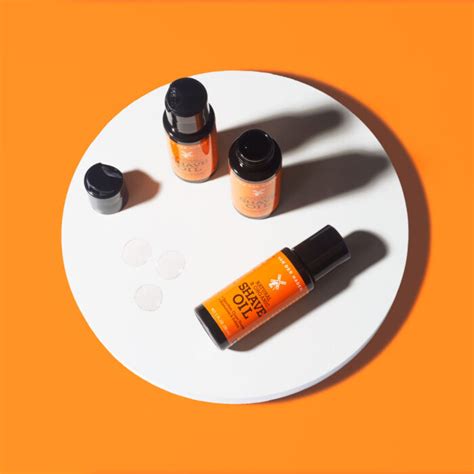
Apply a few drops of high-quality pre-shave oil. This creates a slick layer on your skin, providing an extra cushion between the blade and your face. It helps the razor glide effortlessly, reducing nicks, cuts, and irritation.
Phase 2: The Shave — Technique Matters Most
With your skin primed, the actual shave becomes a much smoother process. The right tools and technique are paramount here.
1. Use a Sharp, Clean Razor
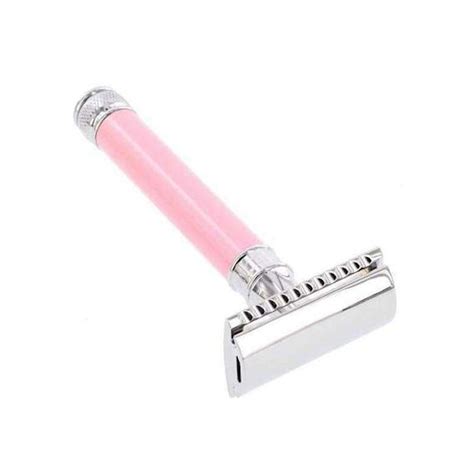
This cannot be stressed enough. A dull blade is the primary culprit behind razor burn and tugging. Whether you use a multi-blade cartridge, a safety razor, or a straight razor, ensure your blade is fresh and sharp. Change cartridge blades every 5-7 shaves, and safety razor blades every 2-3 shaves.

2. Quality Shaving Cream or Gel
Ditch the aerosol foam. Invest in a rich, lubricating shaving cream or gel, preferably one that can be lathered with a brush. Apply it generously to create a thick, protective lather that holds moisture and lifts the hairs.
3. Shave With the Grain, Not Against It
For the first pass, always shave in the direction your hair grows (with the grain). This minimizes irritation and razor burn. If you desire a closer shave, you can reapply lather and do a second pass across the grain, or very carefully against the grain if your skin tolerates it, but start with against the grain only once you’ve perfected the with-the-grain pass.
4. Light Pressure and Short Strokes
Let the razor do the work. Applying too much pressure is a surefire way to cause irritation and nicks. Use short, controlled strokes, rinsing the blade frequently under warm water to clear away hair and cream buildup.
Phase 3: The Essential Post-Shave Recovery
Your work isn’t done once the last hair is cut. Post-shave care is critical for calming the skin, preventing irritation, and fostering healing.
1. Rinse with Cold Water
After you’ve finished shaving, splash your face thoroughly with cold water. This helps to close your pores, soothe the skin, and reduce any redness or inflammation.
2. Apply an Alcohol-Free Aftershave Balm
Skip stinging, alcohol-based aftershaves which can dry out and irritate your skin. Instead, opt for a soothing, alcohol-free aftershave balm or lotion containing ingredients like aloe vera, witch hazel (non-alcohol), chamomile, or hyaluronic acid. These ingredients hydrate, calm, and protect the skin.
3. Moisturize Regularly
Even if your aftershave balm is moisturizing, a separate, non-comedogenic facial moisturizer can provide an extra layer of hydration and protection. Healthy, hydrated skin is less prone to irritation and ingrown hairs.

4. Ingrown Hair Treatment (If Needed)
If you’re particularly prone to ingrowns, consider using a targeted ingrown hair serum or pad containing salicylic acid or glycolic acid a few times a week, applied after your aftershave balm and before moisturizer. This helps to exfoliate and keep pores clear.
Consistency and Patience: The Final Ingredients
Achieving peak skin after shaving isn’t an overnight miracle; it’s a commitment to a consistent routine. Pay attention to how your skin reacts and adjust products or techniques as needed. Over time, your skin will adapt, and you’ll find yourself enjoying a consistently smooth, irritation-free complexion.
Embrace the Optimal Shave, Embrace Peak Skin
By diligently following this optimal shave routine – from meticulous preparation to precise technique and nurturing post-shave care – you can effectively eliminate razor burn and ingrown hairs. The result? Not just a clean shave, but healthier, smoother, and more resilient skin that truly looks and feels its best. Make these steps your daily ritual, and transform your shaving experience forever.