




What’s the optimal protein intake for men seeking peak muscle growth & recovery?

Unlocking Peak Performance: The Role of Protein for Men
For men dedicated to building muscle, improving strength, and accelerating recovery, protein isn’t just a nutrient—it’s the cornerstone of their dietary strategy. While the general population has standard recommendations, athletes and active men seeking peak performance often require a more tailored approach. Understanding the optimal protein intake isn’t about simply eating more; it’s about understanding the science behind muscle protein synthesis (MPS) and how to fuel your body effectively.
Why Protein Is Non-Negotiable for Muscle & Recovery
Protein is composed of amino acids, the building blocks of virtually all tissues in the body, including muscle. When you engage in resistance training, you create microscopic tears in your muscle fibers. Protein’s primary role is to repair these tears and rebuild the muscle stronger and larger—a process known as hypertrophy. Without adequate protein, recovery is stalled, and muscle growth is compromised, leading to slower progress and increased risk of overtraining.

Beyond the Standard: Defining Optimal Intake for Active Men
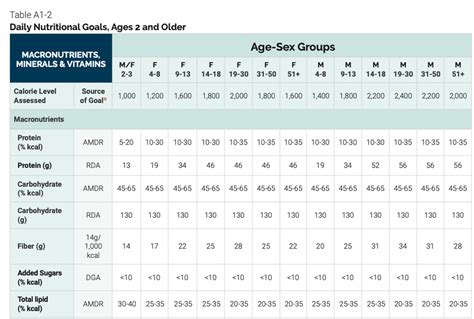
The Recommended Dietary Allowance (RDA) for protein is 0.8 grams per kilogram of body weight, designed to prevent deficiency for sedentary individuals. However, this is largely insufficient for men actively pursuing muscle gain and intense training. Research consistently shows that higher protein intakes are beneficial for maximizing MPS, preserving lean mass during caloric deficits, and improving satiety.
Key Factors Influencing Your Protein Needs
Several variables dictate your individual protein requirements:
- Training Intensity & Type: High-volume resistance training significantly increases protein turnover. Endurance athletes also have elevated needs due to protein oxidation during prolonged exercise.
- Body Composition Goals: If you’re in a caloric surplus aiming for muscle gain, protein supports hypertrophy. During a caloric deficit for fat loss, higher protein intake is crucial for preserving lean muscle mass.
- Age: Older men may require slightly more protein to combat anabolic resistance and maintain muscle mass.
- Overall Caloric Intake: If total calories are too low, protein may be used for energy instead of muscle repair, increasing the need for higher protein intake.
The Scientific Sweet Spot: Recommended Protein Ranges
For men seeking peak muscle growth and recovery, the scientific literature points towards a range higher than the general RDA. Most studies suggest an optimal intake between 1.6 to 2.2 grams of protein per kilogram of body weight (0.7 to 1.0 grams per pound of body weight) per day. Some elite athletes or individuals in severe caloric deficits might even benefit from slightly higher amounts, up to 2.5-3.0 g/kg, though this should be approached cautiously and ideally with professional guidance.
It’s important to calculate this based on your lean body mass rather than total body weight, especially for individuals with higher body fat percentages, to avoid overestimating needs.
Strategic Protein Timing and Distribution
Equally important to the total daily intake is how you distribute that protein throughout the day. Spreading your protein intake across 3-5 meals or snacks, aiming for 20-40 grams of high-quality protein per serving, helps sustain MPS and optimizes recovery. Key timing considerations include:
- Post-Workout: Consuming protein within a few hours after training (the ‘anabolic window’) can kickstart the repair process.
- Pre-Sleep: A slow-digesting protein like casein before bed can provide a steady supply of amino acids throughout the night, aiding overnight recovery.
Choosing High-Quality Protein Sources
Not all protein is created equal. Prioritize complete protein sources that provide all essential amino acids:
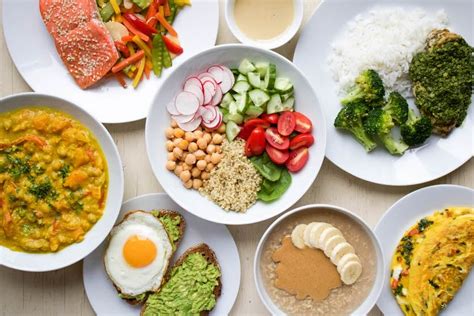
- Animal Sources: Lean meats (chicken, turkey, beef), fish (salmon, tuna), eggs, and dairy (milk, Greek yogurt, cottage cheese, whey protein).
- Plant Sources: While many plant proteins are incomplete, combining them or consuming specific complete plant proteins like soy, quinoa, or hemp seeds can also be effective. Protein powders (whey, casein, soy, pea) can be convenient supplements to meet daily targets.
Considerations and Potential Pitfalls
While protein is vital, remember that a balanced diet is key. Ensure adequate intake of carbohydrates for energy and healthy fats for hormonal function. For healthy individuals, concerns about high protein intake damaging kidneys are largely unfounded, but it’s always wise to ensure sufficient hydration and consult a healthcare professional if you have pre-existing kidney conditions.
Conclusion: Individualization is Key
The optimal protein intake for men seeking peak muscle growth and recovery generally falls within 1.6 to 2.2 grams per kilogram of body weight per day, distributed strategically throughout the day. However, this is a guideline, not a rigid rule. Pay attention to your body’s response, adjust based on your training load and goals, and consider consulting a registered dietitian or sports nutritionist to fine-tune your personalized protein strategy for maximum results.