




What’s the optimal daily protein for muscle, energy & recovery?
Protein is a foundational macronutrient, essential for virtually every function within the human body. Far from being just for bodybuilders, adequate protein intake is vital for anyone looking to maintain a healthy body, support an active lifestyle, and enhance overall well-being. But with so much conflicting information, determining the ‘optimal’ daily protein intake for muscle, energy, and recovery can seem like a complex puzzle.
The Building Blocks: Protein for Muscle Growth
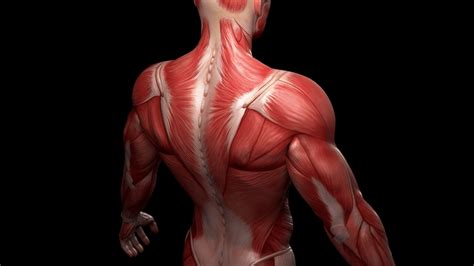
When it comes to building and repairing muscle tissue, protein is paramount. Muscles are largely made of protein, and intense exercise causes micro-tears in muscle fibers. Consuming sufficient protein provides the amino acids needed to repair these tears and synthesize new muscle proteins, a process known as muscle protein synthesis (MPS). This not only leads to muscle growth (hypertrophy) but also helps in maintaining existing muscle mass, which is particularly important as we age.
Fueling Performance: Protein for Energy
While carbohydrates and fats are the body’s primary energy sources, protein can also contribute to energy production, especially during prolonged exercise or when carbohydrate stores are low. More indirectly, protein aids in maintaining stable blood sugar levels, which can prevent energy crashes and support sustained energy throughout the day. It also promotes satiety, helping to manage appetite and maintain consistent energy by preventing overeating or excessive snacking on less nutritious foods.
Accelerating Recovery: Repair and Rebuild
Beyond muscle growth, protein plays a critical role in recovery. Post-exercise, the body enters a repair phase where damaged tissues need to be mended. A timely intake of protein provides the necessary building blocks to expedite this process, reducing muscle soreness (DOMS) and preparing muscles for the next workout. Adequate protein also supports the immune system, which can be temporarily suppressed after intense physical activity, further aiding overall recovery.

What’s the Optimal Daily Protein Intake?
The optimal daily protein intake isn’t a one-size-fits-all number; it varies significantly based on factors like activity level, age, and specific goals. However, general guidelines exist:
- Sedentary Adults: The Recommended Dietary Allowance (RDA) is 0.8 grams of protein per kilogram of body weight per day (0.36 grams/pound). This is the minimum to prevent deficiency, not necessarily optimal for muscle or recovery.
- Active Individuals (Recreational): For those engaging in regular exercise, an intake of 1.2 to 1.7 grams per kilogram of body weight (0.5 to 0.77 grams/pound) is generally recommended to support muscle maintenance and recovery.
- Strength Athletes and Bodybuilders: Individuals focused on muscle gain and strength improvement often benefit from 1.6 to 2.2 grams per kilogram of body weight (0.73 to 1.0 grams/pound). Some studies suggest benefits even up to 2.5-3.0 g/kg during periods of calorie deficit to preserve muscle.
- Endurance Athletes: While often associated with strength, endurance athletes also need higher protein, typically 1.2 to 1.7 grams per kilogram of body weight, to repair muscle damage from prolonged activity.
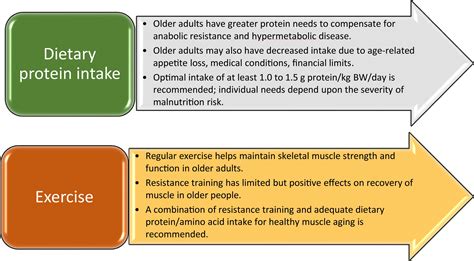
- Older Adults: As we age, the body becomes less efficient at utilizing protein, making a higher intake of 1.0 to 1.2 grams per kilogram of body weight, or even higher for active seniors, important to combat sarcopenia (age-related muscle loss).
Factors Influencing Your Needs
Your individual protein needs are a dynamic target. If you’re in a calorie deficit aiming for fat loss, higher protein intake can help preserve muscle mass. During periods of intense training or stress, your body’s demand for protein may also increase. Consider your current body composition and your ultimate fitness goals when calculating your target.
Best Protein Sources and Timing
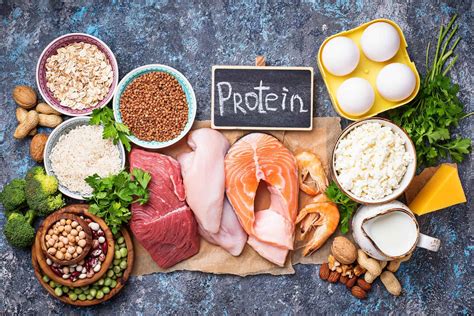
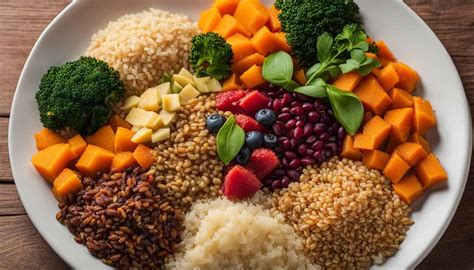
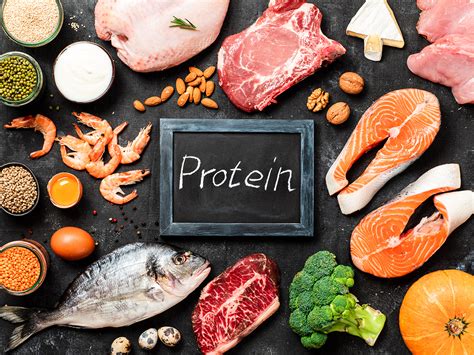
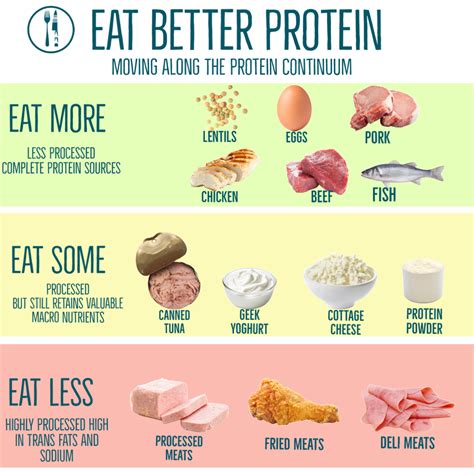
To meet your daily protein targets, focus on high-quality sources that provide a complete spectrum of essential amino acids. These include lean meats, poultry, fish, eggs, dairy products (like whey and casein), and for plant-based diets, options like soy, quinoa, lentils, and beans (often best combined). Spreading your protein intake evenly throughout the day, aiming for 20-40 grams per meal, has been shown to be more effective for MPS than consuming large amounts in one or two sittings, especially around workouts.
The Bottom Line
Optimal daily protein intake is a critical component for anyone serious about muscle growth, sustained energy, and effective recovery. While general guidelines provide a great starting point, the most effective approach is to personalize your intake based on your activity level, age, and specific health and fitness goals. Consulting with a nutritionist or dietitian can provide tailored advice to ensure you’re fueling your body optimally for performance and long-term health.