




To sustain peak male performance, how to optimize recovery for strength gains?
For men dedicated to pushing their physical limits and building formidable strength, the focus often lies heavily on the training itself – the reps, sets, and progressive overload. However, true and sustainable peak performance isn’t forged solely in the gym; it’s meticulously built during the hours spent recovering. Without an optimized recovery strategy, gains plateau, injury risk skyrockets, and the body’s ability to adapt and grow is severely compromised.
The Foundation: Quality Sleep
Sleep is arguably the most potent recovery tool at your disposal. During deep sleep cycles, your body repairs muscle tissue, synthesizes protein, and releases crucial growth hormones (like HGH and testosterone). A lack of adequate, quality sleep – typically 7-9 hours for most active men – elevates cortisol levels, degrades immune function, and significantly impairs muscle recovery and strength adaptation.
To enhance sleep quality, establish a consistent sleep schedule, create a cool and dark bedroom environment, and avoid screens for at least an hour before bedtime. Limiting caffeine and heavy meals late in the evening can also make a profound difference in your ability to fall and stay asleep.

Fueling Recovery: Strategic Nutrition
What you eat directly impacts your body’s ability to repair and rebuild. Post-workout, your muscles are primed to absorb nutrients. Prioritize a sufficient intake of high-quality protein (around 1.6-2.2g per kg of body weight) to provide the amino acids necessary for muscle protein synthesis. Complex carbohydrates are essential for replenishing glycogen stores, which are depleted during intense training, ensuring you have energy for subsequent workouts.
Don’t overlook the importance of micronutrients. Vitamins, minerals, and antioxidants found in fruits, vegetables, and whole grains play critical roles in reducing inflammation, supporting immune function, and facilitating overall cellular repair. Hydration is also paramount; even slight dehydration can impair performance and recovery.

Active Recovery and Mobility Work
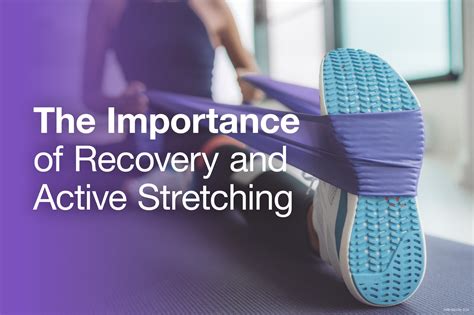
While rest days are vital, complete inactivity might not always be the most effective recovery strategy. Active recovery, such as light cardio (walking, cycling), stretching, or foam rolling, can help increase blood flow to muscles, delivering nutrients and flushing out metabolic waste products without adding significant stress. This can reduce muscle soreness and improve flexibility, paving the way for better performance in your next strenuous session.
Incorporating regular mobility work and stretching into your routine helps maintain range of motion, prevents stiffness, and can mitigate the risk of overuse injuries. Movements like dynamic stretches before a workout and static stretches post-workout can significantly contribute to long-term joint health and muscle elasticity.
Managing Stress for Optimal Hormonal Balance
Beyond physical exertion, mental and emotional stress significantly impacts your body’s ability to recover. Chronic stress leads to elevated cortisol levels, a catabolic hormone that can break down muscle tissue and interfere with anabolic processes. This imbalance can hinder strength gains and overall male performance.
Implementing stress-reduction techniques like meditation, mindfulness, spending time in nature, or engaging in hobbies can help lower cortisol and promote a more anabolic state. Recognizing and addressing sources of stress in your daily life is a critical, yet often overlooked, component of a comprehensive recovery strategy.
Strategic Supplementation and Lifestyle Habits
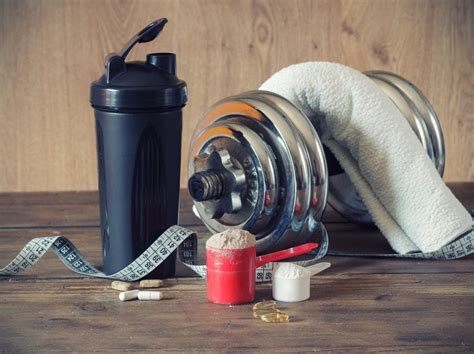
While whole foods should always be the priority, certain supplements can support recovery when dietary intake is insufficient or needs a boost. Creatine monohydrate is well-researched for its ability to improve strength and power, as well as aid in recovery by replenishing ATP. Whey protein, BCAAs, and omega-3 fatty acids can also play supportive roles in muscle repair and inflammation reduction.
Beyond specific supplements, consider lifestyle habits that further support recovery. Avoiding excessive alcohol intake, which can disrupt sleep and impair nutrient absorption, and establishing routines that promote mental relaxation are key. Consistency across all these elements, not just the occasional implementation, is what truly yields results.
Listen to Your Body and Adapt
Ultimately, recovery is highly individualized. What works for one person might not work for another. Pay close attention to your body’s signals: persistent fatigue, decreased performance, unusual muscle soreness, or mood changes can all indicate insufficient recovery. Incorporate deload weeks into your training schedule to allow for active recovery and supercompensation, helping your body bounce back stronger.
Regularly assess your recovery strategies and be willing to adjust them based on your training intensity, life stressors, and overall well-being. A holistic and adaptive approach to recovery ensures that you not only make consistent strength gains but also sustain peak male performance for the long haul, reducing injury risk and enhancing overall health.