

Strategic tech for optimizing deep sleep & recovery?
Unlocking Deeper Rest: The Strategic Role of Technology in Sleep & Recovery
In our increasingly demanding world, the quality of our sleep directly impacts our cognitive function, physical performance, and overall well-being. Deep sleep, in particular, is crucial for cellular repair, memory consolidation, and hormone regulation. Fortunately, advancements in technology offer a powerful arsenal of tools designed to monitor, analyze, and optimize this vital restorative process. Far beyond simple fitness trackers, a new generation of strategic gear is emerging to help us achieve truly regenerative sleep and accelerate recovery.
Wearable Devices: Your Personal Sleep Scientist
The first line of defense in optimizing sleep often comes in the form of wearable technology. Smart rings, watches, and bands have evolved from basic step counters to sophisticated sleep laboratories, providing granular insights into your nightly patterns. Devices like the Oura Ring, WHOOP, and advanced smartwatches track key metrics such as heart rate variability (HRV), skin temperature, respiratory rate, and movement to accurately assess sleep stages (light, REM, deep) and overall sleep quality. By understanding these individual biomarkers, users can identify patterns, understand stressors, and make informed lifestyle adjustments.
These wearables don’t just collect data; they often provide actionable recovery scores and personalized recommendations, helping you understand how daily activities, stress, and even food choices impact your readiness for the next day. This constant feedback loop empowers individuals to take a proactive approach to their sleep health.
Smart Home Integration: Crafting the Optimal Sleep Environment
Beyond personal wearables, your sleep environment plays a monumental role in deep sleep quality. Modern smart home technology offers seamless solutions to create an ideal sanctuary for rest. Smart lighting systems, for instance, can be programmed to mimic natural dawn and dusk cycles, gently dimming in the evening to promote melatonin production and gradually brightening in the morning for a smoother wake-up. This circadian rhythm alignment is fundamental for consistent, high-quality sleep.
Smart thermostats and cooling mattress pads ensure your bedroom maintains the optimal temperature for sleep, typically between 60-67 degrees Fahrenheit (15-19 degrees Celsius), preventing overheating which can disrupt deep sleep cycles. White noise machines, smart speakers, and even advanced air purifiers contribute by masking disruptive sounds and ensuring clean air, further enhancing the sleep environment.
Specialized Gadgets for Deeper Dive & Recovery
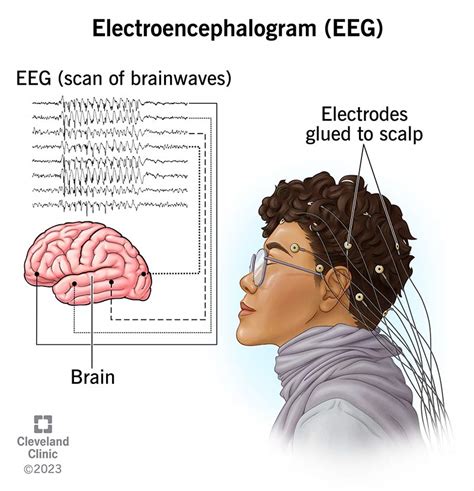
For those seeking even more targeted interventions, a range of specialized sleep gadgets offers advanced solutions. EEG-enabled headbands (like the Muse or Dreem) provide real-time brainwave feedback, guiding users through meditation and biofeedback exercises to promote relaxation and facilitate the transition into deeper sleep stages. Some devices even offer soundscapes synchronized with your brain activity to enhance sleep consolidation.
Other innovations include smart pillows that monitor sleep posture and provide gentle adjustments, or even vibratory feedback to reduce snoring. Advanced light therapy devices, used during the day, can help recalibrate your internal clock, especially beneficial for shift workers or those experiencing jet lag. The goal of these specialized tools is often to directly influence neural activity or physiological states conducive to profound rest.
Leveraging Your Tech Strategy for Maximum Impact
Simply owning these gadgets isn’t enough; the true power lies in strategic integration and consistent use. Start by understanding your baseline sleep patterns and identifying your biggest disruptors. Use the data from your wearables to track the impact of lifestyle changes – whether it’s adjusting your caffeine intake, optimizing your workout schedule, or refining your evening routine. Consistency is key; a few nights of tracking won’t reveal as much as continuous monitoring over weeks or months.
Furthermore, consider how different technologies can work together. A smart alarm that wakes you during a light sleep stage (using data from your wearable) can prevent grogginess. A smart lamp that responds to your bedtime routine can seamlessly guide you into rest. The best strategy is a holistic one that addresses various facets of your sleep hygiene.
The Future is Rested: Innovations on the Horizon
The landscape of sleep technology is rapidly evolving. We can anticipate even more sophisticated AI-driven analysis, highly personalized sleep coaching algorithms, and seamless integration between various smart devices. Imagine a future where your smart mattress, wearable, and smart home system communicate to dynamically adjust your environment, proactively mitigate sleep disturbances, and optimize your recovery based on real-time physiological needs. As our understanding of sleep deepens, so too will the ingenuity of the gear designed to help us achieve it.

Embracing strategic tech for sleep and recovery isn’t just about gadgetry; it’s about investing in a foundational element of your health and performance. By intelligently deploying these tools, you can transform your nightly rest from a passive necessity into an active, optimized process that empowers you to live a more vibrant, productive, and recovered life.