




Stop razor burn & ingrown hairs for peak skin performance?

Tired of the Shave Struggle? Say Goodbye to Irritation
For many, the act of shaving is a necessary evil, often accompanied by the unwelcome aftermath of razor burn and painful ingrown hairs. These common grooming woes don’t just compromise your skin’s appearance; they can also be a source of discomfort and frustration. But what if achieving a consistently smooth, irritation-free shave wasn’t a pipe dream? What if you could elevate your grooming routine to unlock peak skin performance?
This comprehensive guide will equip you with the knowledge and techniques to banish razor burn and ingrown hairs for good, transforming your shaving experience from a chore into a refreshing step towards healthier, happier skin.

Understanding the Enemy: What Causes Razor Burn and Ingrown Hairs?
Before we conquer these skin irritants, it’s crucial to understand their origins. Razor burn, characterized by redness, stinging, and bumps, often results from shaving too aggressively, using dull blades, or dry shaving. These actions can scrape away the top layer of skin, leading to inflammation.
Ingrown hairs occur when a shaved hair curls back into the skin and grows inwards, leading to red, itchy, and sometimes painful bumps. This is more common in individuals with curly or coarse hair and can be exacerbated by improper shaving techniques that cut hair below the skin’s surface or trap it under dead skin cells.
The Pre-Shave Ritual: Setting the Stage for Success
A great shave begins long before the blade touches your skin. Proper preparation is paramount:
- Exfoliate Gently: 12-24 hours before shaving, use a mild facial scrub or chemical exfoliant (like salicylic or glycolic acid) to remove dead skin cells that can trap hairs. Do not exfoliate immediately before shaving, as this can over-sensitize the skin.
- Warm Water & Steam: Shave after a warm shower or apply a hot, damp towel to your face for a few minutes. This softens your hair follicles and opens up pores, making hairs easier to cut and reducing resistance.
- Pre-Shave Oil: Apply a thin layer of pre-shave oil. This creates a protective barrier between your skin and the razor, allowing for a smoother glide and reducing friction.

The Shave Itself: Mastering Your Technique
This is where precision makes all the difference:
- Sharp Blade is Key: Always use a fresh, sharp razor blade. Dull blades tug at hair, causing irritation and an uneven cut. Replace cartridges every 5-7 shaves or when you feel any tugging.
- Lather Up Properly: Use a rich, hydrating shaving cream or gel, not just soap. Allow it to sit on your skin for a minute or two to further soften the hairs.
- Shave with the Grain: For the first pass, always shave in the direction your hair grows. This minimizes pulling and reduces the risk of irritation and ingrown hairs. If a closer shave is desired, a second pass can be made across the grain, but never against it if you’re prone to irritation.
- Light, Short Strokes: Let the razor do the work. Apply minimal pressure and use short, controlled strokes. Rinse your razor frequently to prevent build-up.

Post-Shave Perfection: Soothe, Protect, and Hydrate
Your work isn’t done once the last hair is cut. The post-shave routine is critical for calming the skin and preventing issues:
- Cold Water Rinse: Rinse your face with cool water to close pores and soothe the skin.
- Aftershave Balm (Alcohol-Free): Skip harsh, alcohol-based aftershaves that dry out and irritate the skin. Opt for a soothing, alcohol-free balm or lotion containing ingredients like aloe vera, witch hazel, or chamomile to calm redness and provide hydration.
- Moisturize: Follow up with a good quality, non-comedogenic moisturizer to lock in hydration and further protect your skin barrier.
- Avoid Touching: Try to avoid touching your freshly shaved skin unnecessarily, as this can transfer bacteria and cause irritation.

Long-Term Strategies for Lasting Smoothness
Consistency is key to maintaining peak skin performance:
- Regular Exfoliation: Continue your gentle exfoliation routine a few times a week (not on shave days) to keep pores clear and prevent hairs from becoming trapped.
- Hydration: Drink plenty of water and maintain a consistent skincare routine beyond just shaving to keep your skin healthy and resilient.
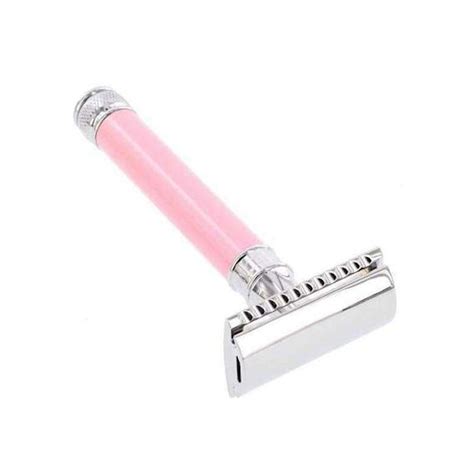
- Consider Your Tool: If despite all efforts, you still suffer from severe irritation, consider switching to a safety razor, electric shaver, or even exploring alternative hair removal methods like sugaring or laser hair removal.
Embrace a Better Shave, Embrace Better Skin
Stopping razor burn and ingrown hairs isn’t about magic; it’s about understanding your skin and implementing a disciplined, thoughtful grooming routine. By adopting these expert tips – from meticulous preparation to precise technique and nurturing aftercare – you can transform your shaving experience. Say goodbye to redness and bumps, and welcome consistently smooth, healthy, and high-performing skin. Your face will thank you.