




Shaving: How to prevent ingrown hairs for peak skin performance?

Understanding Ingrown Hairs: The Common Culprit
Ingrown hairs are a frustrating reality for many who shave, manifesting as small, red, sometimes painful bumps that can detract from an otherwise clean shave. They occur when a shaved hair curls back into the skin and grows inwards, leading to irritation, inflammation, and sometimes infection. While genetics can play a role, particularly for those with curly or coarse hair, the good news is that most ingrown hairs are preventable with the right techniques and products.
Step 1: Meticulous Pre-Shave Preparation
The secret to a bump-free shave often begins before the razor even touches your skin. Proper preparation softens the hair and opens pores, making it easier for the razor to glide smoothly and cut hairs cleanly without pulling or irritation.
- Warm Shower or Hot Towel: Start by washing your face or the area you intend to shave with warm water. A warm shower is ideal as the steam helps to soften the hair follicles and open up pores, making the hair easier to cut. Alternatively, a hot, damp towel applied for a few minutes can achieve a similar effect.
- Exfoliate Gently: Before shaving, gently exfoliate the skin using a mild face scrub or a soft brush. This step removes dead skin cells that can trap hairs and cause ingrown issues. Focus on circular motions to lift any hairs that might be lying flat against the skin.

Step 2: The Art of Shaving with Precision
Your shaving technique is paramount in preventing ingrown hairs. It’s not just about removing hair; it’s about doing so in a way that encourages healthy regrowth.
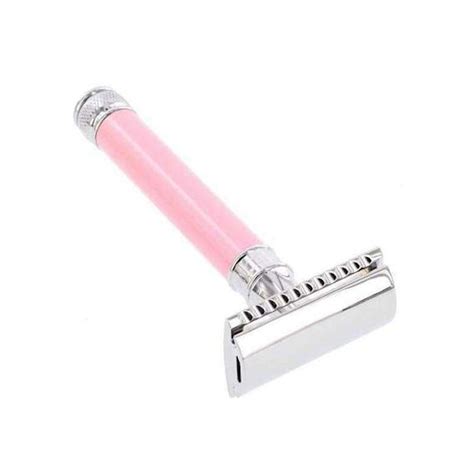
- Use a Sharp, Clean Razor: A dull razor requires more pressure and can pull at hairs, leading to irritation and a higher chance of ingrowns. Replace your razor blade or cartridge every 5-7 shaves, or at the first sign of discomfort. Always rinse your razor thoroughly after each use.
- Apply Quality Shaving Cream or Gel: A rich, lubricating shaving cream or gel creates a protective barrier between the blade and your skin, reducing friction and ensuring a smoother glide. Look for formulas with soothing ingredients like aloe vera or glycerin. Apply generously and let it sit for a minute or two to further soften the hairs.
- Shave With the Grain: This is perhaps the most crucial rule for preventing ingrown hairs. Shaving against the grain provides a closer shave but significantly increases the risk of hairs curling back into the skin. Shave in the direction of hair growth using light, short strokes.
- Rinse Your Blade Frequently: Clogged blades are inefficient and can tug at your skin. Rinse your razor under warm water after every few strokes to clear away hair and shaving cream buildup.

Step 3: Essential Post-Shave Care
The moments immediately after shaving are critical for calming the skin and discouraging ingrown hair formation.
- Rinse with Cold Water: After shaving, rinse your face with cool water to close pores and soothe the skin. Gently pat your skin dry with a clean towel; avoid rubbing vigorously.
- Apply a Soothing Aftershave Balm: Skip alcohol-based aftershaves, which can dry out and irritate the skin. Instead, opt for an alcohol-free aftershave balm or lotion with hydrating and anti-inflammatory ingredients like aloe vera, witch hazel, or chamomile. Some products are specifically formulated to prevent ingrown hairs.
- Moisturize Regularly: Keeping your skin hydrated and supple is key. A good moisturizer helps maintain the skin’s barrier function, ensuring hairs can grow out easily without getting trapped.

Advanced Strategies and When to Seek Help
For those particularly prone to ingrown hairs, incorporating a few extra steps can make a significant difference:
- Topical Treatments: Consider using products containing salicylic acid or glycolic acid a few times a week, as these chemical exfoliants help to keep pores clear and prevent dead skin cells from trapping hairs. Apply them on non-shaving days or before your pre-shave routine.
- Loose Clothing: If you’re shaving areas other than your face, like legs or bikini line, wear loose-fitting clothing immediately after to prevent friction and irritation.
- Avoid Picking: It’s tempting, but picking at ingrown hairs can worsen inflammation and lead to infection or scarring. Allow them to heal naturally or use targeted treatments.
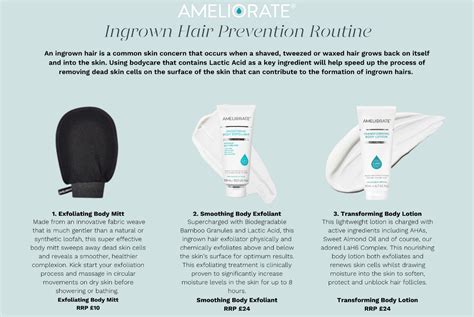
If ingrown hairs persist, become severely inflamed, or show signs of infection (pus, increased pain, redness), it’s advisable to consult a dermatologist. They can offer stronger topical treatments, prescribe antibiotics if necessary, or suggest alternative hair removal methods.
Conclusion: Embrace a Smarter Shave
Preventing ingrown hairs is an ongoing process that requires attention to detail at every stage of your shaving routine. By committing to proper pre-shave preparation, refining your shaving technique, and prioritizing post-shave care, you can significantly reduce the incidence of these irritating bumps. The result? Smoother skin, a more comfortable shave, and peak skin performance that leaves you feeling confident and irritation-free.