




Peak performance fitness: How to optimize workouts for max strength & efficiency?

The Quest for Peak Performance
Achieving peak performance in fitness isn’t just about working out harder; it’s about working out smarter. It’s the art and science of optimizing every aspect of your training to maximize strength, enhance endurance, and elevate overall athletic ability while minimizing wasted effort. Whether you’re an elite athlete or a dedicated fitness enthusiast, understanding the principles behind peak performance can transform your results.
Understanding the Pillars of Strength & Efficiency
Before diving into specific techniques, it’s crucial to grasp the foundational principles that govern strength and efficiency gains:
- Progressive Overload: The bedrock of strength training, this principle states that to get stronger, you must continually increase the demands on your muscles. This can be achieved by increasing weight, reps, sets, decreasing rest time, or improving technique.
- Specificity: Your body adapts specifically to the demands placed upon it. If you want to run faster, you run. If you want to lift heavier, you lift heavy. Tailor your training to your specific goals.
- Periodization: A systematic approach to training that involves varying training volume and intensity over planned cycles to prevent overtraining, reduce injury risk, and ensure peak performance at specific times.
- Recovery: Often overlooked, adequate rest, sleep, and nutrition are where adaptations truly occur. Without proper recovery, your body cannot rebuild stronger.
Strategic Workout Design for Max Strength
To build maximum strength, your workout structure needs to be deliberate and challenging.
Focus on Compound Lifts
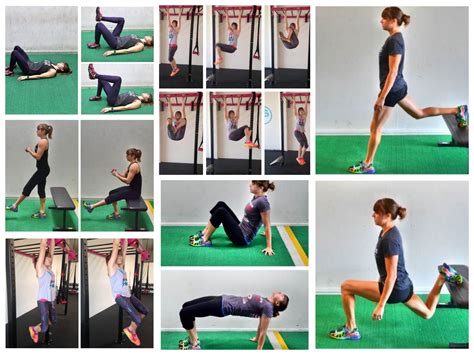
Prioritize exercises that work multiple muscle groups and joints simultaneously, such as squats, deadlifts, bench presses, overhead presses, and rows. These movements are incredibly effective for building foundational strength and stimulating a greater hormonal response.
Rep Ranges and Intensity
For pure strength, training in lower rep ranges (1-6 reps per set) with heavier loads (85%+ of your one-rep max) is most effective. This emphasizes neurological adaptations, teaching your body to recruit more muscle fibers efficiently.
Training Volume and Frequency
While low reps are key, ensure sufficient training volume (sets x reps) to stimulate muscle growth. Training each major muscle group 2-3 times per week often yields superior strength gains compared to single weekly sessions.
Implement Deload Weeks
Every 4-8 weeks, incorporate a deload week where you significantly reduce volume, intensity, or both. This allows your body to recover, repair, and come back stronger, preventing burnout and plateaus.
Enhancing Workout Efficiency
Efficiency means getting the most out of your time and effort. Here’s how to streamline your training for better results.
Optimize Time Under Tension (TUT)
Instead of just lifting quickly, control the eccentric (lowering) phase of an exercise. Slower eccentrics (3-4 seconds) can increase muscle damage and hypertrophy, leading to greater strength potential over time.
Supersets and Circuit Training
Pairing exercises that work opposing muscle groups (e.g., bench press and bent-over rows) or non-competing muscle groups (e.g., squats and pull-ups) can save time and elevate your heart rate. Circuit training (performing several exercises consecutively with minimal rest) is excellent for conditioning and muscular endurance, contributing to overall efficiency.
Strategic Rest Periods
While strength training often requires longer rest (2-5 minutes) between heavy sets to allow for full ATP replenishment, shorter, strategic rest periods (30-90 seconds) for hypertrophy or endurance-focused work can increase workout density and efficiency.
Master Proper Form and Technique
Flawless technique isn’t just about injury prevention; it’s about efficiency. Correct form ensures the target muscles are doing the work, preventing compensatory movements and maximizing the effectiveness of each rep.
The Critical Role of Nutrition and Recovery
Your performance in the gym is only as good as your recovery outside of it.

Fueling for Performance
- Protein: Essential for muscle repair and growth. Aim for 1.6-2.2 grams per kg of body weight daily.
- Carbohydrates: Your body’s primary energy source. Consume enough to fuel intense workouts and replenish glycogen stores.
- Fats: Vital for hormone production and overall health.
- Hydration: Dehydration significantly impairs performance. Drink water consistently throughout the day.
Sleep and Stress Management
Aim for 7-9 hours of quality sleep per night. Sleep is when your body produces growth hormone and repairs muscle tissue. Chronic stress elevates cortisol, which can hinder recovery and muscle growth. Incorporate stress-reducing practices like meditation or mindfulness.
Active Recovery and Mobility
Light activities like walking, foam rolling, stretching, or yoga can aid blood flow, reduce muscle soreness, and improve range of motion, contributing to better performance in subsequent workouts.
Monitoring Progress and Adapting Your Plan

What gets measured gets managed. Keep a detailed training log, tracking weights, reps, sets, and even how you felt during each session. This data is invaluable for identifying trends, recognizing plateaus, and making informed adjustments to your program. Be flexible and listen to your body; if something feels off, don’t be afraid to adjust your plan or seek professional guidance from a coach or physical therapist.
Sustaining Your Peak Performance Journey

Optimizing your workouts for maximum strength and efficiency is an ongoing journey of learning, adapting, and consistent effort. By meticulously applying the principles of progressive overload, specificity, and periodization, while prioritizing recovery and smart nutrition, you can unlock your full athletic potential. Stay consistent, remain patient, and enjoy the process of becoming the strongest, most efficient version of yourself.