




Optimize pre-workout: What to eat for peak gym performance & sustained energy?
Fueling Your Workout Success
To truly maximize your time in the gym, it’s not just about what exercises you do, but also what you put into your body beforehand. Proper pre-workout nutrition is the cornerstone of peak physical performance, providing the fuel needed for intense sessions, preventing fatigue, and setting the stage for optimal recovery. Eating the right foods at the right time can be the difference between a sluggish session and a powerhouse workout.
The Pillars of Pre-Workout Nutrition
Your pre-workout meal or snack should strategically combine macronutrients to supply immediate and sustained energy, protect muscle tissue, and optimize performance. The three key players are carbohydrates, protein, and to a lesser extent, healthy fats.

Carbohydrates: Your Primary Fuel
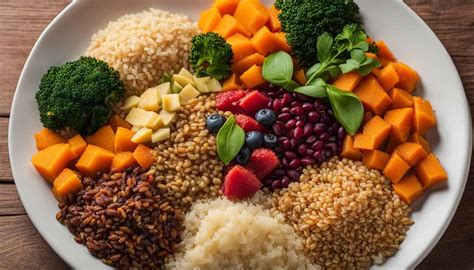
Carbohydrates are your body’s preferred and most efficient source of energy, especially for high-intensity exercise. They are broken down into glucose, which muscles use as fuel (glycogen). Complex carbohydrates (oats, whole-wheat bread, brown rice, sweet potatoes) provide a steady release of energy over a longer period, making them ideal for meals consumed 2-3 hours before a workout. Simpler carbs (fruit, white bread, sports drinks) are digested faster, offering quick energy for closer-to-workout snacks (30-60 minutes prior).
Protein: Muscle Protector & Builder
Including protein in your pre-workout meal helps reduce muscle damage during exercise, supports muscle repair, and aids in satiety. While not a primary energy source during exercise, having amino acids readily available can prevent muscle breakdown and kickstart the recovery process. Opt for lean protein sources like Greek yogurt, eggs, chicken breast, or a scoop of protein powder.

Healthy Fats: Sustained Energy (in moderation)
Fats digest slowly, providing a very sustained energy release. While beneficial for longer, lower-intensity activities, high-fat meals too close to an intense workout can cause digestive discomfort and slow down the absorption of other vital nutrients. If included, keep fats minimal and opt for healthy sources like a small amount of avocado, nuts, or seeds, especially if your workout is several hours away.
Timing Your Pre-Workout Meal for Optimal Impact
The timing of your pre-workout meal is almost as crucial as its composition. It largely depends on individual tolerance and the type of food consumed.
- 2-3 Hours Before: A balanced meal containing complex carbohydrates, lean protein, and a small amount of healthy fats. This allows ample time for digestion and nutrient absorption.
- 30-60 Minutes Before: A smaller, easily digestible snack rich in simple carbohydrates with minimal protein and fat. Think a banana, a piece of fruit, or a rice cake.
Always prioritize comfort; you don’t want to feel bloated or sluggish when you start your session.
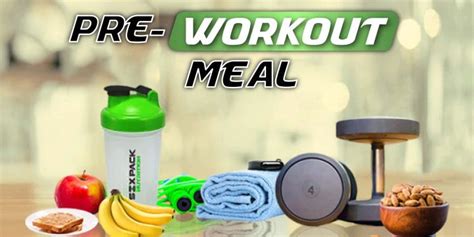
Sample Pre-Workout Meals & Snacks
- 2-3 Hours Before:
- Oatmeal with berries and a scoop of protein powder.
- Whole-wheat toast with scrambled eggs and avocado.
- Chicken breast with sweet potato and a small side salad.
- 30-60 Minutes Before:
- Banana.
- A handful of grapes or an apple.
- Greek yogurt with a small amount of fruit.
- Energy bar (check for low fat/fiber).

Don’t Forget Hydration!
Adequate hydration is just as vital as nutrition. Even mild dehydration can significantly impair performance. Aim to drink plenty of water throughout the day, and consume 16-20 ounces of water 2-3 hours before your workout, followed by 8-10 ounces 30 minutes prior.
What to Avoid Before a Workout
To prevent discomfort and performance dips, steer clear of:
- High-Fat Foods: Can cause sluggishness and digestive upset.
- High-Fiber Foods (too close to workout): Can lead to bloating, gas, and stomach cramps during exercise.
- Excessive Sugar: Can lead to a sudden energy crash (though simple sugars are fine in small amounts immediately before).
- Carbonated Drinks: Can cause bloating and gas.
- Novel Foods: Stick to foods you know your body handles well to avoid unexpected digestive issues.

Listen to Your Body and Experiment
Everyone’s body responds differently to foods and timing. It’s crucial to experiment and find what works best for you. Keep a log of what you eat, when you eat it, and how you feel during your workout. Over time, you’ll discover your optimal pre-workout strategy.
Conclusion
Optimizing your pre-workout nutrition is a powerful tool for enhancing gym performance and ensuring you have the sustained energy to crush your fitness goals. By strategically fueling with the right balance of carbohydrates, protein, and mindful fat intake, and paying attention to timing and hydration, you can unlock your full potential and make every workout count.