




Optimal strength training split for men’s peak performance & recovery?
Unlocking Peak Performance: The Science of Strength Training Splits
For men dedicated to pushing their physical limits, optimizing a strength training split isn’t just about showing up; it’s about strategic planning. The right split can dramatically enhance muscle growth, strength gains, and critically, ensure adequate recovery to prevent overtraining and promote long-term progress. This article delves into the most effective training splits, helping you tailor a program that aligns with your goals, experience, and lifestyle.

Understanding the Pillars of an Effective Split
Before diving into specific splits, it’s essential to understand the core principles that dictate their effectiveness: frequency, volume, and intensity. Frequency refers to how often a muscle group is trained per week, volume to the total work performed, and intensity to the resistance used. Balancing these elements is key to stimulating adaptation without overtaxing your system.
Key Factors to Consider:
- Experience Level: Beginners often benefit from higher frequency (e.g., full-body) to master movements, while advanced lifters may need more volume per muscle group.
- Recovery Capacity: Sleep, nutrition, stress levels, and age all impact how quickly your body can recover from intense workouts.
- Time Commitment: How many days a week can you realistically dedicate to the gym?
- Specific Goals: Are you aiming for hypertrophy (muscle growth), strength, endurance, or a combination?
Popular Strength Training Splits Explored
1. Full Body Split (2-4 Days/Week)
This split trains all major muscle groups in each session. Ideal for beginners, those with limited time, or individuals focusing on strength. It allows for high frequency for each muscle group, promoting rapid skill acquisition and recovery between sessions. However, total volume per muscle group per session is typically lower.
2. Upper/Lower Split (4 Days/Week)
Divides the body into upper body and lower body workouts. This allows for higher volume per muscle group twice a week, striking a good balance between frequency and recovery. It’s excellent for intermediate lifters looking to build both strength and size.

3. Push/Pull/Legs (PPL) Split (3-6 Days/Week)
One of the most popular and versatile splits. Push days target chest, shoulders, and triceps; Pull days focus on back and biceps; Leg days work quads, hamstrings, and calves. PPL allows for high volume and frequency (training each group twice a week if done 6 days), making it superb for hypertrophy and strength development among intermediate to advanced lifters.
4. Body Part Split (Bro Split) (3-5 Days/Week)
Each major muscle group gets its own dedicated day (e.g., Monday: Chest, Tuesday: Back, etc.). While popular, its main drawback is low training frequency for each muscle group (once per week), which may not be optimal for natural lifters for hypertrophy. It can be useful for advanced lifters using very high volume for specific muscle groups or for those focused purely on muscle isolation.

Choosing Your Optimal Split: Beyond the Basics
The ‘optimal’ split isn’t universally fixed; it evolves with you. For most men, a PPL or Upper/Lower split executed 4-6 times a week tends to offer the best balance of frequency, volume, and recovery for consistent progress. Experimentation is key. Listen to your body, track your progress, and be willing to adjust.
Advanced Considerations:
- Periodization: Varying your training over time to avoid plateaus and manage fatigue (e.g., switching from higher volume to higher intensity phases).
- Deload Weeks: Incorporating weeks with reduced volume and intensity to allow for full recovery and supercompensation.
- Accessory Work: Don’t neglect smaller muscle groups and prehab/rehab exercises that support overall strength and injury prevention.
The Indispensable Role of Recovery
No matter how perfect your training split, without adequate recovery, peak performance is unattainable. Muscle growth and strength gains happen outside the gym. For men, this means prioritizing:
- Sleep: Aim for 7-9 hours of quality sleep per night. This is where most hormonal repair and growth occurs.
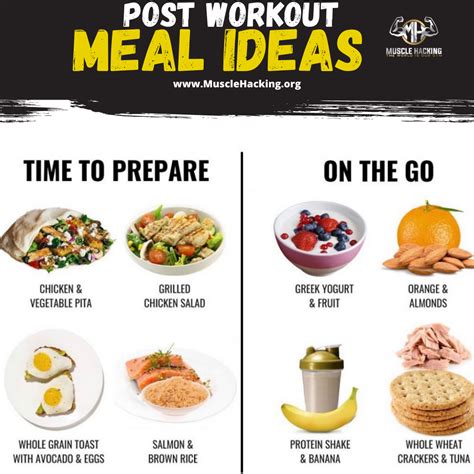
- Nutrition: A diet rich in protein, complex carbohydrates, and healthy fats fuels recovery, repairs tissues, and replenishes energy stores.
- Hydration: Essential for all bodily functions, including nutrient transport and waste removal.
- Stress Management: Chronic stress elevates cortisol, which can hinder recovery and muscle growth.
Conclusion: Tailoring Your Path to Strength
Finding the optimal strength training split for men’s peak performance and recovery is an ongoing journey of self-discovery. While the Push/Pull/Legs and Upper/Lower splits often provide the best framework for most intermediate to advanced lifters, the ultimate choice depends on your individual circumstances, goals, and recovery capacity. Be consistent, be patient, and above all, listen to your body to unlock your true potential in strength and physique development.