



Maximize gym results in minimal time: what’s the best power-focused split?
Crushing Your Goals When Time is Short
In a world where schedules are tighter than a pre-workout t-shirt, finding enough time for effective gym sessions can feel like an Olympic feat. Many aspire to build strength and power, but the commitment often seems daunting. The good news? You don’t need endless hours in the gym to make significant progress. The secret lies in a smart, power-focused training split designed for efficiency.
Why Power-Focused Training is Your Time-Saving Ally
Power training, characterized by heavy loads and compound movements performed with maximal effort, is inherently efficient. It targets multiple muscle groups simultaneously, leading to greater strength gains, increased muscle activation, and a potent stimulus for muscle growth – all in less time. Unlike traditional bodybuilding splits that often involve isolating muscles with higher rep ranges, a power-focused approach prioritizes moving heavy weight, which translates to quicker, more impactful sessions.
Core Principles for Time-Efficient Power
To truly maximize your minimal time, your power split must adhere to a few critical principles:
- Compound Lifts First: Exercises like squats, deadlifts, bench presses, and overhead presses should form the backbone of your routine. These movements deliver the most bang for your buck.
- Heavy Loads, Low Reps: Work in the 1-6 rep range for your main power lifts, ensuring adequate rest between sets (2-5 minutes) to maintain intensity.
- Progressive Overload: Consistently strive to lift more weight, perform more reps with the same weight, or increase the frequency of your lifts over time.
- Mindful Accessories: Select 1-2 accessory exercises per session that support your main lifts, rather than piling on endless isolation work.
Top Power-Focused Splits for Minimal Time
Here are the most effective workout splits for those looking to build power and strength with limited gym time:
1. Full-Body Power (2-3x/week)
The ultimate time-saver, a full-body power split hits all major muscle groups in each session. This allows for high frequency and rapid skill acquisition on your main lifts. It’s excellent for beginners or those who can only commit to 2-3 sessions per week.
Sample Structure (3x/week):
- Workout A: Squats, Bench Press, Rows, Overhead Press
- Workout B: Deadlifts, Overhead Press, Pull-ups, Dips
- (Rotate A, B, A one week; B, A, B the next)
Focus: 3-5 sets of 3-5 reps for main lifts, followed by 1-2 accessory movements for 3 sets of 6-10 reps.
2. Upper/Lower Split (3-4x/week)
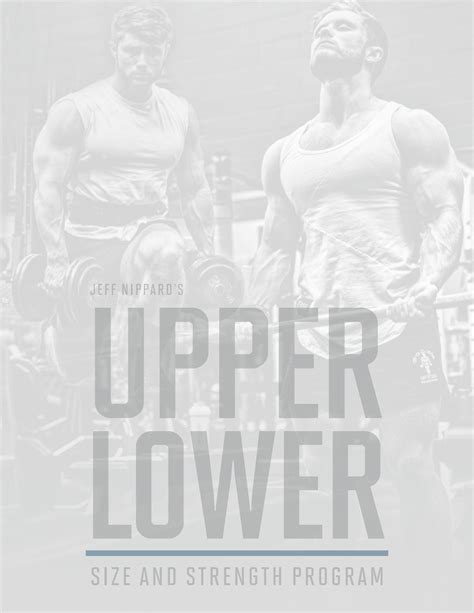
This split offers a great balance between frequency and allowing for more volume per muscle group than a full-body routine. You hit each major body part twice a week, allowing focused power work on your upper and lower body respectively.
Sample Structure (4x/week):
- Day 1: Upper Power (Bench Press, Overhead Press, Barbell Rows, Bicep Curls/Tricep Extensions)
- Day 2: Lower Power (Squats, RDLs, Leg Press, Calf Raises)
- Day 3: Rest
- Day 4: Upper Power (Variation) (Incline Press, Pull-ups, Dumbbell Bench, Face Pulls)
- Day 5: Lower Power (Variation) (Deadlifts, Front Squats, Lunges, Glute Ham Raises)
- Day 6-7: Rest
Focus: 3-4 sets of 3-5 reps for main power lifts, 2-3 sets of 8-12 reps for accessories.
3. Push/Pull/Legs (PPL) for Power (3-4x/week)
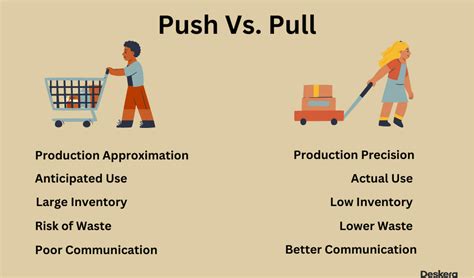
While often used for hypertrophy, PPL can be adapted for power by prioritizing heavy compound lifts at the start of each session and reducing overall volume. For minimal time, aim for a 3-day (hitting each group once) or 4-day (re-hitting one or two groups) rotation.
Sample Structure (3x/week):
- Day 1: Push Power (Bench Press, Overhead Press, Dips)
- Day 2: Pull Power (Deadlifts, Barbell Rows, Pull-ups)
- Day 3: Legs Power (Squats, Lunges, Calf Raises)
- Day 4-7: Rest or active recovery
Focus: 3-4 sets of 3-5 reps for main lifts, 2-3 sets of 6-10 reps for accessories.
Optimizing Your Power Sessions
Regardless of the split you choose, how you structure each session is key to time efficiency:
- Warm-up Smart: 5-10 minutes of dynamic stretching and light cardio, followed by specific warm-up sets for your main lift.
- Stick to the Plan: Avoid unnecessary exercises. Focus on your 1-2 main power movements, then 1-2 complementary accessories.
- Active Rest: Use rest periods between sets productively for light stretching or mental preparation, but don’t get distracted.
- Track Progress: Log your lifts to ensure you are consistently applying progressive overload.
Beyond the Gym: Recovery and Nutrition
Even the best power-focused split will fall short without adequate recovery and nutrition. With intense, heavy training, your body needs fuel and rest to rebuild stronger. Prioritize 7-9 hours of quality sleep, consume enough protein (around 1.6-2.2g per kg of body weight), and ensure a balanced intake of carbohydrates and healthy fats to support energy and recovery.
Conclusion: Power Up Your Progress, Even on a Tight Schedule
Achieving significant strength and power gains doesn’t require living in the gym. By adopting a well-structured, power-focused split like Full Body or Upper/Lower, prioritizing compound movements, and diligently applying progressive overload, you can maximize your results in minimal time. Consistency, intensity, and smart recovery are your ultimate tools. Stop making excuses and start making gains!