





How to smash strength plateaus for peak gains?

Conquering the Wall: What is a Strength Plateau?
Every dedicated lifter eventually faces it: the dreaded strength plateau. It’s that frustrating period when your lifts refuse to budge, your progress stalls, and you feel like you’ve hit an insurmountable wall. This isn’t a sign of failure, but rather a natural physiological response to consistent training. Your body adapts to the demands you place on it, and eventually, the old stimuli are no longer enough to provoke further adaptation and growth. Recognizing this is the first step; the next is implementing a strategic approach to break through.

Revisit Progressive Overload: More Than Just Adding Weight
Progressive overload is the fundamental principle of muscle growth and strength gain, but many misunderstand its full scope. While adding more weight is the most common form, it’s not the only one. When weight stalls, consider these other methods of progressive overload:
- Increase Reps or Sets: Stick with the same weight but aim for an extra rep or an additional set.
- Improve Form: Execute the same weight and reps with stricter, more controlled form. This often makes the lift harder and more effective.
- Decrease Rest Time: Shortening your rest periods between sets increases the density of your workout, demanding more from your muscles.
- Increase Time Under Tension: Slow down the eccentric (lowering) phase of your lifts to keep the muscle working longer.
- Increase Frequency: If appropriate for your recovery, add another training session for a specific muscle group or lift.
Strategic Deloading: The Art of Stepping Back to Leap Forward
Sometimes, the best way to move forward is to take a temporary step back. A deload involves intentionally reducing your training volume, intensity, or both for a short period (typically one week). The benefits are immense:
- Physical Recovery: Allows your central nervous system, joints, and connective tissues to fully recover from accumulated fatigue.
- Mental Refresh: Prevents burnout and rekindles motivation.
- Improved Performance: Often, lifters return stronger and more explosive after a deload, shattering previous plateaus.
Consider a deload every 6-12 weeks, or whenever you feel unusually fatigued, experience nagging aches, or notice a persistent drop in performance.

Vary Your Training Stimulus: Shock Your Body Anew
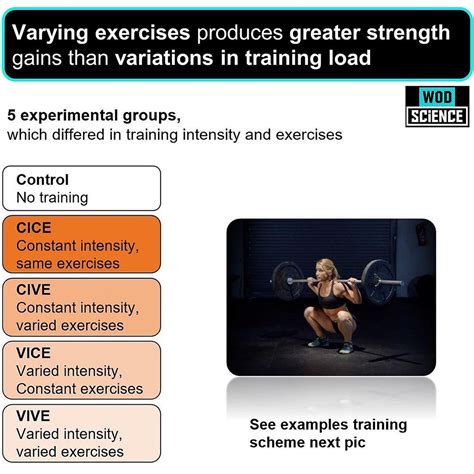
Your body is incredibly efficient at adapting. If you always perform the same exercises in the same rep ranges with the same intensity, it will eventually stop responding. Introduce variety to provide a novel stimulus:
Exercise Variation
- Substitute Exercises: If your barbell bench press is stuck, try dumbbell bench press, incline press, or even dips for a few weeks.
- Accessory Lifts: Strengthen weak links. If your squat stalls, focus on glute-ham raises, lunges, or paused squats.
- Unilateral Training: Incorporate single-limb exercises (e.g., single-arm rows, Bulgarian split squats) to address imbalances and improve stability.
Rep Range and Intensity Cycling
Don’t be afraid to train outside your typical strength rep range (1-5 reps). Incorporate phases of higher reps (8-12 for hypertrophy) or even endurance-focused training (15+ reps). This can build work capacity and stimulate different muscle fibers, preparing you to return to heavy lifting with renewed vigor.
Advanced Training Techniques
Once you have a solid foundation, techniques like drop sets, supersets, rest-pause sets, forced reps, and partial reps can be powerful tools to push past limits. Use them sparingly and strategically to prevent overtraining.
Optimize Nutrition and Sleep: Fuel and Repair for Growth
Training breaks down muscle; nutrition and sleep rebuild them stronger. You cannot expect peak gains if these foundational elements are neglected.
- Caloric Intake: Ensure you are in a slight caloric surplus if your goal is strength and muscle gain. Trying to build strength in a deep deficit is often futile.
- Protein Intake: Aim for 1.6-2.2 grams of protein per kilogram of body weight to support muscle repair and synthesis.
- Carbohydrates: Provide essential energy for intense workouts and replenish glycogen stores. Don’t fear them.
- Healthy Fats: Crucial for hormone production and overall health.
- Hydration: Dehydration significantly impairs performance and recovery. Drink plenty of water throughout the day.
- Sleep: This is where most of the magic happens. Prioritize 7-9 hours of quality sleep per night for optimal hormone regulation, muscle repair, and central nervous system recovery.

Mindset and Consistency: The Unsung Heroes
Breaking a plateau isn’t just physical; it’s mental. Stay patient, persistent, and positive. Track your progress meticulously to identify patterns and celebrate small victories. Sometimes, the only thing holding you back is your belief that you can’t break through. Visualize success, stay consistent with your efforts, and trust the process.

Conclusion
Strength plateaus are an inevitable part of the fitness journey, but they are not permanent roadblocks. By intelligently applying progressive overload, incorporating strategic deloads, varying your training stimulus, optimizing your nutrition and sleep, and maintaining a strong mindset, you can not only smash through your current limitations but also set the stage for even greater peak gains. Embrace the challenge, be smart with your training, and watch your strength soar to new heights.