




How to prevent razor burn & ingrown hairs for a consistently sharp look?

Why Razor Burn and Ingrown Hairs Occur
Razor burn and ingrown hairs are two of the most frustrating side effects of shaving, capable of turning a routine grooming task into a painful ordeal. Razor burn manifests as redness, irritation, and sometimes a stinging sensation, caused by improper shaving techniques, a dull blade, or insufficient lubrication. Ingrown hairs, on the other hand, occur when a shaved hair curls back into the skin and continues to grow underneath the surface, leading to red, itchy bumps that can sometimes become infected. Understanding the root causes is the first step towards achieving a consistently sharp and irritation-free look.

Pre-Shave Preparation: The Foundation of a Smooth Shave
The secret to preventing these common shaving woes often lies in your pre-shave routine. Proper preparation softens the hair, opens pores, and creates a protective barrier for your skin, significantly reducing friction and irritation.
Exfoliate Gently
Before you even think about shaving, consider a gentle exfoliation. Using a mild facial scrub or a washcloth in circular motions helps to remove dead skin cells that can trap hairs and contribute to ingrown hairs. This also helps lift the hairs away from the skin, making them easier to cut cleanly.
Warm Water is Your Best Friend
A warm shower or a hot towel compress applied to the area for a few minutes before shaving is crucial. Warmth helps to open pores and soften the hair follicles, making the hair less resistant to the razor blade. This reduces the tugging and pulling that often leads to razor burn and makes a clean cut more achievable.
Shaving Technique: Precision and Care
Once your skin and hair are prepped, your shaving technique becomes paramount. How you wield your razor can make all the difference between a smooth finish and a bumpy aftermath.
Use a Sharp, Clean Blade
This cannot be stressed enough: a dull blade is the enemy of smooth skin. Dull blades require more pressure, leading to more passes over the skin, increased friction, and a higher chance of irritation. Replace your razor blade after 5-7 uses, or sooner if you notice it dragging or pulling. Always rinse your blade thoroughly after each stroke to prevent hair and product buildup.
Apply Quality Shave Cream or Gel
Never dry shave. A rich, moisturizing shave cream or gel creates a lubricating layer between the blade and your skin, allowing the razor to glide effortlessly. Look for products with soothing ingredients like aloe vera or shea butter, and avoid those with excessive alcohol or harsh chemicals that can dry out your skin.

Shave With the Grain (Mostly)
For most areas, especially if you’re prone to razor burn and ingrown hairs, shaving with the grain (in the direction of hair growth) is highly recommended. This reduces irritation and minimizes the risk of hairs curling back into the skin. If you desire a closer shave, you can reapply shave cream and shave across the grain for a second pass, but avoid going against the grain entirely, especially on sensitive areas.
Light Pressure, Short Strokes
Let the razor do the work. Applying too much pressure not only dulls your blade faster but also increases the likelihood of nicks, cuts, and irritation. Use light, even pressure and short, controlled strokes. Stretch your skin taut with your free hand to create a flat surface for the blade.

Post-Shave Care: Soothe and Protect
Your grooming routine doesn’t end when the last hair is cut. Post-shave care is critical for calming the skin, preventing bacteria, and keeping ingrown hairs at bay.
Rinse with Cool Water
After shaving, rinse your face with cool water. This helps to close pores and soothe the skin, reducing redness and preventing potential irritation. Gently pat your skin dry with a clean towel; do not rub.
Apply an Aftershave Balm or Moisturizer
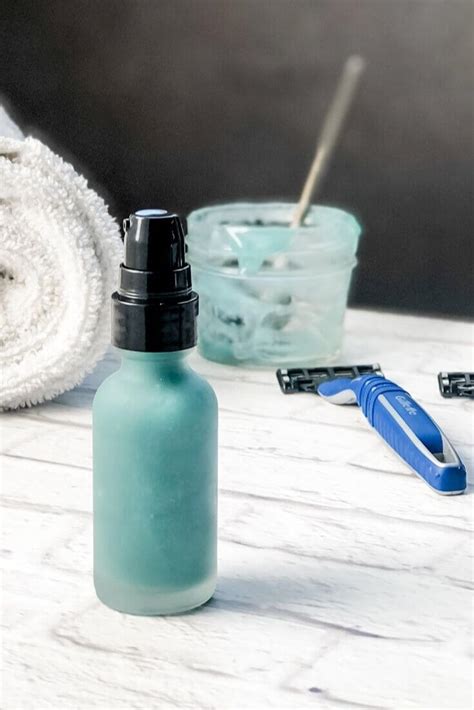
Immediately after rinsing, apply a soothing, alcohol-free aftershave balm or a gentle moisturizer. Look for ingredients like witch hazel, aloe vera, tea tree oil, or salicylic acid, which can help calm inflammation, prevent bacterial growth, and gently exfoliate to keep pores clear. This step replenishes moisture and creates a protective barrier for your freshly shaved skin.
Regular Exfoliation (Even on Non-Shave Days)
To consistently prevent ingrown hairs, consider gentle exfoliation 2-3 times a week, even on days you don’t shave. This helps ensure that new hair growth isn’t trapped under dead skin cells. Products containing salicylic acid or glycolic acid can be particularly effective in preventing ingrown hairs by keeping follicles clear.

Maintain Your Tools and Be Patient
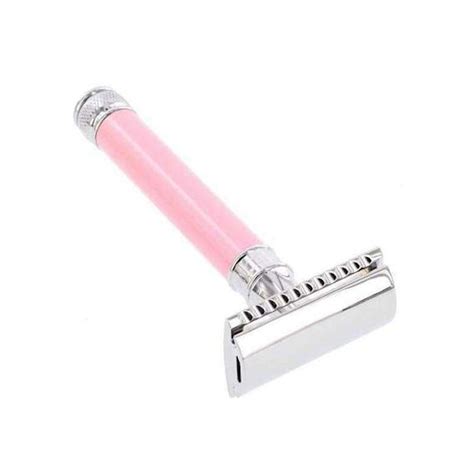
Finally, consistently sharp looks require well-maintained tools. Store your razor in a dry place to prevent bacterial growth and corrosion. If razor burn and ingrown hairs are a persistent issue, consider experimenting with different razor types (e.g., safety razor, electric shaver) or shaving methods. Sometimes, simply giving your skin a break from daily shaving can make a significant difference. By adopting these comprehensive strategies, you can minimize irritation, achieve a consistently smooth shave, and maintain that sharp, refined look effortlessly.