




How to prevent razor burn for a confident, professional shave?

Understanding Razor Burn: More Than Just an Irritation
Razor burn isn’t just an unsightly red rash; it’s a painful skin irritation caused by improper shaving techniques, dull blades, or insufficient lubrication. For anyone aiming for a confident, professional appearance, razor burn can be a major setback, leading to discomfort and an unpolished look. Fortunately, with the right approach and a few simple adjustments to your shaving routine, you can banish razor burn for good and enjoy the benefits of a consistently smooth, irritation-free shave.
Preventing razor burn is a multi-step process that begins before the blade even touches your skin and continues long after your shave is complete. It involves careful preparation, thoughtful execution, and diligent aftercare. Let’s delve into the essential practices that will transform your shaving experience.

The Essential Pre-Shave Ritual
1. Prepare Your Skin with Warmth and Moisture
The first step to a razor burn-free shave is proper skin and hair preparation. A warm shower or a hot towel applied to the face for a few minutes will soften your beard hairs and open up your pores. This makes the hairs easier to cut, reducing tugging and friction, which are primary culprits behind irritation. Softening the hair also allows the razor to glide more smoothly across the skin.
2. Exfoliate Gently
Before applying your shaving cream, consider a gentle exfoliation. This helps remove dead skin cells and dislodge any ingrown hairs that might lead to irritation. Use a mild facial scrub or a dedicated pre-shave wash. Be gentle, as aggressive scrubbing can make your skin more sensitive to the razor.
3. Apply a Quality Pre-Shave Oil
A good pre-shave oil creates a protective barrier between your skin and the razor blade. It adds an extra layer of lubrication, further softening the hairs and allowing for a smoother glide. Apply a small amount to your damp face and massage it in before applying your shaving cream.

Mastering Your Shaving Technique
1. Use a Sharp, Clean Razor Blade
This is perhaps the most critical factor. A dull blade requires more pressure and tends to tug at hairs, causing irritation and micro-cuts. Replace your razor blade or cartridge every 5-7 shaves, or sooner if you feel any pulling. Always rinse your blade thoroughly after each stroke to remove hair and shaving cream buildup, ensuring it stays clean and effective.
2. Generate a Rich Lather
A high-quality shaving cream or soap, applied with a brush, creates a thick, creamy lather that lifts the hairs away from the skin and provides excellent cushioning. Allow the lather to sit on your face for a minute or two before shaving to maximize its softening effect.
3. Shave with the Grain
For your first pass, always shave in the direction your hair grows. While shaving against the grain might give you a closer shave, it significantly increases the risk of razor burn and ingrown hairs, especially for those with sensitive skin. If you desire a closer shave, re-lather and make a second pass across the grain (perpendicular to hair growth) or a very gentle pass against the grain, but only if your skin can tolerate it without irritation.

4. Use Light, Short Strokes
Let the razor do the work. Apply minimal pressure and use short, controlled strokes. Pressing too hard is a common mistake that leads to irritation and cuts. Rinse your razor frequently to prevent clogging.
5. Stretch Your Skin (Carefully)
Gently stretching your skin can help create a flatter surface, allowing the blade to cut hair more efficiently without digging into uneven areas. However, avoid overstretching, which can increase irritation.
Post-Shave Care: Soothe and Protect
1. Rinse with Cold Water
After your shave, rinse your face thoroughly with cold water. This helps close your pores, reduce inflammation, and remove any lingering shaving cream residue.
2. Apply a Soothing Aftershave Balm
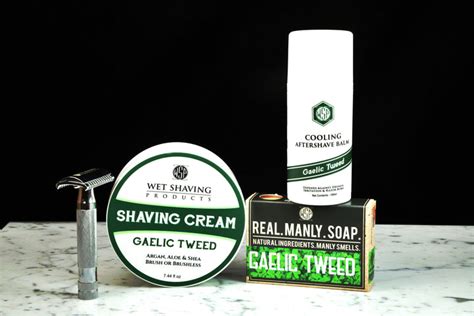
Alcohol-based aftershaves can dry out and irritate sensitive skin. Instead, opt for a hydrating, alcohol-free aftershave balm or moisturizer. Look for ingredients like aloe vera, witch hazel, chamomile, or shea butter, which help to calm, hydrate, and protect your skin.
3. Moisturize Regularly
Keeping your skin well-hydrated daily, not just after shaving, is crucial for maintaining skin health and preventing future irritation. A good moisturizer helps strengthen the skin barrier.

Maintaining Your Tools and Routine
1. Store Your Razor Properly
After each use, rinse your razor thoroughly and allow it to air dry completely. Storing it in a dry place prevents bacterial growth and keeps the blades sharp for longer. Never leave your razor sitting in a pool of water.
2. Give Your Skin a Break (If Needed)
If you’re particularly prone to razor burn, consider taking a day or two off from shaving to allow your skin to recover. This is especially helpful if you’re trying out new techniques or products.
Confidence from a Smooth Shave
Preventing razor burn is an achievable goal that will significantly elevate your grooming routine and boost your confidence. By investing in quality products, adopting meticulous preparation, refining your shaving technique, and committing to proper post-shave care, you can ensure every shave is smooth, comfortable, and leaves you looking sharp and professional. Embrace these practices, and say goodbye to razor burn for good.