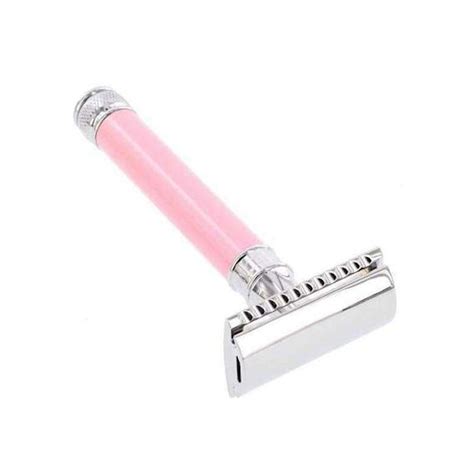





How to prevent ingrown hairs & razor burn for a consistently sharp, irritation-free shave?

Understanding Ingrown Hairs and Razor Burn
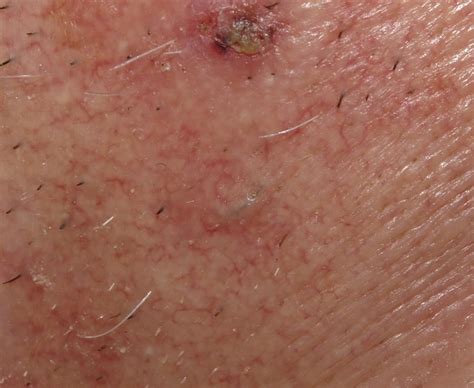
Ingrown hairs and razor burn are common adversaries in the pursuit of a consistently smooth shave. Ingrown hairs occur when a shaved hair curls back into the skin, causing redness, bumps, and sometimes infection. Razor burn, on the other hand, is an irritation of the skin caused by improper shaving techniques, dull blades, or a lack of lubrication, leading to redness, stinging, and bumps.
While frustrating, both conditions are largely preventable with a thoughtful approach to your shaving routine. By adopting a few key practices, you can transform your shaving experience from a chore into a seamless step towards healthy, irritation-free skin.

Step 1: Meticulous Pre-Shave Preparation
The foundation of a great shave is laid before the blade ever touches your skin. Proper preparation softens the hair, opens pores, and creates a protective barrier.
Exfoliate Gently
- Why: Exfoliation removes dead skin cells that can trap hairs and contribute to ingrown hairs.
- How: Use a mild facial scrub or an exfoliating brush 1-2 times a week, or a gentle exfoliating wash daily before shaving. Focus on areas prone to ingrown hairs.
Warm Water & Steam
- Why: Warm water softens the hair follicles and skin, making hairs easier to cut and reducing drag.
- How: Shave after a warm shower, or apply a warm, damp towel to your face for a few minutes prior to shaving.
Choose Quality Shaving Products
- Why: A rich shaving cream or gel provides lubrication, reducing friction between the blade and your skin.
- How: Opt for an alcohol-free, moisturizing shaving cream or gel. Apply generously and let it sit for a minute or two to further soften hairs.

Step 2: Master Your Shaving Technique
The actual act of shaving is where many common mistakes occur. Precision and care are paramount to preventing irritation.
Use a Sharp, Clean Razor
- Why: Dull blades tug at hairs, causing irritation and an uneven cut that can lead to ingrowns. A dirty blade can introduce bacteria.
- How: Replace disposable razor heads every 5-7 shaves. Rinse your blade thoroughly after each stroke to remove hair and product build-up.
Shave With the Grain
- Why: Shaving against the grain pulls the hair, increasing the risk of razor burn and ingrown hairs.
- How: Observe the direction your hair grows and shave in that direction. For a closer shave, you can re-lather and make a second pass across the grain, but never directly against it if you’re prone to irritation.
Apply Minimal Pressure
- Why: Pressing too hard with the razor causes unnecessary friction and can cut the skin, leading to razor burn.
- How: Let the weight of the razor do the work. Use short, light, deliberate strokes.
Rinse Your Blade Frequently
- Why: Clogged blades are less effective and can drag across the skin.
- How: Rinse your razor under running water every 1-2 strokes to keep it clear of hair and shaving cream.

Step 3: Essential Post-Shave Care
The steps you take immediately after shaving are just as crucial for soothing and protecting your skin.
Rinse With Cold Water
- Why: Cold water helps to close pores, calm the skin, and reduce any immediate irritation.
- How: Splash your face with cold water immediately after your final rinse.
Apply a Soothing Aftershave or Moisturizer
- Why: Hydrates the skin, reduces redness, and provides a protective barrier.
- How: Choose an alcohol-free aftershave balm or a gentle moisturizer with ingredients like aloe vera, witch hazel, or chamomile. Avoid products with strong fragrances or alcohol, which can further irritate sensitive skin.
Avoid Tight Clothing (for body shaving)
- Why: Friction from tight clothing can irritate freshly shaved skin and push hairs back into the skin, causing ingrowns.
- How: After shaving areas like legs, armpits, or the bikini line, wear loose-fitting, breathable fabrics.
Advanced Tips for Stubborn Cases
If you’re still struggling with ingrown hairs and razor burn despite following the basic steps, consider these additional measures:
- Single-Blade Razors: Multi-blade razors can sometimes cut hair below the skin’s surface, increasing the risk of ingrowns. A single-blade safety razor or an electric shaver might be a gentler option.
- Reduce Shaving Frequency: Allowing your hair to grow a bit longer before shaving can sometimes reduce irritation.
- Topical Treatments: Over-the-counter products containing salicylic acid or glycolic acid can help exfoliate the skin and prevent ingrown hairs. Apply them regularly, not just after shaving.
Conclusion
Achieving a consistently sharp, irritation-free shave is an art that combines preparation, technique, and proper aftercare. By investing time in understanding your skin and hair, and by consciously adopting these preventative measures, you can say goodbye to ingrown hairs and razor burn, enjoying smoother, healthier skin with every shave.