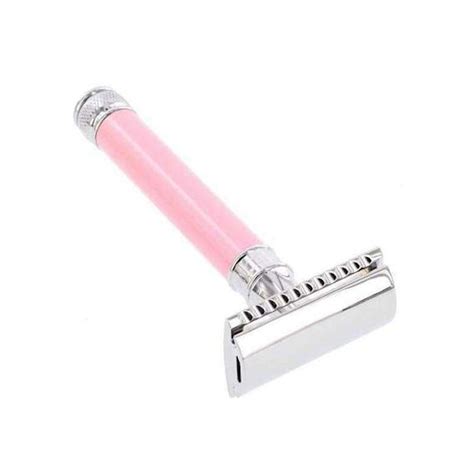





How to prevent ingrown hairs for a performance-ready shave?

Mastering the Art of a Smooth Shave
For athletes, performers, or anyone demanding a polished appearance, a “performance-ready” shave means more than just removing stubble. It signifies a flawless, irritation-free complexion free from the bane of ingrown hairs. These painful, unsightly bumps occur when shaved hairs curl back into the skin, causing inflammation and discomfort. Preventing them requires a strategic approach, blending proper technique with consistent skincare. Let’s delve into the essential steps to achieve that enviable, smooth finish without compromise.

Pre-Shave Preparation: The Foundation of Flawless Skin
Exfoliation is Non-Negotiable
The first line of defense against ingrown hairs begins before the blade even touches your skin. Exfoliation removes dead skin cells that can trap growing hairs and prevent them from emerging cleanly. Use a gentle facial scrub or an exfoliating brush 2-3 times a week, and always before shaving. This not only cleanses your pores but also lifts the hairs, preparing them for an easier cut.
Warm Water and Proper Hydration
Never shave on dry skin. A warm shower or applying a hot towel to your face for a few minutes will soften your hair follicles and open up your pores, making the hair much easier to cut. This reduces tugging and minimizes irritation. Follow this with a high-quality pre-shave oil or cream to create a protective barrier and allow the razor to glide effortlessly.
![[Ma vương] Chương 68 – Misaki](/images/aHR0cHM6Ly90czIubW0uYmluZy5uZXQvdGg/aWQ9T0lQLmtoRENHcGdKRTA2ci1vQ2VwZ3VQU3dBQUFBJnBpZD0xNS4x.webp)
The Shaving Technique: Precision and Patience
Use a Sharp, Clean Blade
Dull blades are a primary culprit behind ingrown hairs. They drag and pull at the hair, leading to uneven cuts and greater irritation. Always use a fresh, sharp blade – ideally after every 5-7 shaves, or sooner if you feel any tugging. Rinse your razor frequently during shaving to prevent hair and product build-up.
Shave With the Grain, Not Against It
While shaving against the grain might feel like it gives a closer shave, it significantly increases the risk of ingrown hairs and razor burn. Shave in the direction your hair grows. If a second pass is desired for extra closeness, reapply shaving cream and shave across the grain, never directly against it. Short, light strokes are key – let the razor do the work.
Minimize Passes and Pressure
Resist the urge to go over the same area multiple times without reapplying shaving cream. Each pass removes not just hair but also a layer of skin, leading to irritation. Use minimal pressure; a sharp blade requires only a light touch to be effective. Excessive pressure can push the blade too deep, causing skin damage and increasing the chance of hairs curling back.
Post-Shave Care: Soothe and Protect
Rinse with Cold Water and Pat Dry
After shaving, rinse your face with cold water. This helps to close your pores and soothe the skin, reducing inflammation. Gently pat your face dry with a clean, soft towel rather than rubbing vigorously.
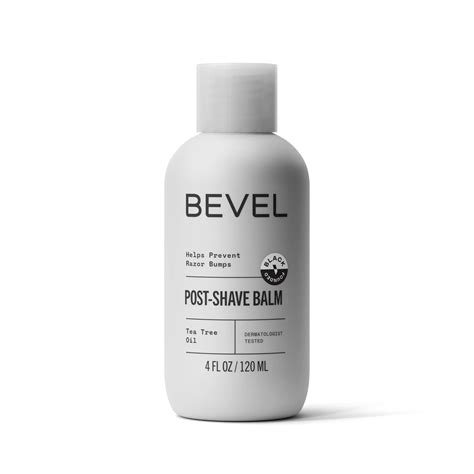
Apply a Soothing Aftershave Balm
Choose an alcohol-free aftershave balm or lotion. Alcohol can dry out and irritate the skin, counteracting all your careful efforts. Look for ingredients like aloe vera, witch hazel, chamomile, or salicylic acid (in low concentrations) which can calm irritation, reduce redness, and gently exfoliate to keep pores clear without drying.
Moisturize Regularly
Keeping your skin well-hydrated is crucial. A good moisturizer maintains skin elasticity and health, making it harder for hairs to get trapped beneath the surface. Consistent moisturizing is a long-term strategy for preventing ingrown hairs and maintaining a healthy skin barrier.

Ongoing Maintenance and Trouble-Shooting
Don’t Pick or Squeeze Ingrown Hairs
If an ingrown hair does appear, resist the temptation to pick or squeeze it. This can worsen inflammation, lead to infection, and cause scarring. Instead, apply a warm compress to the area to encourage the hair to emerge. If it persists, a gentle exfoliating treatment or a product specifically designed for ingrown hairs can help. In stubborn cases, consult a dermatologist.
Consider Your Shaving Frequency
Sometimes, simply adjusting how often you shave can make a difference. If you’re highly prone to ingrown hairs, giving your skin an extra day or two of rest between shaves might reduce irritation and allow hairs to grow out more easily.

Conclusion
Achieving a performance-ready shave that is smooth, comfortable, and free of ingrown hairs is entirely attainable with the right approach. It’s a combination of meticulous pre-shave preparation, careful shaving technique, and thoughtful post-shave care. By integrating these practices into your regular grooming routine, you can ensure your skin always looks and feels its best, ready for any challenge or spotlight.