




How to optimize progressive overload for continuous strength & performance gains?

Understanding Progressive Overload: The Foundation of Gains
Progressive overload is arguably the most critical principle in strength training. It dictates that to continually get stronger, build muscle, and improve performance, you must consistently increase the demands placed on your muscles over time. Without progressively challenging your body, it adapts to the current stimulus, and further progress stagnates. This article delves into how to effectively optimize this principle to ensure a steady trajectory of improvement.
At its core, progressive overload isn’t just about lifting heavier weights; it encompasses a variety of methods to make your workouts more challenging. Understanding these methods and knowing when and how to apply them is key to unlocking long-term success in your fitness journey.

Key Methods to Implement Progressive Overload
While increasing the weight is the most common form of progressive overload, it’s far from the only one. A holistic approach involves varying the stimulus to keep your body adapting and prevent plateaus.
- Increase the Weight/Resistance: The most straightforward method. Once you can comfortably complete your target reps and sets with good form, it’s time to incrementally increase the load.
- Increase Repetitions: If increasing weight isn’t feasible or safe for a particular exercise, performing more repetitions with the same weight can challenge your muscular endurance and build volume.
- Increase Sets: Adding an extra set to an exercise increases your total workload and time under tension, stimulating further adaptation.
- Decrease Rest Time: By shortening the rest periods between sets, you increase the density of your workout, making it more challenging for your cardiovascular system and muscular endurance.
- Increase Frequency: Performing an exercise or targeting a muscle group more often throughout the week, provided adequate recovery, can accelerate gains.
- Improve Form/Technique: While not a direct ‘overload’ in the traditional sense, perfecting your form allows you to recruit muscles more effectively and handle heavier loads safely in the long run. It also ensures you’re getting the most out of each repetition.
- Increase Time Under Tension (TUT): Slowing down the eccentric (lowering) or concentric (lifting) phases of an exercise increases the duration your muscles are under load, leading to greater muscle damage and growth stimulus.
- Partial Reps or Range of Motion: Once full range of motion is mastered, introducing partial reps at a sticking point with heavier loads can help break through plateaus. Alternatively, extending the range of motion can make an exercise more challenging.
Optimizing Implementation for Continuous Gains
Implementing progressive overload effectively requires more than just knowing the methods; it demands strategic planning and consistency.
Track Your Progress Meticulously
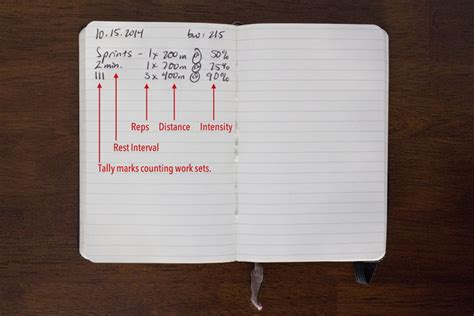
The adage ‘what gets measured gets managed’ rings especially true for progressive overload. Keeping a detailed workout log – noting the exercises, weights, sets, reps, and even perceived effort – allows you to objectively review your performance and plan your next session. This tracking makes it clear when and how to apply the next increment of overload, preventing guesswork and ensuring consistent progress.
Embrace Periodization
Periodization involves systematically varying your training program over time to manage fatigue, optimize performance peaks, and prevent overtraining. Instead of continuously trying to lift heavier every single week, periodization allows for cycles of higher intensity/lower volume and lower intensity/higher volume, or phases focused on specific attributes like strength, hypertrophy, or power. This strategic ebb and flow of training intensity is crucial for long-term progress and injury prevention.

Prioritize Recovery and Nutrition
Progressive overload only works if your body can recover and adapt to the increased stress. Adequate sleep (7-9 hours), a nutrient-dense diet rich in protein, complex carbohydrates, and healthy fats, and managing stress are non-negotiable. Without proper recovery, increased training demands can lead to overtraining, injury, and a halt in progress. Listen to your body and incorporate deload weeks when needed.
Focus on Form Over Load
Never sacrifice proper form for the sake of lifting heavier. Poor form not only increases the risk of injury but also reduces the effectiveness of the exercise, as accessory muscles may compensate, reducing the stimulus on the target muscle. Prioritize mastering the movement pattern with good form before attempting to increase the load or volume.
Common Pitfalls to Avoid
Even with the best intentions, several mistakes can hinder your progressive overload efforts:
- Too Much, Too Soon: Rapidly increasing weight or volume without adequate preparation leads to burnout or injury. Incremental progress is sustainable progress.
- Ignoring Weaknesses: Neglecting certain muscle groups or movement patterns can create imbalances, leading to plateaus or increased injury risk.
- Lack of Consistency: Infrequent or sporadic training makes it impossible for your body to adapt progressively. Regularity is paramount.
- Not Adjusting Based on Feedback: Failing to deload when experiencing excessive fatigue or persistent aches can quickly lead to overtraining.
Conclusion
Optimizing progressive overload is a dynamic process that requires a blend of consistency, strategic planning, and self-awareness. By understanding and applying its various methods, meticulously tracking your workouts, embracing periodization, and prioritizing recovery, you can create a robust framework for continuous strength and performance gains. Remember, the journey of fitness is a marathon, not a sprint, and consistent, intelligent progression is your key to long-term success.