




How to naturally boost testosterone for men’s peak performance & vitality?

Understanding the Power of Testosterone
Testosterone, often hailed as the “king of male hormones,” plays a pivotal role in more than just muscle growth and sex drive. It influences mood, energy levels, bone density, red blood cell production, and overall vitality. As men age, testosterone levels naturally decline, often leading to symptoms like fatigue, decreased libido, weight gain, and reduced cognitive function. While synthetic options exist, many men seek natural, sustainable ways to optimize their hormonal balance for peak performance and long-term health. This article explores science-backed strategies to naturally elevate your testosterone levels.

The Cornerstone: Diet and Nutrition
What you eat directly impacts your hormonal health. A balanced diet rich in specific nutrients is crucial for testosterone production:
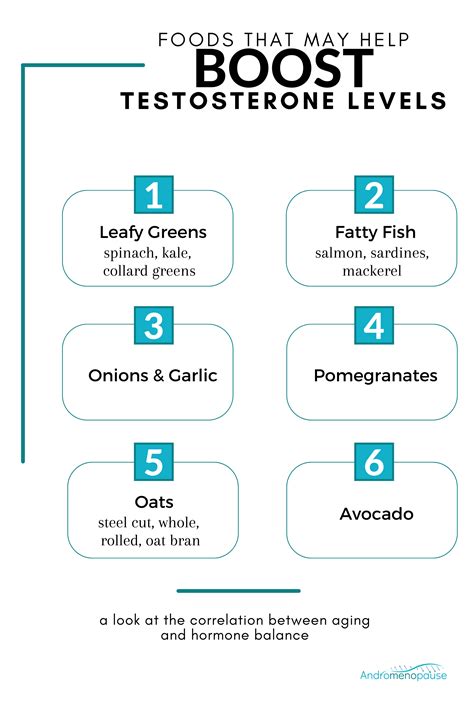
- Healthy Fats: Cholesterol is a precursor to testosterone. Incorporate healthy fats from sources like avocados, nuts, seeds, olive oil, and fatty fish (salmon, mackerel).
- Protein: Adequate protein intake (lean meats, poultry, eggs, legumes) supports muscle maintenance and growth, which is indirectly linked to higher T-levels.
- Zinc: This essential mineral is vital for testosterone synthesis. Good sources include oysters, red meat, poultry, beans, and nuts.
- Vitamin D: Often called the “sunshine vitamin,” Vitamin D acts like a steroid hormone in the body and is strongly correlated with testosterone levels. Get regular sun exposure or consider supplementation.
- Avoid Processed Foods and Excessive Sugar: These can lead to inflammation and insulin resistance, both detrimental to testosterone production.
Exercise Smart, Not Just Hard
Physical activity is a powerful testosterone booster, but the type of exercise matters:
- Strength Training: Lifting heavy weights (compound exercises like squats, deadlifts, bench presses) signals your body to produce more testosterone and growth hormone. Aim for 3-4 sessions per week.
- High-Intensity Interval Training (HIIT): Short bursts of intense exercise followed by brief recovery periods have been shown to elevate testosterone levels.
- Avoid Overtraining: Chronic, exhaustive cardio without adequate recovery can actually lower testosterone and increase cortisol (a stress hormone).

Prioritize Quality Sleep
Sleep is a non-negotiable component of hormonal regulation. Most of your testosterone production occurs during deep sleep. Chronic sleep deprivation can significantly decrease testosterone levels.
- Aim for 7-9 Hours: Consistent, quality sleep each night is critical.
- Improve Sleep Hygiene: Establish a regular sleep schedule, create a dark and cool bedroom environment, and avoid screens before bed.

Master Stress Management
In today’s fast-paced world, chronic stress is rampant, and it’s a major enemy of testosterone. When stressed, your body produces cortisol. High cortisol levels have an inverse relationship with testosterone, meaning as cortisol goes up, testosterone often goes down.
- Mindfulness and Meditation: Practices like meditation, deep breathing, and yoga can significantly reduce stress.
- Hobbies and Relaxation: Engage in activities you enjoy to unwind and de-stress.
- Limit Caffeine and Alcohol: While enjoyable in moderation, excessive intake can exacerbate stress and disrupt sleep.

Strategic Supplementation (With Caution)
While diet and lifestyle are paramount, certain supplements may offer additional support for some individuals, but always consult a healthcare professional first:
- Vitamin D3: Especially if sun exposure is limited.
- Zinc: If dietary intake is insufficient.
- Ashwagandha: An adaptogenic herb that may help reduce stress and improve testosterone.
- Fenugreek: Some studies suggest it can support healthy testosterone levels and libido.
- Magnesium: Important for overall health and plays a role in testosterone production.
Other Lifestyle Factors
- Maintain a Healthy Weight: Excess body fat, particularly around the abdomen, can convert testosterone into estrogen, further lowering T-levels.
- Limit Alcohol Intake: Heavy alcohol consumption can directly impair testosterone production.
- Avoid Endocrine Disruptors: Be mindful of exposure to chemicals like BPA (found in some plastics) and phthalates, which can interfere with hormone function.

Conclusion: A Holistic Approach for Lasting Vitality
Boosting testosterone naturally isn’t about a single magic pill or quick fix; it’s about adopting a comprehensive, consistent lifestyle. By focusing on a nutrient-rich diet, smart exercise, adequate sleep, and effective stress management, men can significantly optimize their testosterone levels. This holistic approach not only enhances physical performance and vitality but also contributes to improved mood, cognitive function, and overall well-being, helping you live a more vibrant and energetic life.