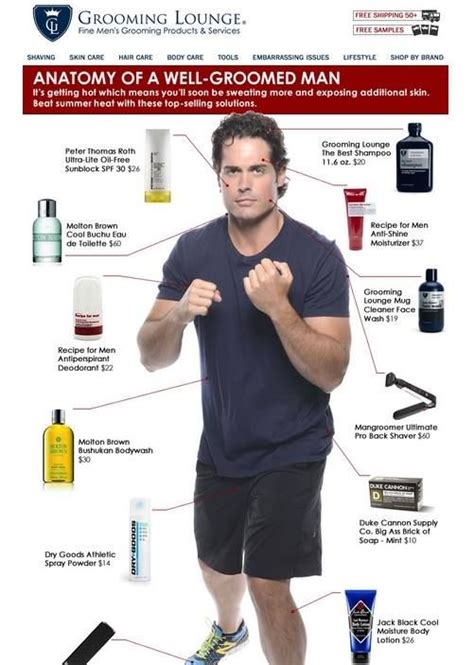





How to eliminate razor burn for peak professional sharpness?
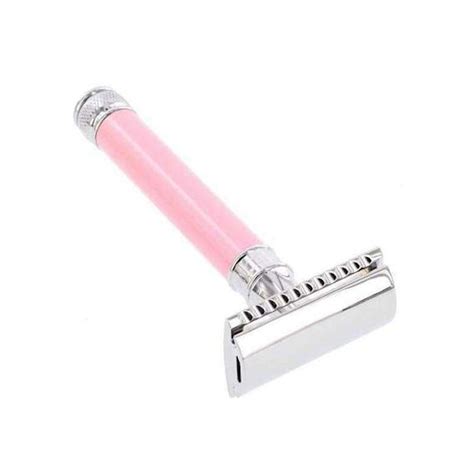
Achieving a Flawless Shave for Professional Success
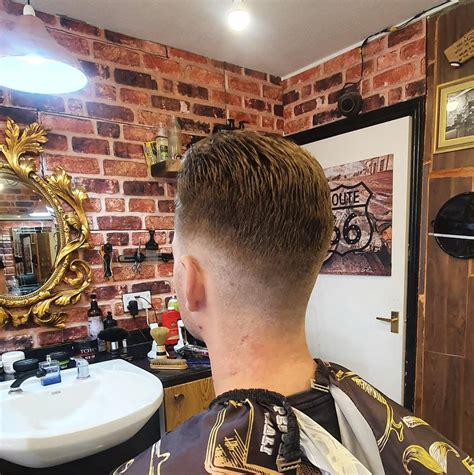
In the professional world, first impressions are paramount. A clean, sharp appearance not only boosts your confidence but also communicates attention to detail and professionalism. However, for many, the daily ritual of shaving can be marred by the discomfort and unsightly redness of razor burn. This common skin irritation can undermine your efforts to look your best, leaving you with an irritated complexion instead of a smooth, polished finish. Eliminating razor burn is not just about comfort; it’s about achieving peak professional sharpness every single day.
Understanding Razor Burn: What It Is and Why It Happens
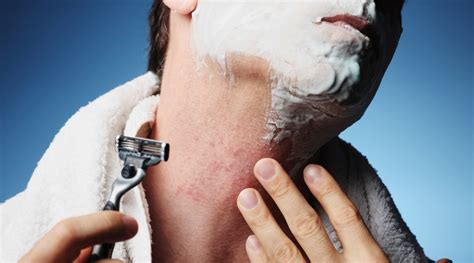
Razor burn, characterized by redness, stinging, and sometimes bumps, occurs when the skin is irritated by shaving. It’s often confused with folliculitis (ingrown hairs), but razor burn primarily results from poor shaving technique, dull blades, or insufficient lubrication. When a dull blade drags across the skin instead of cutting cleanly, or when too much pressure is applied, it can strip away the skin’s protective outer layer, leading to inflammation and irritation. Understanding these root causes is the first step toward prevention.
Preparation is Key: The Pre-Shave Routine
The foundation of an irritation-free shave begins long before the blade touches your skin. Proper preparation softens the hair and prepares your skin, significantly reducing friction and tugging. Start by washing your face with warm water or, even better, shave after a warm shower. The steam and heat open pores and soften whiskers, making them easier to cut. Consider a gentle facial exfoliant a few times a week to remove dead skin cells that can trap hairs and dull blades. Finally, apply a pre-shave oil to create an additional protective barrier between your skin and the blade.

The Shaving Process: Technique Matters
Your technique during the shave is critical in preventing razor burn. Always use a sharp, clean razor blade. A dull blade is the number one culprit for irritation. Replace your blade after 5-7 uses, or sooner if you feel any tugging. Apply a high-quality shaving cream or gel, allowing it to sit on your face for a minute or two to further soften the hair. Shave with the grain of your hair growth, not against it, especially on sensitive areas. This reduces tugging and minimizes irritation. Use light, short strokes and rinse your blade frequently under hot water to clear away hair and product build-up. Avoid going over the same area multiple times.
Post-Shave Care: Soothing and Protecting Your Skin
Once you’ve finished shaving, your skin needs immediate attention to calm and protect it. Rinse your face thoroughly with cool water to close pores and remove any remaining shaving product. Pat your face dry with a clean towel – do not rub. Immediately follow with an alcohol-free aftershave balm or lotion. Alcohol can dry out and irritate freshly shaved skin. Look for ingredients like aloe vera, witch hazel, chamomile, or essential oils that soothe and hydrate. If your skin is prone to dryness, follow up with a light, non-comedogenic moisturizer.

Troubleshooting and Long-Term Solutions
If razor burn persists, evaluate your entire routine. Are you changing your blade often enough? Is your shaving cream providing adequate lubrication? Sometimes, the issue might be related to ingrown hairs, which can be mitigated by regular exfoliation and using an ingrown hair serum. For those with extremely sensitive skin, considering different shaving tools like a safety razor, which offers a single, sharp blade, or a high-quality electric shaver designed for sensitive skin, might be beneficial. Experiment to find what works best for your unique skin and hair type.
Embrace a Smooth, Confident Look
Eliminating razor burn is an attainable goal that requires a combination of proper preparation, meticulous technique, and diligent post-shave care. By integrating these strategies into your daily grooming ritual, you can transform your shaving experience from a source of irritation into a seamless path to a flawlessly smooth complexion. A well-groomed face speaks volumes, projecting an image of confidence and attention to detail that is indispensable for peak professional sharpness.