





How to efficiently maximize strength & build lean muscle with limited gym time?

Balancing a busy schedule with fitness goals can feel like an uphill battle. Many aspire to build strength and sculpt lean muscle, but finding sufficient time in the gym often seems impossible. The good news is that you don’t need hours every day to see significant results. With smart planning, focused effort, and an understanding of efficiency, you can make serious progress even with limited gym time.
Prioritize Compound Movements
When time is scarce, every exercise counts. Compound movements are your best friends because they engage multiple muscle groups and joints simultaneously, delivering maximum bang for your buck. Instead of isolating single muscles, focus on exercises that work several at once.
Think squats, deadlifts, bench presses, overhead presses, and rows. These foundational lifts will stimulate greater muscle growth and strength gains across your entire body more effectively than a series of isolated bicep curls or triceps extensions.
Embrace High-Intensity Training (HIT) & Progressive Overload
Short workouts don’t mean low intensity. In fact, high-intensity training (HIT) is crucial for maximizing results in minimal time. Push yourself with heavier weights and fewer repetitions (e.g., 4-8 reps) closer to muscle failure. The goal is to make every set incredibly challenging.
Furthermore, progressive overload is non-negotiable. To continuously build strength and muscle, you must consistently challenge your body. This means gradually increasing the weight, reps, or decreasing rest times over successive workouts. Keep a training log to track your progress and ensure you’re always striving to do a little more than last time.

Smart Programming & Frequency
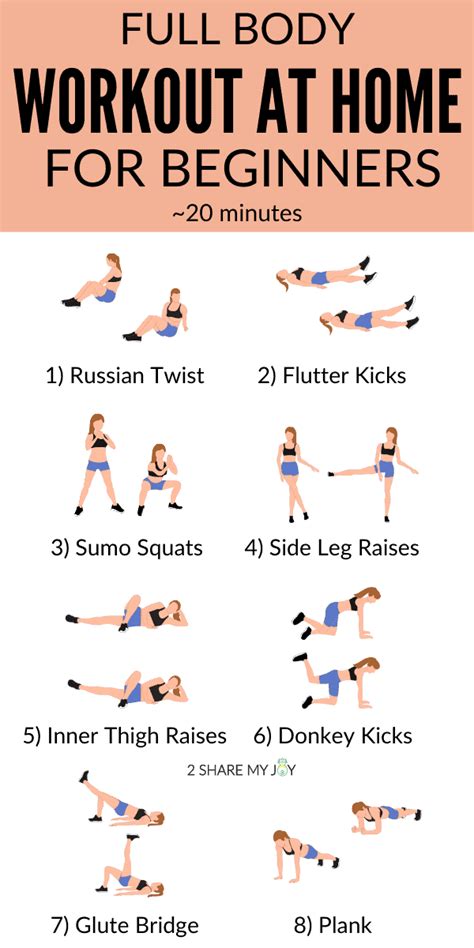
For those with limited time (e.g., 2-3 gym sessions per week), full-body workouts are often more effective than traditional split routines. A full-body approach allows you to hit all major muscle groups multiple times a week, providing consistent stimulus for growth and recovery.
Focus on 4-6 key compound exercises per session, performing 2-3 intense sets for each. Keep rest periods between sets purposeful – long enough to recover sufficiently for the next heavy lift, but not so long that your workout drags on. Aim for 60-90 seconds for most exercises, possibly longer for very heavy squats or deadlifts.
Nutrition and Recovery are Non-Negotiable
Your effort in the gym is only half the battle. To truly maximize strength and build lean muscle, your nutrition and recovery strategies must be dialed in. Ensure you’re consuming adequate protein (around 1.6-2.2 grams per kilogram of body weight) to support muscle repair and growth.
Maintain a slight caloric surplus if your primary goal is muscle gain, or a slight deficit for fat loss while preserving muscle. Don’t underestimate the power of sleep; aim for 7-9 hours per night. Quality sleep is when your body repairs and rebuilds muscle tissue, crucial for seeing results from your limited gym time.

Optimize Your Time in the Gym
Once you step into the gym, make every minute count. Have a clear plan before you arrive – know exactly which exercises you’ll do, the sets, and the target reps. Minimize distractions like your phone. Perform an efficient warm-up that primes your body for the movements ahead, rather than wasting time on endless cardio.
Consider techniques like supersets (performing two exercises back-to-back with minimal rest) for non-competing muscle groups to further condense your workout time. For example, superset a bench press with a bent-over row, or squats with pull-ups. This keeps your heart rate up and reduces overall session length without sacrificing intensity.
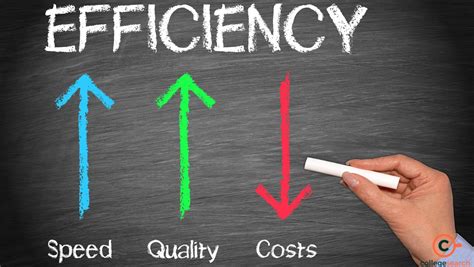
Building strength and lean muscle with limited gym time is entirely achievable, provided you approach it with intentionality and efficiency. Prioritize compound movements, train with high intensity, practice progressive overload, get your nutrition and recovery in check, and stay focused during your workouts. By adhering to these principles, you can transform your body and achieve impressive results, proving that quality truly trumps quantity when it comes to effective training.