





How to break through strength plateaus for peak performance?

Every dedicated lifter eventually encounters a dreaded strength plateau – a point where progress stalls, weights feel heavier, and motivation can wane. Far from being a sign of failure, plateaus are a natural part of the strength journey, signaling that your body has adapted to your current routine. To achieve peak performance, understanding and strategically overcoming these barriers is crucial.
Understanding the ‘Why’: Common Causes of Plateaus
Before you can break through a plateau, it’s vital to identify its root cause. Common culprits include:
- Lack of Progressive Overload: The fundamental principle of strength training is continually challenging your muscles. If you’re doing the same reps, sets, and weight week after week, your body has no reason to adapt and grow stronger.
- Inadequate Recovery: Muscle growth happens during rest, not during the workout. Insufficient sleep, overtraining, or chronic stress can severely hinder your body’s ability to repair and rebuild.
- Poor Nutrition: Strength gains require adequate fuel. A deficit in calories, protein, or essential micronutrients can prevent muscle repair and energy production needed for intense lifts.
- Monotony and Adaptation: Repeating the exact same exercises in the same rep ranges for too long allows your body to become highly efficient at them, reducing the stimulus for further growth.
- Weak Links: Often, a plateau isn’t about overall strength but a specific weak muscle group or stabilizer that limits your ability to lift heavier in compound movements.

Strategic Approaches to Break Through
Overcoming a plateau requires a systematic and often multi-faceted approach. Here are some proven strategies:
1. Vary Your Training Variables
- Change Rep Ranges: If you typically lift in the 8-12 rep range, try a few weeks of heavy, low-rep sets (3-5 reps) or higher-rep, lighter sets (15-20 reps). This targets different muscle fibers and energy systems.
- Alter Set Structure: Experiment with supersets, dropsets, cluster sets, or rest-pause training to increase intensity and time under tension.
- Exercise Variation: Substitute similar exercises. For example, switch from barbell squats to front squats or leg presses, or from flat bench press to incline dumbbell press.
- Tempo Training: Control the eccentric (lowering) and concentric (lifting) phases of an exercise. Slower tempos increase time under tension and muscle damage.

2. Implement Advanced Progressive Overload Techniques
Beyond simply adding weight, consider these methods:
- Micro-loading: Use fractional plates (as little as 0.5 lbs or 0.25 kg) to make tiny, consistent increases when larger jumps are too much.
- Periodization: Structure your training into phases, alternating between high volume, high intensity, and deload periods.
- Deload Weeks: Every 6-10 weeks, reduce your training volume and intensity by 40-60% for a week. This allows your body to fully recover, repair, and come back stronger.
- Accessory Work: Dedicate time to strengthen supporting muscles. For a bench press plateau, focus on triceps, shoulders, and upper back. For squats, target glutes, hamstrings, and core.
3. Prioritize Recovery and Sleep
Neglecting recovery is a common pitfall. Aim for 7-9 hours of quality sleep per night. Consider active recovery activities like light cardio, stretching, or foam rolling on off days to improve blood flow and reduce muscle soreness. Managing stress through mindfulness or hobbies also plays a crucial role.

4. Optimize Nutrition and Hydration
Re-evaluate your diet:
- Caloric Intake: Ensure you’re eating enough calories to support your training. A slight caloric surplus is often necessary for building strength and muscle.
- Protein Intake: Aim for 1.6-2.2 grams of protein per kilogram of body weight to support muscle repair and growth.
- Carbohydrates and Fats: Don’t neglect these macronutrients, which provide energy and support hormonal function.
- Hydration: Drink plenty of water throughout the day. Dehydration can significantly impair performance and recovery.

5. Mindset and Consistency
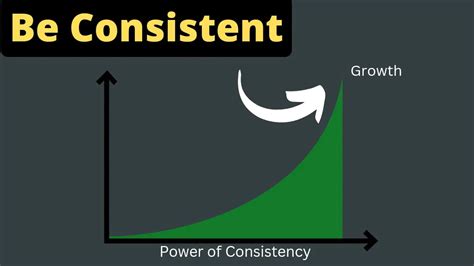
Breaking through a plateau can be mentally challenging. Maintain a positive attitude, review your training log for patterns, and don’t be afraid to try new things. Consistency is key – stick with a new strategy for several weeks before evaluating its effectiveness. Setting smaller, achievable mini-goals can also help keep motivation high.
Conclusion
Strength plateaus are not roadblocks but rather detours that lead to new insights and stronger performance. By strategically adjusting your training variables, prioritizing recovery, optimizing nutrition, and maintaining a positive mindset, you can effectively break through these barriers and continue your journey toward peak physical prowess. Embrace the challenge, learn from the experience, and watch your strength soar to new heights.