
How to break through a strength plateau for peak performance & muscle growth?

Every dedicated lifter eventually encounters the frustrating wall known as a strength plateau. It’s that point where your usual routine no longer yields progress, leaving you feeling stuck and demotivated. However, hitting a plateau isn’t a sign of failure; it’s an invitation to re-evaluate, adapt, and refine your approach to training. Breaking through these barriers is crucial for continued muscle growth, enhanced performance, and sustained motivation.
Understanding the Strength Plateau Phenomenon
A strength plateau occurs when your body fully adapts to the stimulus you’re providing. What once challenged your muscles and nervous system no longer provides sufficient stress for further growth or strength gains. This adaptation is natural, but prolonged plateaus can lead to stagnation. Common reasons include:
- Lack of progressive overload (doing the same thing repeatedly).
- Insufficient recovery (sleep, nutrition, rest days).
- Poor technique or muscle imbalances.
- Overtraining or chronic stress.
- Nutritional deficiencies or inconsistent caloric intake.
Key Strategies to Shatter Your Plateau
1. Re-evaluate and Vary Your Progressive Overload
Progressive overload is the cornerstone of strength and muscle gain, but it doesn’t always mean just adding more weight. When traditional weight increases stall, consider other forms:
- Increase Reps: If you’re stuck at a certain weight, try increasing your rep count before attempting a weight jump.
- Increase Sets: Add an extra set to your main lifts.
- Decrease Rest Time: Shorter rest periods increase workout density and metabolic stress.
- Increase Time Under Tension (TUT): Slow down your eccentrics (lowering phase) to extend the time your muscles are working.
- Increase Frequency: If you only hit a muscle group once a week, try twice a week.

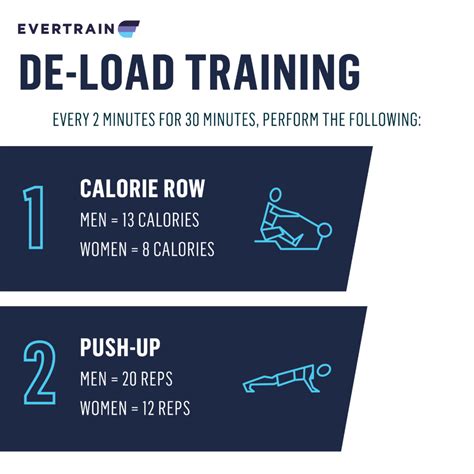
2. Implement Deload Weeks
Often overlooked, deloads are critical for recovery and preventing burnout. A deload involves intentionally reducing your training volume and/or intensity for a week (e.g., 50-70% of usual weight/reps/sets). This allows your central nervous system to recover, repairs microtrauma, and often results in coming back stronger. Many lifters find they break plateaus immediately after a deload.
3. Optimize Your Nutrition and Hydration
What you put into your body directly impacts its ability to recover and grow. If you’re struggling to gain strength or muscle, your diet might be the culprit.
- Caloric Intake: Ensure you’re in a slight caloric surplus for muscle growth. For strength, maintaining adequate calories is essential.
- Protein: Aim for 1.6-2.2 grams of protein per kilogram of body weight to support muscle repair and synthesis.
- Carbohydrates: Fuel your workouts and replenish glycogen stores with complex carbohydrates.
- Healthy Fats: Support hormone production and overall health.
- Hydration: Dehydration severely impairs performance and recovery. Drink plenty of water throughout the day.
4. Refine Your Form and Mind-Muscle Connection
Sloppy form not only increases injury risk but also reduces the effectiveness of an exercise. Revisit the basics:
- Perfect Your Technique: Record yourself, get coaching, or lift lighter to ensure perfect form.
- Mind-Muscle Connection: Focus intently on feeling the target muscle work during each rep. This enhances activation and recruitment.

5. Introduce Training Variation
Your muscles adapt to the same movements. Periodically introduce variety to shock your system:
- New Exercises: Swap out a barbell bench press for dumbbell presses, or squats for leg presses for a few weeks.
- Rep Ranges: Cycle between low reps (1-5 for strength), moderate reps (6-12 for hypertrophy), and high reps (15+ for endurance).
- Advanced Techniques: Incorporate drop sets, supersets, giant sets, rest-pause sets, or partial reps to increase intensity.
- Tempo Training: Vary the speed of your lifts to increase time under tension.
![Advanced Grammar in Use - Martin Hewings [2023, PDF] › Marine Tracker](/images/aHR0cHM6Ly90czEubW0uYmluZy5uZXQvdGg/aWQ9T0lQLlJqQW1CckplZTRia3RlcHQ5YjlHQmdIYUo5JnBpZD0xNS4x.webp)
6. Prioritize Sleep and Stress Management
Muscle growth and strength gains happen outside the gym, primarily when you sleep. Aim for 7-9 hours of quality sleep per night. Chronic stress, whether from training, work, or life, elevates cortisol levels, which can hinder muscle repair and fat loss. Implement stress-reducing techniques like meditation, yoga, or spending time in nature.
![Stages Of Sleep Sleep Stages [4 Types Of Sleep Stages] | SleepScore](/images/aHR0cHM6Ly90czEubW0uYmluZy5uZXQvdGg/aWQ9T0lQLjBtdk9xeURJY3I0NUN6SE9SSmZmMEFIYUY3JnBpZD0xNS4x.webp)
Consistency and Patience: The Unsung Heroes
Breaking through a plateau isn’t always instant. It requires consistent effort, patience, and a willingness to experiment. Track your progress meticulously in a training log to identify what works and what doesn’t. Remember that plateaus are temporary roadblocks, not dead ends. By applying these strategies, you can not only overcome them but also emerge stronger, more knowledgeable, and more resilient in your pursuit of peak performance and muscle growth.
Embrace the challenge, stay disciplined, and continue to push your boundaries. Your next breakthrough is just around the corner.