





How to break strength plateaus for consistent peak performance?

Understanding the Strength Plateau
Every dedicated lifter eventually faces a strength plateau – a frustrating period where progress stalls, and the numbers on the bar refuse to budge. This isn’t a sign of failure but a natural adaptive response from your body. To achieve consistent peak performance, understanding why these plateaus occur is the first step toward breaking them.
Why Plateaus Happen
- Adaptation: Your body adapts to the stress you place on it. If you keep doing the same exercises with the same weights and reps, your muscles become efficient, and the stimulus for growth diminishes.
- Insufficient Recovery: Without adequate rest, sleep, and proper nutrition, your muscles can’t repair and grow, leading to fatigue and stalled progress.
- Poor Nutrition: Lack of sufficient calories, protein, or macronutrients can hinder muscle repair and energy levels, making strength gains impossible.
- Overtraining: Pushing too hard, too often, without sufficient recovery can lead to physical and mental burnout, negatively impacting performance.
- Suboptimal Technique: Inefficient form can prevent you from properly engaging target muscles and limit your potential for lifting heavier weights safely.
Strategies to Break Through
Overcoming a plateau requires a strategic shift in your training, recovery, and lifestyle. Here are proven methods to reignite your progress.
1. Re-evaluate Your Program: Embrace Progressive Overload
The core principle of strength training is progressive overload – continuously increasing the demands on your muscles. If you’ve stalled, it’s time to vary how you apply this principle:
- Increase Volume: Add more sets or reps (e.g., from 3×5 to 4×5 or 3×8).
- Increase Intensity: Lift heavier weights, even if it means fewer reps.
- Decrease Rest Times: Shorten rest periods between sets to increase metabolic stress.
- Change Exercises: Introduce variations of main lifts (e.g., front squats instead of back squats, incline bench instead of flat bench) or entirely new accessory exercises to hit muscles from different angles.
- Tempo Training: Control the eccentric (lowering) and concentric (lifting) phases of an exercise to increase time under tension.

2. Optimize Nutrition and Recovery
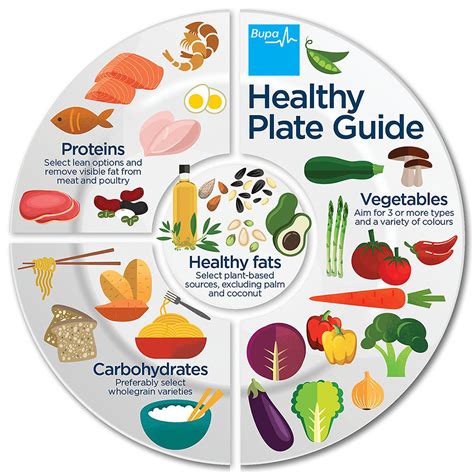
What you do outside the gym is as crucial as what you do inside. Your body can’t build muscle or recover if it lacks the raw materials or time.
- Caloric Intake: Ensure you’re in a slight caloric surplus if your goal is muscle gain. If you’re cutting, consider a short maintenance phase to re-sensitize your body.
- Protein Intake: Aim for 1.6-2.2 grams of protein per kilogram of body weight to support muscle repair and growth.
- Sleep: Prioritize 7-9 hours of quality sleep per night. Sleep is when your body does most of its repair work.
- Hydration: Drink plenty of water throughout the day. Dehydration can severely impair performance and recovery.
3. Address Technique and Form
Often, a plateau isn’t about strength but about efficiency. Minor improvements in form can unlock significant gains.
- Record Yourself: Video your lifts and review them for imbalances or technical flaws.
- Hire a Coach: A qualified coach can identify and correct form issues you might not notice.
- Lighten the Load: Temporarily reduce the weight to perfect your form, then gradually increase it back up with better mechanics.
4. Implement Deloads and Periodization
Your body can’t constantly progress without periods of reduced stress.
- Deload Week: Every 6-12 weeks, dedicate a week to significantly reduced volume and/or intensity (e.g., 50-70% of your usual weight, fewer sets). This allows your body to recover fully and supercompensate, often leading to new personal bests afterward.
- Periodization: Structure your training into blocks with different goals (e.g., a hypertrophy block, followed by a strength block, then a power block). This cyclical approach prevents adaptation and keeps your body guessing.

5. Incorporate Cross-Training and Accessory Work
Focusing solely on main lifts can sometimes lead to imbalances or neglect of stabilizing muscles.
- Cross-Training: Activities like swimming, cycling, or yoga can improve cardiovascular health, flexibility, and overall work capacity, indirectly boosting your strength.
- Accessory Exercises: Strengthen weaker muscle groups that might be limiting your main lifts. For instance, strong glutes and hamstrings support a better squat, while robust triceps aid bench press performance.

Consistency and Mental Toughness
Breaking a strength plateau isn’t a quick fix; it’s a process that requires patience, consistency, and a willingness to experiment. Don’t get discouraged. Analyze your current routine, implement one or two of these strategies, and give your body time to respond. Staying mentally tough and believing in your ability to adapt and grow is just as important as the physical changes you make.