


How does smart sleep tech gear elevate recovery and cognitive performance?
Unlocking Peak Potential Through Optimized Rest
In our increasingly demanding world, the pursuit of peak performance isn’t just about what we do while awake, but critically, how effectively we recover while we sleep. For years, sleep was a mysterious black box, but the advent of smart sleep technology has transformed it into a quantifiable, optimizable process. These innovative devices and platforms are not merely trackers; they are sophisticated tools designed to elevate both physical recovery and cognitive performance by providing unprecedented insights and tailored interventions.
The Science of Sleep and the Role of Smart Tech
Our sleep cycles are an intricate dance of non-REM (NREM) and REM sleep, each stage crucial for different aspects of recovery and brain function. NREM sleep, particularly deep sleep, is vital for physical restoration, cellular repair, and memory consolidation. REM sleep, on the other hand, is essential for emotional regulation, creative problem-solving, and learning. Smart sleep technology, from wearables to under-mattress sensors, employs advanced algorithms to accurately track these stages, along with metrics like heart rate variability, breathing patterns, and movement. By understanding the quantity and quality of time spent in each stage, users gain actionable data to identify patterns, pinpoint issues, and make informed adjustments to their sleep hygiene.
Enhancing Recovery: A Multi-faceted Approach
Smart sleep gear approaches recovery from multiple angles:
- Personalized Data & Feedback: Wearable trackers (rings, watches) and under-bed sensors collect a wealth of data, offering daily sleep scores, recovery metrics, and readiness assessments. This personalized feedback helps individuals understand the impact of their daily activities, diet, and stress levels on their nocturnal recovery.
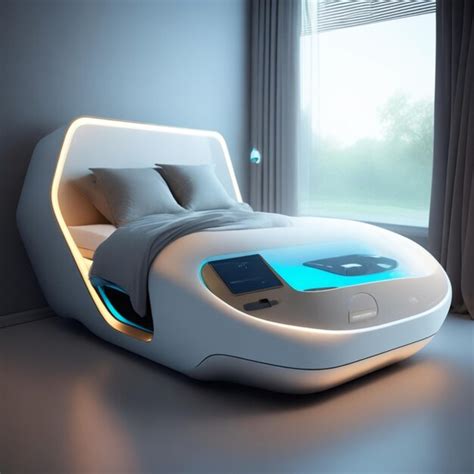
- Environmental Optimization: Smart mattresses and bed bases can automatically adjust firmness, temperature, and even provide gentle massage to optimize physical comfort and reduce nighttime disturbances. Smart lighting systems simulate natural sunrise/sunset, regulating melatonin production to align circadian rhythms, while smart blinds block out unwanted light.
- Sound & Atmosphere Control: Devices offering adaptive soundscapes, white noise, or guided meditations help users fall asleep faster and stay asleep longer by masking disruptive noises and fostering a calming environment. Some even integrate aromatherapy for an added layer of relaxation.
Boosting Cognitive Performance Through Quality Sleep
The link between sleep and cognitive function is undeniable. Sufficient, high-quality sleep is the bedrock upon which attention, memory, problem-solving, creativity, and decision-making are built. Smart sleep tech contributes significantly to improving these facets:
- Memory Consolidation: Deep NREM sleep plays a critical role in transferring new information from short-term to long-term memory. By helping users achieve more consistent deep sleep, these devices directly support learning and retention.
- Enhanced Focus & Attention: Adequate sleep prevents mental fatigue, sharpening focus and extending attention spans throughout the day. When sleep is optimized, the brain’s prefrontal cortex, responsible for executive functions, operates more efficiently.
- Problem-Solving & Creativity: REM sleep is particularly important for integrating new information with existing knowledge, fostering novel ideas and solutions. Smart tech that promotes healthy REM cycles can indirectly boost creative output and complex problem-solving abilities.
- Improved Mood & Emotional Regulation: Well-rested individuals typically exhibit better emotional stability and stress resilience, which in turn positively impacts cognitive clarity and interpersonal interactions.
The Future of Personalized Sleep Optimization
The evolution of smart sleep technology is accelerating, promising even more sophisticated and integrated solutions. We can anticipate further advancements in:
- AI-Driven Personalization: More intelligent algorithms will offer hyper-personalized sleep coaching, adapting in real-time to individual needs and lifestyle changes.
- Predictive Analytics: Devices will not only track but predict potential sleep issues before they arise, offering proactive interventions.
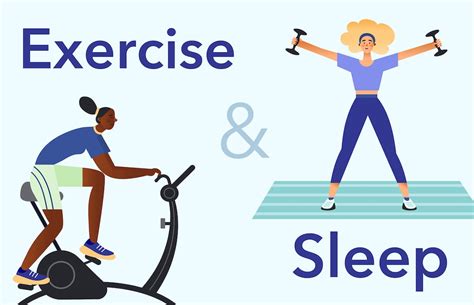
- Holistic Health Integration: Seamless integration with other health and wellness platforms (fitness trackers, nutrition apps) will provide a comprehensive view of overall well-being, highlighting the intricate connections between sleep, activity, and diet.


Conclusion: Investing in Tomorrow’s Well-being
Smart sleep tech gear is more than a luxury; it’s an investment in fundamental human performance. By demystifying our nightly rest and offering personalized pathways to optimize it, these devices empower individuals to enhance physical recovery, sharpen cognitive functions, and ultimately live more productive, healthier, and fulfilling lives. As the technology continues to advance, the future of sleep promises a truly restorative experience, elevating our capabilities far beyond what we once thought possible.