




How can I naturally boost testosterone for peak male performance & energy?

Understanding Testosterone and Its Importance
Testosterone, often dubbed the primary male sex hormone, plays a pivotal role in more than just reproductive health. It’s crucial for maintaining muscle mass and strength, bone density, red blood cell production, and a healthy sex drive. Beyond the physical, optimal testosterone levels contribute significantly to mood, cognitive function, energy levels, and overall vitality. As men age, testosterone levels naturally begin to decline, which can lead to a range of symptoms including fatigue, reduced libido, decreased muscle mass, and even mood swings. The good news is that many lifestyle factors can be optimized to support healthy testosterone production naturally.

Dietary Strategies for Testosterone Support
Your diet is a powerful tool in influencing hormone production. To naturally boost testosterone, focus on a balanced intake of macronutrients and specific micronutrients:
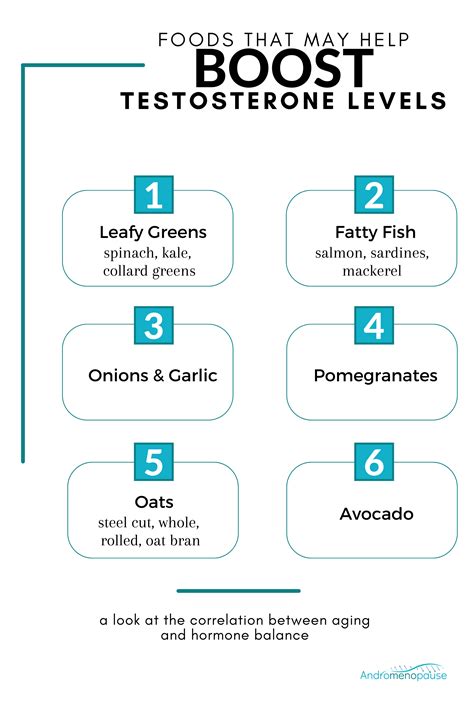
- Healthy Fats: Don’t shy away from healthy fats. Monounsaturated and saturated fats, found in avocados, nuts, olive oil, and red meat, are precursors to cholesterol, which is then converted into testosterone. Avoid trans fats entirely.
- Protein Intake: Adequate protein is essential for muscle growth and repair, which indirectly supports testosterone. Include lean meats, poultry, fish, eggs, and plant-based proteins in your diet.
- Complex Carbohydrates: Provide energy for workouts and overall bodily functions. Opt for whole grains, fruits, and vegetables over refined sugars and simple carbs.
- Micronutrients:
- Zinc: Crucial for testosterone production. Found in oysters, red meat, poultry, beans, nuts, and dairy.
- Vitamin D: More of a hormone than a vitamin, Vitamin D is strongly linked to testosterone levels. Get it from sun exposure, fatty fish, and fortified foods.
- Magnesium: Plays a role in many enzymatic reactions, including those involved in hormone synthesis. Rich sources include leafy greens, nuts, seeds, and whole grains.
Limit processed foods, excessive sugar, and alcohol, as these can negatively impact hormone balance.
The Power of Exercise for Hormone Optimization
Regular physical activity, particularly certain types, is a highly effective way to stimulate testosterone production.
- Strength Training: Lifting weights or resistance training is perhaps the most impactful exercise for testosterone. Focus on compound movements like squats, deadlifts, bench presses, and rows, which engage multiple muscle groups. Aim for 3-4 sessions per week with adequate recovery.
- High-Intensity Interval Training (HIIT): Short bursts of intense exercise followed by brief recovery periods have also been shown to boost testosterone levels. Examples include sprints, burpees, and kettlebell swings.
- Avoid Overtraining: While exercise is beneficial, excessive or prolonged cardio without adequate recovery can actually suppress testosterone. Listen to your body and ensure proper rest.

Prioritizing Quality Sleep
Sleep is a non-negotiable component of hormone regulation. Testosterone production primarily occurs during deep sleep stages. Chronic sleep deprivation can significantly lower your levels.
- Aim for 7-9 Hours: Most men need 7-9 hours of quality sleep per night.
- Improve Sleep Hygiene: Establish a consistent sleep schedule, make your bedroom dark, cool, and quiet, and avoid screens before bedtime.

Managing Stress Effectively
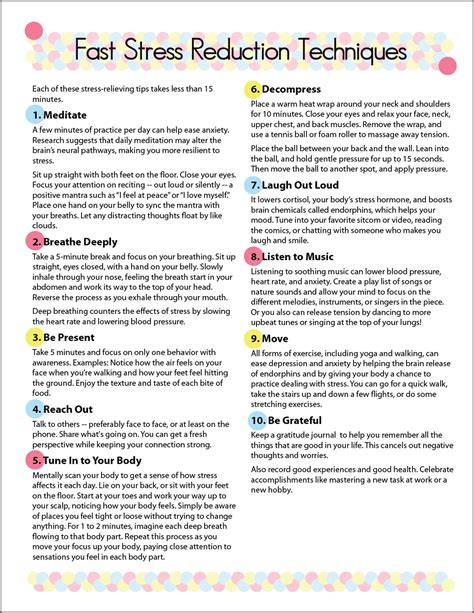
Chronic stress elevates cortisol, the body’s primary stress hormone. High cortisol levels have a direct inverse relationship with testosterone, meaning increased cortisol can lead to decreased testosterone. Effectively managing stress is crucial for maintaining hormonal balance.
- Mindfulness and Meditation: Practices like meditation, deep breathing exercises, and yoga can significantly reduce stress and cortisol levels.
- Hobbies and Relaxation: Engage in activities you enjoy, spend time in nature, or practice relaxation techniques to de-stress.
- Social Connection: Strong social ties and a sense of community can also contribute to lower stress levels.
Other Lifestyle Factors for Peak Performance
- Maintain a Healthy Weight: Obesity, especially excess abdominal fat, is linked to lower testosterone. Losing weight, particularly belly fat, can improve hormone levels.
- Limit Alcohol Consumption: Excessive alcohol intake can interfere with testosterone production and metabolism.
- Avoid Endocrine Disruptors: Be mindful of exposure to chemicals like BPA (found in some plastics) and phthalates, which can mimic or interfere with hormones.
By integrating these natural strategies into your daily life, you can create an optimal environment for your body to produce and utilize testosterone efficiently, leading to enhanced male performance, energy, and overall well-being. Always consult with a healthcare professional before making significant lifestyle changes, especially if you suspect a hormonal imbalance.