




Combat fatigue: How to boost natural testosterone for peak male performance?

Reclaiming Your Vitality: Understanding Testosterone’s Role
Feeling perpetually tired, lacking motivation, or struggling with a diminished libido? These symptoms often point to a common culprit in men: suboptimal testosterone levels. Testosterone, the primary male sex hormone, is crucial not just for sexual health but also for energy levels, muscle mass, bone density, mood, and cognitive function. As men age, testosterone naturally declines, but modern lifestyles can accelerate this process, leading to what’s often referred to as ‘low T’ or andropause.
While synthetic hormone replacement therapy is an option for some, many men can significantly improve their testosterone levels and overall well-being through natural, sustainable lifestyle changes. This article delves into science-backed strategies to help you combat fatigue and achieve peak male performance by naturally optimizing your testosterone.

Fueling Your Hormones: The Power of Nutrition
What you eat plays a pivotal role in hormone production. A diet rich in whole foods, healthy fats, and essential micronutrients is fundamental for testosterone synthesis.
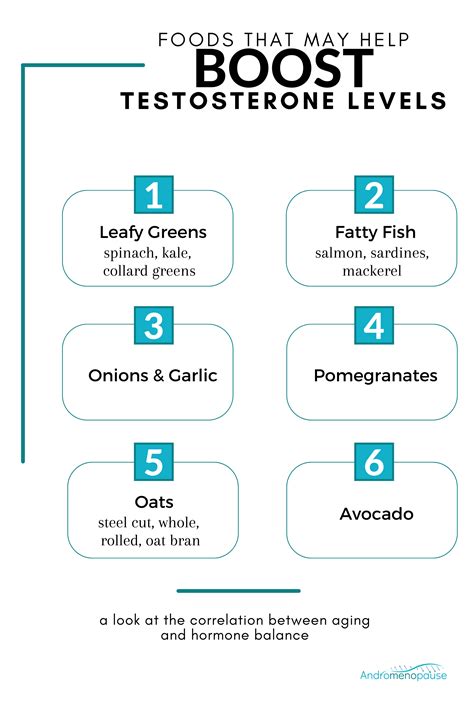
- Healthy Fats: Cholesterol is a precursor to testosterone. Incorporate healthy fats from sources like avocados, nuts, seeds, olive oil, and fatty fish (salmon, mackerel). Avoid trans fats and excessive saturated fats.
- Protein: Adequate protein intake is vital for muscle growth and hormone balance. Lean meats, eggs, dairy, and legumes are excellent sources. Aim for about 0.8-1 gram per pound of body weight for active individuals.
- Micronutrients: Zinc and Vitamin D are particularly crucial. Zinc is involved in testosterone production, found in oysters, red meat, poultry, and beans. Vitamin D, a pro-hormone, can significantly impact T levels; sun exposure, fatty fish, and fortified foods are good sources. Consider supplementation if deficient.
- Limit Sugar and Processed Foods: High sugar intake can lead to insulin resistance, which is linked to lower testosterone. Processed foods often lack vital nutrients and can contribute to inflammation.

Move to Thrive: Exercise Strategies for Testosterone Boost
Exercise, especially certain types, is a powerful natural testosterone booster. Regular physical activity not only helps maintain a healthy weight (reducing estrogen conversion) but also directly stimulates hormone release.
- Strength Training: Lifting weights, particularly compound exercises like squats, deadlifts, bench presses, and rows, has been shown to significantly increase testosterone. Focus on heavy lifting with proper form, aiming for 3-4 sessions per week.
- High-Intensity Interval Training (HIIT): Short bursts of intense exercise followed by brief recovery periods can also be highly effective for boosting testosterone and growth hormone. Examples include sprints, cycling, or rowing.
- Avoid Overtraining: While exercise is good, excessive or prolonged cardio without adequate recovery can actually suppress testosterone and elevate cortisol (the stress hormone). Listen to your body and ensure proper rest.

The Pillars of Restoration: Sleep and Stress
Often underestimated, quality sleep and effective stress management are non-negotiable for optimal testosterone.
- Prioritize Quality Sleep: Most testosterone release occurs during sleep. Chronic sleep deprivation (less than 7-8 hours per night) can drastically reduce T levels. Establish a consistent sleep schedule, create a dark and cool sleep environment, and avoid screens before bed.
- Manage Stress: Chronic stress elevates cortisol levels. Cortisol and testosterone have an inverse relationship; when cortisol goes up, testosterone often goes down. Incorporate stress-reduction techniques like meditation, yoga, deep breathing exercises, spending time in nature, or engaging in hobbies you enjoy.

Holistic Habits for Sustained Male Performance
Beyond diet, exercise, sleep, and stress, several other lifestyle factors can impact your hormonal health:
- Maintain a Healthy Weight: Excess body fat, particularly around the abdomen, can increase the enzyme aromatase, which converts testosterone into estrogen. Losing weight can significantly improve T levels.
- Limit Alcohol Consumption: Excessive alcohol intake can directly harm Leydig cells in the testes, which produce testosterone. Moderate consumption is generally acceptable, but heavy drinking should be avoided.
- Avoid Endocrine Disruptors: Be mindful of chemicals in plastics (BPA), pesticides, and certain personal care products (phthalates) that can mimic hormones and disrupt endocrine function. Opt for natural alternatives where possible.
Boosting natural testosterone is not about quick fixes; it’s about adopting a holistic approach to health. By consistently integrating these strategies into your daily life, you can not only increase your testosterone levels but also experience a profound improvement in energy, mood, strength, and overall vitality, helping you combat fatigue and perform at your peak.