





How to effectively break strength plateaus for continued muscle growth & peak performance?

Understanding Strength Plateaus and Why They Occur
Every dedicated lifter eventually encounters the frustrating wall known as a strength plateau. This is the point where your progress grinds to a halt, despite consistent effort. Plateaus are a natural physiological response; your body adapts to the stresses you place upon it, becoming more efficient. When the stimulus is no longer novel or challenging enough, adaptation stops. Common reasons include insufficient progressive overload, inadequate recovery, nutritional deficiencies, and even mental fatigue.
Breaking through these barriers isn’t about working harder, but working smarter. It requires a strategic re-evaluation of your training, nutrition, and recovery protocols. Let’s delve into effective methods to reignite your progress and achieve new levels of strength and muscle development.

Strategic Progressive Overload Beyond Just Weight
The cornerstone of muscle growth and strength gain is progressive overload – continually increasing the demand on your muscles. While adding more weight is the most obvious form, it’s not the only one, nor is it always sustainable. To break plateaus, you must explore other dimensions of progressive overload:
- Increase Repetitions: If you’re stuck at a certain weight for 5 reps, try to hit 6, then 7, before increasing the load.
- Increase Sets: Adding an extra working set can provide more overall volume, stimulating further adaptation.
- Decrease Rest Times: Shortening the rest periods between sets can increase the intensity and metabolic stress, challenging your muscles differently.
- Improve Form & Range of Motion: Performing an exercise with stricter form and a fuller range of motion can make a lighter weight feel significantly harder and more effective.
- Increase Time Under Tension (TUT): Slow down the eccentric (lowering) or concentric (lifting) phases of an exercise to keep the muscle working harder for longer.
Advanced Training Techniques for Shocking Muscles
When conventional methods stall, advanced training techniques can provide the shock your muscles need to respond again. Integrate these sparingly to avoid overtraining:
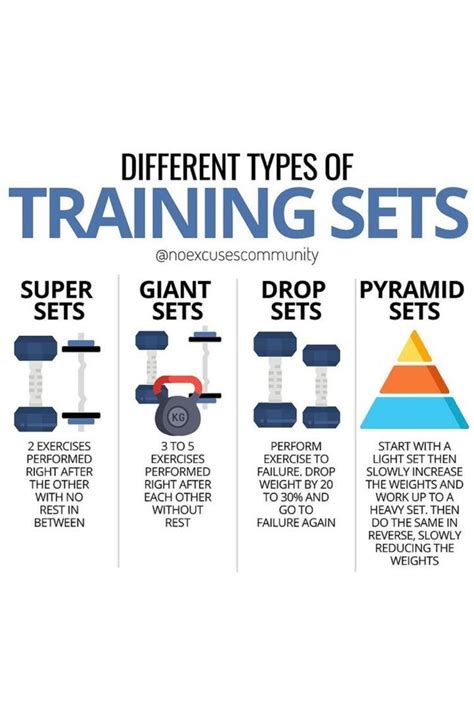
- Drop Sets: After reaching failure on a set, immediately drop the weight by 20-30% and perform more reps to failure. Repeat 1-2 times.
- Super Sets & Giant Sets: Performing two or more exercises back-to-back with minimal rest, targeting either opposing muscle groups (e.g., biceps/triceps) or the same muscle group for enhanced fatigue.
- Partial Reps & Forced Reps: With a spotter, push beyond failure by completing partial reps or having assistance for a few extra reps. Use cautiously.
- Negative Reps: Focus solely on the eccentric (lowering) phase of a lift with a heavier-than-normal weight, usually with a spotter assisting the concentric phase. This can cause significant muscle damage and subsequent growth.
- Rest-Pause Training: Perform a set to failure, rest for a short period (10-20 seconds), then perform a few more reps with the same weight. Repeat for 2-3 mini-sets.
Optimize Nutrition and Recovery Protocols
Training is only half the battle. Your body builds muscle and strength during recovery, not during the workout itself. Neglecting nutrition and recovery is a primary cause of plateaus.
- Caloric Intake: Ensure you are in a slight caloric surplus if your goal is muscle growth. If you’ve been in a deficit for too long, a maintenance or slight surplus phase (a ‘diet break’) can help.
- Protein Intake: Aim for 1.6-2.2 grams of protein per kilogram of body weight to support muscle repair and synthesis.
- Carbohydrates & Fats: Don’t neglect these macronutrients. Carbs fuel your workouts and replenish glycogen stores, while healthy fats are crucial for hormone production.
- Sleep: Prioritize 7-9 hours of quality sleep per night. This is when your body produces growth hormone and repairs muscle tissue most effectively.
- Deload Weeks: Periodically reduce your training volume and/or intensity (e.g., every 6-8 weeks) for a week. This allows your central nervous system and muscles to fully recover, often leading to a strength surge upon returning to full training.

Reassess Form, Mind-Muscle Connection, and Program Structure
Sometimes, the simplest solutions are the most effective. A slight deviation in form can significantly reduce the activation of the target muscle, impeding progress. Record yourself, or have a coach observe your lifts. Focus on the mind-muscle connection, consciously contracting the target muscle throughout the movement.
Furthermore, your training program itself might be the issue. Sticking to the same routine for too long can lead to adaptation resistance. Consider:
- Switching Exercises: Substitute key exercises with variations (e.g., barbell bench press to dumbbell press, back squats to front squats).
- Changing Rep Ranges: Cycle between strength (low reps, high weight) and hypertrophy (moderate reps, moderate weight) phases.
- Periodization: Implement a structured training plan that varies volume, intensity, and exercise selection over time (e.g., block periodization, undulating periodization).
Embrace Variety and Listen to Your Body
Your body thrives on new stimuli. Introduce different modalities like resistance bands, chains, or even bodyweight exercises to complement your primary lifts. Don’t be afraid to take an extra rest day if you feel overly fatigued or experience persistent aches. Overtraining is a fast track to further plateaus and potential injury.
Breaking a strength plateau is a multifaceted challenge that requires patience, consistency, and a willingness to adapt your approach. By strategically manipulating training variables, optimizing nutrition and recovery, and remaining mindful of your body’s signals, you can overcome these obstacles and continue on your path to sustained muscle growth and peak physical performance.