

How to optimize workout intensity for peak muscle growth & recovery?
The Crucial Balance: Intensity for Gains and Restoration
Achieving peak muscle growth isn’t just about lifting heavy; it’s about intelligently optimizing your workout intensity to stimulate adaptation without compromising recovery. Too little intensity, and your muscles won’t have a reason to grow; too much, and you risk overtraining, injury, and a stalled progress. The key lies in understanding what intensity truly means and how to manipulate it for sustained, healthy gains.
Defining Workout Intensity Beyond Heavy Lifts
When most people think of workout intensity, they immediately picture maximal weights. While heavy loads are a component, true intensity encompasses more. It’s about the effort expended relative to your capacity, how close you come to muscular failure, and the overall volume and density of your training.
Two widely used metrics to gauge intensity are Rate of Perceived Exertion (RPE) and Reps In Reserve (RIR). RPE is a subjective scale from 1 (no effort) to 10 (maximal effort), indicating how hard a set felt. RIR, on the other hand, quantifies how many more reps you could have performed with good form before reaching failure. Training with an RPE of 7-9 or an RIR of 1-3 is generally considered optimal for hypertrophy, pushing your muscles close to their limits without always going to absolute failure.
The Sweet Spot: Intensity for Muscle Hypertrophy
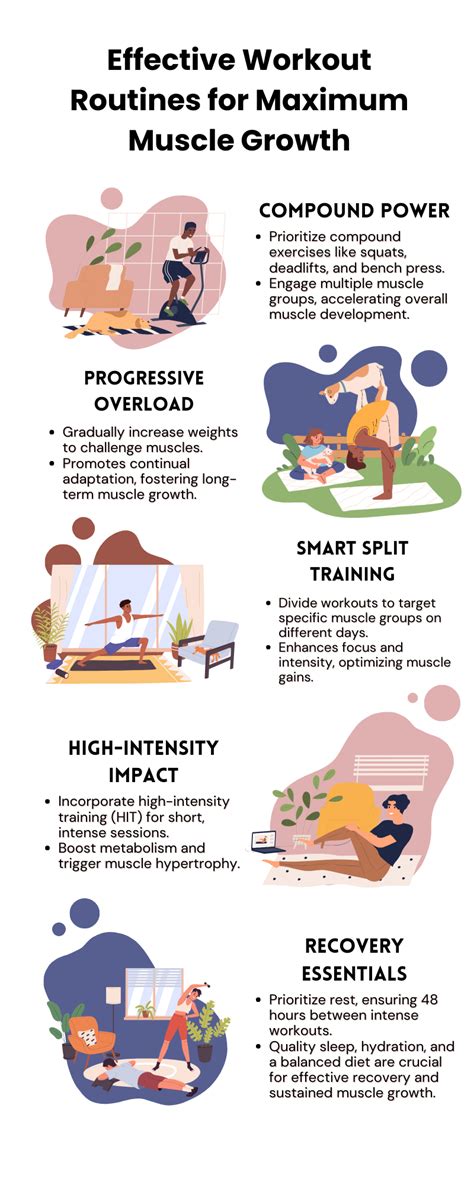
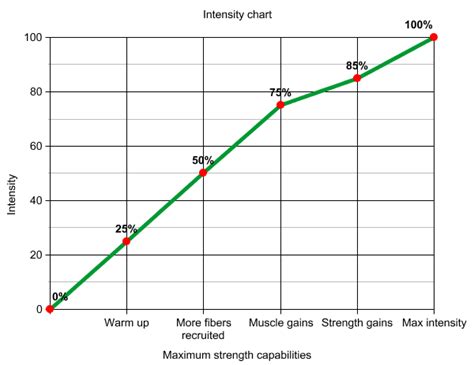
For muscle growth (hypertrophy), the goal is to provide a sufficient stimulus to damage muscle fibers and trigger an adaptive response. This typically involves lifting challenging weights for moderate to high reps (e.g., 6-15 reps) and taking sets close to muscular failure. The principle of progressive overload is paramount here: you must continually increase the demands placed on your muscles over time, whether through heavier weight, more reps, more sets, or improved form and control.
However, constantly training to absolute failure on every set can be overly fatiguing for the central nervous system and hinder recovery. Strategic use of sets to failure, combined with sets leaving 1-3 RIR, allows for high-quality work, minimizes injury risk, and supports better recovery between sessions.

Balancing Intensity with Essential Recovery
The often-overlooked half of the equation is recovery. Your muscles don’t grow in the gym; they grow during the recovery period between workouts. If intensity is too high, volume is excessive, or recovery strategies are lacking, you risk entering a state of overreaching or, eventually, overtraining. Symptoms can include persistent fatigue, decreased performance, mood disturbances, and increased susceptibility to illness.
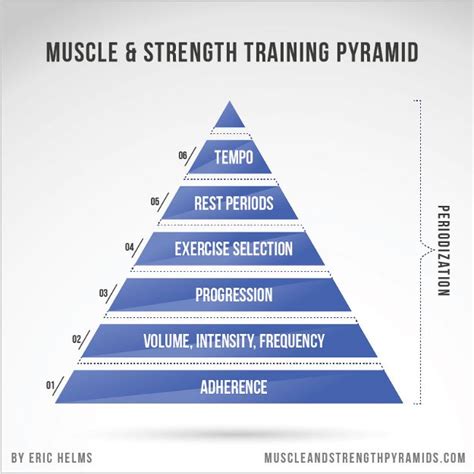
Implementing deload weeks, where intensity and/or volume are significantly reduced, is a smart strategy to manage fatigue, allow connective tissues to repair, and prepare your body for another block of intense training. Periodization, which involves cycling through different phases of training intensity and volume, can also be highly effective in optimizing both stimulus and recovery.
Practical Strategies to Optimize Intensity and Recovery
Progressive Overload Tactics
Beyond simply adding weight, progressive overload can be achieved by: increasing reps with the same weight; performing more sets; reducing rest times between sets (increasing density); improving exercise form and mind-muscle connection; or increasing the frequency of training a muscle group.
Strategic Periodization
Consider structuring your training into blocks. For example, a 3-4 week block of high intensity/volume, followed by a deload week. Or, longer cycles that alternate between accumulation phases (higher volume, moderate intensity) and intensification phases (lower volume, higher intensity).
Listen to Your Body
Pay close attention to signals like persistent muscle soreness, joint pain, poor sleep, lack of motivation, or a sudden drop in performance. These are clear indicators that you might need to back off on intensity or volume, or prioritize recovery.

The Role of Lifestyle Factors in Recovery
Even perfectly optimized workout intensity will fall short if your lifestyle doesn’t support recovery. These factors are non-negotiable for peak muscle growth:
- Nutrition: Adequate protein intake (e.g., 1.6-2.2g/kg body weight) for muscle repair and growth, sufficient carbohydrates for energy and glycogen replenishment, and healthy fats for hormonal balance.
- Sleep: Aim for 7-9 hours of quality sleep per night. This is when the majority of muscle repair and growth hormones are released.
- Stress Management: Chronic stress elevates cortisol, which can impair recovery and muscle growth. Incorporate stress-reducing activities like meditation, yoga, or hobbies.

Putting It All Together for Sustainable Gains
Optimizing workout intensity for peak muscle growth and recovery is a continuous learning process. Start by incorporating RPE/RIR to ensure you’re pushing hard enough, but not always to oblivion. Implement progressive overload in varied ways, and don’t underestimate the power of planned deloads and periodization. Most importantly, view your training and recovery as an integrated system, where nutrition, sleep, and stress management play equally vital roles. By fine-tuning each of these elements, you’ll unlock your full potential for consistent muscle growth and robust, injury-free progress.