


What fitness tech truly optimizes recovery for peak performance?

The Crucial Link Between Recovery and Peak Performance
In the relentless pursuit of peak athletic performance, the spotlight often shines on training intensity, diet, and mental fortitude. However, the unsung hero of sustained excellence is recovery. Without proper recovery, even the most rigorous training can lead to burnout, injury, and plateaus. Fortunately, the landscape of fitness technology has evolved dramatically, offering an array of tools designed not just to track workouts, but to profoundly optimize the recovery process. But with so many gadgets vying for attention, which ones truly make a difference?

Wearable Technology: Your Body’s Personal Data Hub
Modern wearables have moved beyond simple step counting to become sophisticated biometric monitors, providing invaluable insights into your body’s recovery state. The most impactful features include:
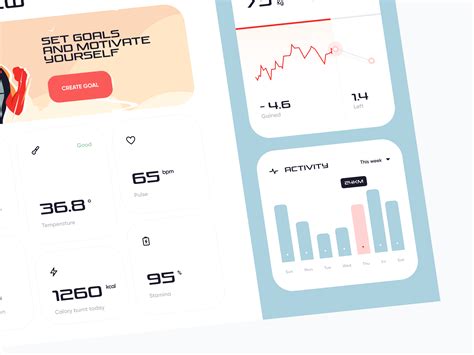
- Heart Rate Variability (HRV): Often considered the gold standard for readiness, HRV measures the variation in time between heartbeats. A higher HRV generally indicates a well-recovered nervous system, while a lower HRV suggests stress or fatigue. Devices like Whoop, Oura Ring, and advanced smartwatches integrate HRV tracking to give daily recovery scores, guiding decisions on whether to push hard or take it easy.
- Sleep Tracking: Sleep is paramount for physical and mental restoration. Advanced wearables track sleep stages (REM, deep, light), sleep duration, disturbances, and even blood oxygen levels. Understanding your sleep architecture can highlight areas for improvement, such as inconsistent sleep schedules or poor sleep quality, directly impacting recovery.
- Activity & Stress Monitoring: Beyond structured workouts, wearables track daily activity and physiological stress responses throughout the day. This holistic view helps identify cumulative stressors that might hinder recovery, allowing for better lifestyle adjustments.
Targeted Recovery Devices: Accelerating Physical Repair
While wearables offer diagnostic insights, other technologies directly intervene to accelerate muscle repair and reduce soreness.
- Percussion Massage Guns: Devices like Theragun and Hypervolt use rapid percussive movements to target deep muscle tissue, increasing blood flow, reducing muscle soreness, and improving range of motion. They are excellent for post-workout cool-downs and pre-workout activation.
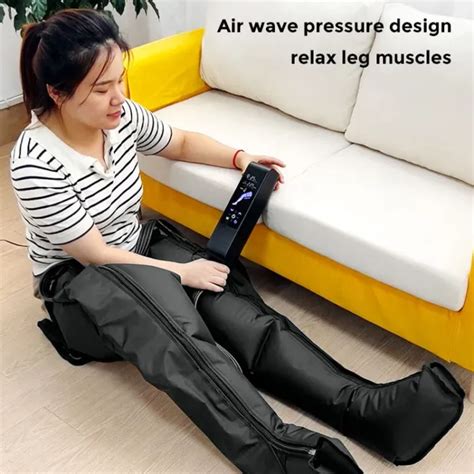
- Compression Therapy Systems: Products such as NormaTec recovery boots use dynamic air compression to massage limbs, enhancing lymphatic drainage and venous return. This helps flush metabolic waste products and reduce inflammation, significantly speeding up recovery, especially after intense leg-dominant activities.
- Electrical Muscle Stimulation (EMS): Devices like Compex apply electrical impulses to muscles, causing contractions. This can be used for active recovery (promoting blood flow without strain), pain relief, and even muscle strengthening, depending on the program.
Mind-Body Integration and Environmental Optimization
Recovery isn’t solely physical; mental and environmental factors play a huge role. Tech is emerging to address these aspects:
- Smart Sleep Environments: Beyond tracking, smart beds, lights (like Philips Hue), and sound machines (e.g., Hatch Restore) create optimal sleep environments, syncing light and sound cues with your circadian rhythm to promote deeper, more restorative sleep.
- Meditation & Mindfulness Apps: Apps like Headspace and Calm, while not physical gear, are crucial tech tools for mental recovery. They provide guided meditations that reduce stress, improve focus, and enhance sleep quality, directly impacting the body’s ability to recover.

The Future is Integrated and Personalized
The most effective recovery tech doesn’t operate in a vacuum. The future lies in integrated ecosystems where data from various devices (wearables, smart scales, smart gym equipment) converges to provide a holistic, AI-driven recovery plan. Imagine a system that analyzes your HRV, sleep quality, training load, and even nutrition to suggest specific recovery protocols – whether it’s a longer foam roll session, targeted compression, or an earlier bedtime.
Conclusion: Informed Choices for Optimized Recovery
Ultimately, the fitness tech that truly optimizes recovery for peak performance is not a single gadget, but a thoughtful combination of tools that provide actionable insights and targeted support. Prioritize wearables for understanding your body’s readiness and recovery status through metrics like HRV and sleep. Complement this with active recovery tools like massage guns or compression therapy for direct physical relief and accelerated repair. By leveraging these technologies intelligently, athletes can move beyond guesswork, listen to their bodies with greater precision, and consistently optimize their recovery to unlock their fullest potential and achieve sustained peak performance.