




How can busy men optimize training to break plateaus & maximize performance gains?

The Busy Man’s Dilemma: Time vs. Gains
For men juggling demanding careers, family responsibilities, and social commitments, finding time for effective training can feel like an Olympic sport in itself. The dream of consistent progress, breaking personal records, and seeing tangible physical changes often clashes with the harsh reality of a packed schedule. This frequently leads to frustration, burnout, and – worst of all – hitting stubborn training plateaus.
However, being busy doesn’t mean sacrificing your fitness goals. It simply requires a smarter, more strategic approach to training. The key isn’t necessarily more time in the gym, but rather optimizing the time you do have, coupled with intelligent recovery and nutrition strategies.

Mastering Time-Efficient Training
The foundation for busy men lies in making every minute count. This means prioritizing exercises and methods that yield the biggest bang for your buck.
- Compound Movements Are King: Focus on exercises that engage multiple muscle groups simultaneously. Think squats, deadlifts, bench presses, overhead presses, and rows. These movements are incredibly effective for building overall strength, muscle mass, and burning calories in less time.
- Supersets & Giant Sets: Maximize your workout density by pairing exercises with minimal rest in between. Supersetting antagonist muscle groups (e.g., chest press and row) or a compound with an isolation exercise can cut down workout time significantly while increasing intensity.
- High-Intensity Interval Training (HIIT): For cardiovascular fitness and fat loss, short bursts of intense exercise followed by brief recovery periods can be more time-efficient than long, steady-state cardio sessions.
Strategic Programming for Continuous Progress
Randomly hitting the gym won’t get you far. To break plateaus and keep making gains, intelligent programming is non-negotiable.
- Progressive Overload: This is the fundamental principle of muscle growth and strength gain. You must continually challenge your muscles by gradually increasing the weight, reps, sets, decreasing rest time, or improving technique over time. Without progressive overload, your body has no reason to adapt and grow stronger.
- Periodization: Don’t train at maximum intensity all year round. Incorporate cycles of higher intensity/lower volume and lower intensity/higher volume. This helps prevent overtraining, aids recovery, and keeps your body adapting.
- Deload Weeks: Every 6-10 weeks, consider a deload week where you significantly reduce volume, intensity, or both. This allows your central nervous system and joints to recover, preventing injuries and setting you up for renewed progress.

The Unsung Heroes: Nutrition & Recovery
You can optimize your training all you want, but without proper fuel and rest, gains will be minimal and plateaus inevitable.
- Prioritize Protein: Aim for 1.6-2.2 grams of protein per kilogram of body weight daily to support muscle repair and growth. Spread your protein intake across multiple meals.
- Smart Carbohydrate Timing: Consume carbohydrates around your workouts (pre and post) to fuel performance and replenish glycogen stores, aiding recovery.
- Adequate Healthy Fats: Don’t shun fats. They are crucial for hormone production and overall health.
- Sleep is Non-Negotiable: Aim for 7-9 hours of quality sleep per night. This is when your body repairs and rebuilds. Poor sleep directly impacts recovery, energy levels, and hormonal balance.
- Hydration: Stay consistently hydrated throughout the day. Dehydration impairs performance, focus, and recovery.

Breaking Through Stubborn Plateaus
When progress stalls, it’s time to re-evaluate and implement specific strategies.
- Identify the Root Cause: Is it overtraining (too much volume/intensity, poor recovery)? Undereating (not enough calories/protein)? A stale routine? Lack of progressive overload?
- Vary Your Rep Scheme: If you always train in the 8-12 rep range, try some cycles of 3-5 reps for strength or 15-20 reps for hypertrophy/endurance.
- Change Exercise Variations: If your bench press is stuck, try dumbbell bench press, incline press, or floor press for a few weeks to hit the muscles from a different angle.
- Focus on Weaknesses: Identify your sticking points in compound lifts and incorporate accessory exercises to strengthen those specific muscles.
- Improve Technique: Sometimes, a slight tweak in form can unlock new strength and prevent injury. Consider filming your lifts.

Consistency and Adaptability: The Long Game
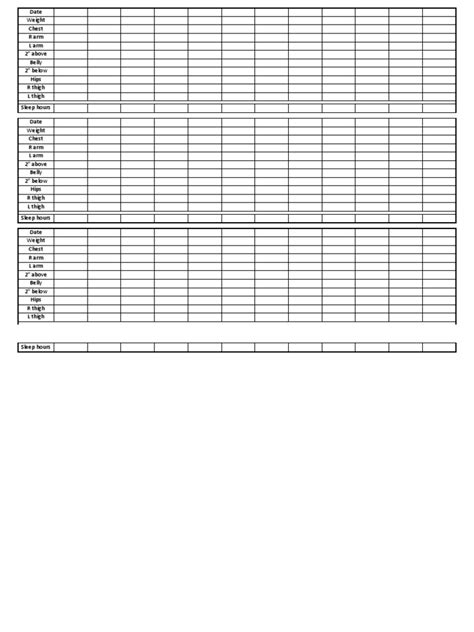
Maximizing performance gains isn’t about one perfect workout; it’s about consistent effort over time and the willingness to adapt. Track your workouts, nutrition, and even sleep. This data provides invaluable insights into what works and what needs adjustment. Be patient, trust the process, and remember that plateaus are simply opportunities to learn and grow stronger.
Conclusion
Busy men don’t have to choose between their demanding lives and their fitness aspirations. By implementing time-efficient training strategies, embracing smart programming, prioritizing nutrition and recovery, and proactively addressing plateaus, you can not only continue to make significant gains but also enhance your overall well-being and energy levels to tackle everything else life throws your way. Optimize smart, train hard, recover harder.