





What diet changes optimize men’s energy, focus, and lean muscle?

Fueling Peak Performance: A Dietary Blueprint for Men
For men seeking to elevate their daily performance, sharpen mental acuity, and build a strong, lean physique, diet is not merely about sustenance – it’s a foundational pillar. Strategic dietary changes can unlock significant improvements in energy, focus, and muscle growth, moving beyond basic nutrition to a targeted approach that supports masculine physiology.
Understanding how specific foods and eating patterns impact various aspects of health is crucial. This guide will explore the key dietary adjustments that can help men achieve optimal physical and mental vitality.

Macronutrient Mastery: The Foundation of Men’s Diet
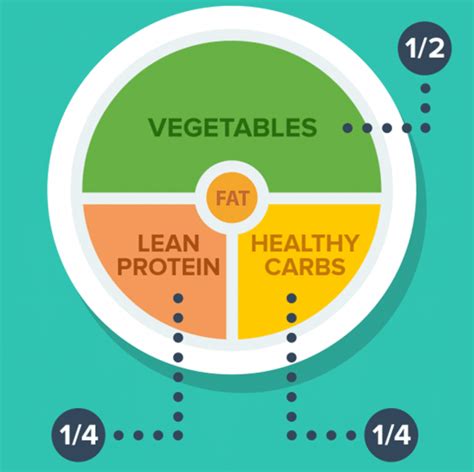
The trifecta of macronutrients – protein, carbohydrates, and fats – forms the bedrock of any effective diet. For men targeting energy, focus, and muscle, the balance and quality of these macros are paramount.
Protein: The Muscle Builder
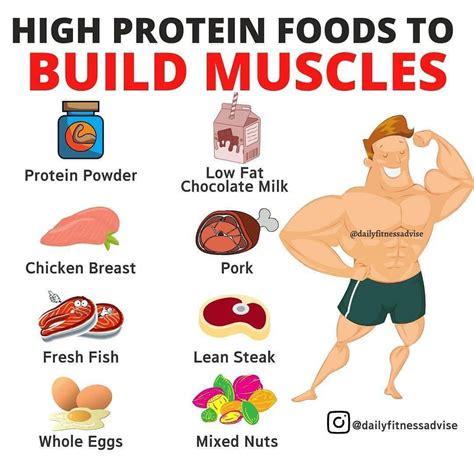
Adequate protein intake is non-negotiable for lean muscle development and repair. Men should aim for 1.6-2.2 grams of protein per kilogram of body weight daily, distributed across meals. Sources like lean meats (chicken breast, lean beef), fish (salmon, cod), eggs, dairy (Greek yogurt, cottage cheese), and plant-based options (lentils, beans, tofu) provide essential amino acids.
Complex Carbohydrates: Sustainable Energy
Often misunderstood, carbohydrates are vital for sustained energy, especially for physically active men. Opt for complex carbohydrates such as whole grains (oats, brown rice, quinoa), sweet potatoes, and fruits. These provide a steady release of glucose, preventing energy crashes and fueling both physical workouts and cognitive functions.
Healthy Fats: Brain Power and Hormonal Health
Healthy fats are critical for brain function, hormone production (including testosterone), and nutrient absorption. Incorporate sources like avocados, nuts (almonds, walnuts), seeds (chia, flax), olive oil, and fatty fish (salmon). Omega-3 fatty acids, in particular, are renowned for their anti-inflammatory properties and cognitive benefits.
Targeting Energy and Focus Through Food
Beyond macronutrient ratios, specific foods and eating habits can directly impact energy levels and mental sharpness.
Consistent Meal Timing and Portion Control
Eating regular, balanced meals and snacks prevents drastic blood sugar fluctuations, which can lead to energy dips and difficulty concentrating. Aim for 3 main meals and 1-2 small snacks, ensuring each includes a mix of protein, complex carbs, and healthy fats.
Hydration: The Unsung Hero
Dehydration, even mild, can significantly impair cognitive function, mood, and physical energy. Men should aim to drink at least 3-4 liters of water daily, more if active or in hot climates. Herbal teas and water-rich fruits/vegetables also contribute to hydration.
Micronutrient Powerhouses for Cognitive Function
Vitamins and minerals play a crucial role. B vitamins are essential for energy metabolism, while magnesium supports nerve function and muscle contraction. Iron is vital for oxygen transport, preventing fatigue. Zinc is important for immune function and testosterone production. A diverse diet rich in fruits, vegetables, and whole foods typically provides these micronutrients.

Optimizing for Lean Muscle Growth and Recovery
While protein is central, other dietary factors support muscle accretion and efficient recovery.
Peri-Workout Nutrition
Consuming a balanced meal or snack with protein and carbohydrates before and after workouts can maximize performance and recovery. Pre-workout carbs provide energy, while post-workout protein and carbs aid muscle repair and glycogen replenishment.
Crucial Role of Micronutrients in Muscle Health
Beyond the basics, nutrients like Vitamin D (for bone health and testosterone), calcium (for muscle contraction), and potassium (for fluid balance and nerve signals) are vital for muscle health and overall athletic performance. Ensure your diet includes dairy products, leafy greens, and a variety of fruits and vegetables.
Foods to Embrace and Foods to Limit
Embrace:
- Lean Proteins: Chicken, turkey, fish, lean beef, eggs, Greek yogurt, cottage cheese, tofu, lentils.
- Complex Carbohydrates: Oats, brown rice, quinoa, sweet potatoes, whole-wheat bread, fruits, vegetables.
- Healthy Fats: Avocados, nuts, seeds (chia, flax), olive oil, fatty fish.
- Hydration: Water, herbal teas.
- Nutrient-Dense Vegetables: Leafy greens, broccoli, bell peppers, berries.
Limit:
- Processed Foods: Sugary cereals, fast food, packaged snacks.
- Refined Sugars: Soda, candies, excessive desserts.
- Unhealthy Fats: Trans fats, excessive saturated fats found in deep-fried foods and some processed snacks.
- Excessive Alcohol: Can impair nutrient absorption and muscle recovery.

Conclusion: Consistency is Key
Optimizing diet for enhanced energy, focus, and lean muscle in men is a journey of consistency and informed choices. By prioritizing a balanced intake of high-quality macronutrients, staying well-hydrated, focusing on nutrient-dense whole foods, and strategically timing meals, men can significantly improve their physical and mental performance. Remember that individual needs may vary, so listening to your body and consulting with a nutrition professional can further refine your dietary blueprint for peak health.