




Optimize recovery to maximize workout performance and strength?

The Unsung Hero: Why Recovery Isn’t Optional for Peak Performance
In the pursuit of greater strength, endurance, and overall fitness, many often focus solely on the intensity and volume of their workouts. While challenging your body is essential for adaptation, true progress isn’t made in the gym; it’s made during the recovery period that follows. Recovery is not merely rest; it’s an active and multifaceted process where your body repairs damaged tissues, replenishes energy stores, adapts to stress, and rebuilds itself stronger than before. Neglecting recovery is akin to constantly tearing down a building without ever allowing it to be reconstructed—eventually, it will crumble. Understanding and prioritizing recovery is the game-changer for anyone serious about maximizing their workout performance and strength.

The Core Pillars of Effective Recovery
Effective recovery is built upon several fundamental pillars, each playing a critical role in restoring your body to optimal function and preparing it for the next challenge.
Sleep: The Ultimate Regenerator
Sleep is arguably the most crucial component of recovery. During deep sleep cycles, your body releases growth hormone, which is vital for muscle repair and growth. It’s also when your central nervous system (CNS) recovers from the stress of training, preventing burnout and fatigue. Aim for 7-9 hours of quality sleep per night to allow your body and mind to fully recuperate.
Nutrition: Fueling Repair and Growth
What you consume post-workout directly impacts your body’s ability to repair and rebuild. Adequate protein intake is essential for muscle protein synthesis, while carbohydrates replenish glycogen stores depleted during exercise. Micronutrients from fruits, vegetables, and whole grains support overall cellular function and reduce inflammation. Timing your nutrient intake, especially protein and carbs after a workout, can significantly accelerate recovery.
![How to Create a Lead Generation Posts on LinkedIn [+Examples] | Dripify](/images/aHR0cHM6Ly90czIubW0uYmluZy5uZXQvdGg/aWQ9T0lQLkEySEp6alJrT1c3UkJZUmNCUGotRGdIYURhJnBpZD0xNS4x.webp)
Hydration: Essential for Cellular Function
Water plays a critical role in every bodily function, including nutrient transport, waste removal, joint lubrication, and temperature regulation. Even slight dehydration can impair performance and delay recovery. Consistent hydration throughout the day, not just during workouts, is key to maintaining optimal physiological processes.
Active Recovery: Gentle Movement for Healing
While complete rest days are important, active recovery involves low-intensity exercise like walking, light cycling, or swimming. This gentle movement helps increase blood flow, delivering nutrients to tired muscles and aiding in the removal of metabolic waste products, without adding significant stress to the body.
Stress Management: A Holistic Approach
Physical stress from workouts is compounded by psychological stress from daily life. Chronic stress elevates cortisol levels, which can hinder muscle growth and impair recovery. Incorporating stress-reducing practices like meditation, yoga, mindfulness, or simply spending time in nature can significantly enhance your body’s ability to recover.

How Recovery Drives Performance and Strength Gains
The link between effective recovery and improved performance is direct and undeniable. When you prioritize recovery, you enable your body to:
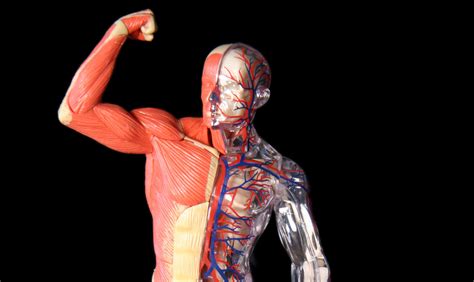
- Repair Muscle Damage: Intense workouts cause microscopic tears in muscle fibers. Recovery allows these fibers to repair and grow back stronger, a process known as supercompensation.
- Replenish Energy Stores: Glycogen (stored carbohydrates) is the primary fuel source for high-intensity exercise. Recovery time, coupled with proper nutrition, replenishes these stores, ensuring you have ample energy for your next session.
- Restore Central Nervous System (CNS) Function: Heavy lifting and complex movements tax your CNS. Adequate recovery prevents CNS fatigue, which can manifest as reduced strength, poor coordination, and decreased motivation.
- Optimize Hormonal Balance: Sleep and stress management positively influence anabolic hormones (like testosterone and growth hormone) that are crucial for muscle building, while helping to regulate catabolic hormones (like cortisol) that break down muscle tissue.
- Reduce Injury Risk: A well-recovered body is more resilient, less prone to overuse injuries, and better able to handle the demands of training.
Practical Strategies to Optimize Your Recovery
Integrating recovery into your routine doesn’t have to be complicated. Here are some actionable strategies:
- Establish a Consistent Sleep Schedule: Go to bed and wake up at roughly the same time each day, even on weekends. Create a relaxing bedtime routine.
- Prioritize Post-Workout Nutrition: Consume a meal or snack containing protein and carbohydrates within 30-60 minutes after your workout.
- Stay Hydrated Throughout the Day: Carry a water bottle and sip frequently. Electrolytes may be beneficial during prolonged or intense sessions.
- Incorporate Active Recovery Days: On non-training days, engage in light activities that promote blood flow without excessive strain.
- Practice Mobility and Stretching: Regular stretching, foam rolling, or dynamic warm-ups/cool-downs can improve flexibility and reduce muscle soreness.
- Manage Stress Effectively: Dedicate time daily to relaxation techniques, hobbies, or social connection to mitigate mental stress.
- Listen to Your Body: Pay attention to signs of overtraining, such as persistent fatigue, decreased performance, or mood changes, and adjust your training or recovery accordingly.
Conclusion: Invest in Recovery, Reap the Rewards
Treating recovery as an integral part of your training regimen, rather than an afterthought, is the key to unlocking your full potential. By dedicating time and effort to optimizing sleep, nutrition, hydration, and stress management, you not only protect your body from burnout and injury but also create the optimal environment for muscle growth, strength gains, and peak workout performance. Remember, the strongest individuals aren’t just those who train the hardest, but those who recover the smartest.