





Optimize workout recovery for faster muscle growth and peak performance?

Why Recovery is the Unsung Hero of Your Fitness Journey
Many athletes and fitness enthusiasts meticulously plan their workouts, focusing on intensity, volume, and progressive overload. While these aspects are crucial for stimulating adaptation, true progress—faster muscle growth, improved strength, and sustained peak performance—is often made outside the gym. Recovery isn’t just a passive downtime; it’s an active, essential process where your body repairs, rebuilds, and strengthens itself in response to the training stimulus. Neglecting recovery is akin to constantly tearing down a building without ever allowing for its reconstruction.
Understanding and implementing effective recovery strategies can be the differentiating factor between hitting plateaus and continually reaching new personal bests. It minimizes injury risk, reduces fatigue, and ensures you’re ready to tackle your next session with optimal energy and focus.

The Pillars of Effective Workout Recovery
Optimizing recovery requires a multi-faceted approach, addressing various physiological and psychological needs. Here are the key pillars you must focus on:
1. Prioritize Sleep: The Ultimate Anabolic State
Sleep is arguably the most critical component of recovery. During deep sleep, your body releases growth hormone, which is vital for muscle repair and growth. It’s also when your central nervous system (CNS) recovers, replenishes glycogen stores, and consolidates motor skills. Aim for 7-9 hours of high-quality sleep per night. Establish a consistent sleep schedule, create a dark, cool, and quiet sleep environment, and avoid screens before bed to improve sleep quality.
2. Fuel Your Body: Strategic Nutrition
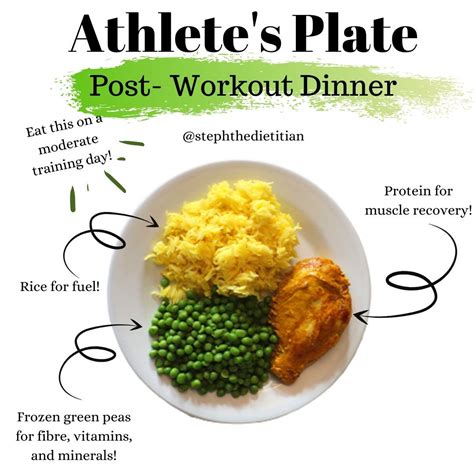
What you eat, and when you eat it, profoundly impacts your body’s ability to recover. Post-workout nutrition is particularly important for initiating repair processes.
- Protein Intake: Consume adequate protein throughout the day, especially post-workout. Protein provides the amino acid building blocks necessary for muscle repair and synthesis. Aim for 20-40 grams of high-quality protein within an hour or two after training.
- Carbohydrate Replenishment: Intense workouts deplete muscle glycogen stores. Replenishing these with complex carbohydrates is crucial for restoring energy levels and preventing muscle breakdown. Combine carbs with protein for optimal nutrient uptake.
- Hydration: Dehydration significantly impairs performance and recovery. Drink plenty of water throughout the day, especially before, during, and after workouts. Electrolytes can also be beneficial during prolonged or intense training sessions.
- Micronutrients and Antioxidants: A diet rich in fruits, vegetables, and healthy fats provides essential vitamins, minerals, and antioxidants that combat exercise-induced inflammation and support overall bodily functions.
3. Active Recovery and Mobility Work
While rest is important, complete inactivity isn’t always the best approach. Active recovery, such as light cardio (walking, cycling) or low-intensity movement, can help increase blood flow, deliver nutrients to fatigued muscles, and aid in waste product removal without adding significant stress. Incorporate mobility work like foam rolling, dynamic stretching, and static stretching to improve range of motion, reduce muscle soreness, and prevent stiffness.

4. Stress Management and Mental Well-being
Chronic stress, whether from training or daily life, elevates cortisol levels, which can hinder muscle growth and impair recovery. Implementing stress-reducing techniques like meditation, deep breathing exercises, spending time in nature, or engaging in hobbies can significantly impact your recovery capacity. A relaxed mind contributes to a relaxed body, fostering an environment conducive to optimal repair and adaptation.

Listening to Your Body: The Ultimate Recovery Tool
While these general guidelines are excellent starting points, the most effective recovery strategy is always individualized. Pay attention to your body’s signals. Are you constantly fatigued? Experiencing persistent muscle soreness? Seeing a decline in performance? These are indicators that you might need more recovery. Don’t be afraid to deload, take an extra rest day, or adjust your training intensity based on how you feel. Incorporating tools like heart rate variability (HRV) tracking can also provide objective insights into your recovery status.

Conclusion: Make Recovery a Priority, Not an Afterthought
To truly unlock your potential for faster muscle growth and sustain peak performance, shift your mindset from viewing recovery as an optional add-on to considering it an integral, non-negotiable part of your training regimen. By strategically prioritizing sleep, optimizing nutrition, engaging in active recovery, and managing stress, you’ll not only accelerate your physical adaptations but also enhance your overall well-being, ensuring longevity and continued progress in your fitness journey.