




What pre/post-workout nutrition strategies optimize strength and recovery for men?

Fueling for Peak Performance: The Role of Nutrition
For men dedicated to building strength, gaining muscle, and achieving optimal recovery, nutrition is not just an afterthought—it’s the cornerstone of success. What you consume before and after your workouts directly impacts your energy levels, muscle protein synthesis, glycogen replenishment, and overall adaptation to training. Understanding and implementing smart pre and post-workout strategies can be the differentiating factor between plateauing and continually progressing.

Pre-Workout Nutrition: Priming Your Body for Action
The goal of pre-workout nutrition is to provide your body with the necessary fuel to perform at its best, prevent muscle breakdown, and ensure sustained energy throughout your session. The timing and composition of this meal are crucial.
Carbohydrates: Your Primary Energy Source
- Why: Carbohydrates are stored as glycogen in your muscles and liver, serving as the body’s preferred fuel source during high-intensity exercise. Adequate carb intake prevents fatigue and allows for more strenuous, longer workouts.
- What: Focus on complex carbohydrates (e.g., oats, whole-wheat bread, brown rice, sweet potatoes) 2-3 hours before training for sustained energy release. If you’re closer to your workout (30-60 minutes), opt for simpler carbs (e.g., fruit, rice cakes) that are quicker to digest.
Protein: Muscle Protection and Synthesis
- Why: Consuming protein before a workout provides amino acids, which can help reduce muscle damage during exercise and initiate the muscle repair process early.
- What: A moderate amount of lean protein (e.g., chicken breast, whey protein, Greek yogurt) along with your carbohydrates is ideal. Aim for 20-30 grams.
Healthy Fats: Use Sparingly Pre-Workout
- Why: While essential for overall health, fats slow down digestion. Large amounts of fat immediately before a workout can lead to gastrointestinal discomfort.
- What: Keep fat intake low in your immediate pre-workout meal.

Post-Workout Nutrition: Accelerating Recovery and Growth
After a demanding workout, your body is in a state of repair and rebuilding. Post-workout nutrition aims to replenish glycogen stores, repair damaged muscle tissue, and promote muscle protein synthesis. This is often referred to as the ‘anabolic window,’ though its exact timing is less rigid than once thought.
Protein: The Building Blocks of Muscle
- Why: Resistance training causes micro-tears in muscle fibers. Protein provides the amino acids necessary to repair these tears and build new muscle tissue. It’s critical for muscle protein synthesis (MPS).
- What: Aim for 20-40 grams of fast-digesting protein (like whey protein, lean meats, eggs) within 30-60 minutes post-workout, and continue regular protein intake throughout the day.
Carbohydrates: Replenishing Energy Reserves
- Why: Glycogen stores are depleted during exercise. Consuming carbohydrates post-workout helps to quickly replenish these stores, which is vital for recovery, especially if you train frequently.
- What: A 2:1 or 3:1 ratio of carbohydrates to protein is often recommended for optimal glycogen resynthesis. Choose a mix of simple and complex carbs (e.g., fruit, white rice, potatoes).
Hydration: Often Overlooked
Water is crucial for every bodily function, including nutrient transport and temperature regulation. Losing even 2% of your body weight in fluid can impair performance. Drink water consistently throughout the day, and increase intake before, during, and after workouts. Electrolyte-containing beverages can be beneficial for longer, more intense sessions.

Key Supplements for Enhanced Results
While whole foods should always form the foundation, certain supplements can complement your nutrition strategy for men seeking maximum strength and recovery.
- Creatine: Enhances strength, power, and muscle mass by increasing the availability of ATP (adenosine triphosphate), the primary energy carrier during short bursts of activity. Can be taken pre or post-workout.
- Whey Protein: A fast-digesting protein source ideal for post-workout muscle repair and growth.
- BCAAs (Branched-Chain Amino Acids): While less critical if adequate protein is consumed, BCAAs (leucine, isoleucine, valine) can help reduce muscle soreness and fatigue, particularly during fasted training.
- Omega-3 Fatty Acids: Known for their anti-inflammatory properties, which can aid in recovery and reduce muscle soreness.

Individualization and Consistency are Key
It’s important to remember that nutritional needs vary based on individual factors such as body weight, training intensity, type of exercise, specific goals (e.g., bulking vs. cutting), and metabolism. Experiment to find what works best for your body and your schedule. The most effective strategy is one you can consistently adhere to.
Conclusion: A Holistic Approach to Strength and Recovery
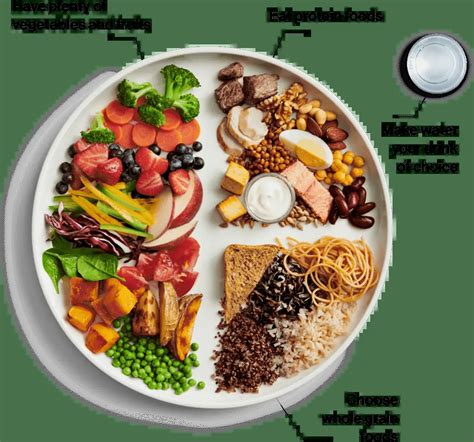
Optimizing pre and post-workout nutrition is a powerful tool in any man’s fitness arsenal. By strategically fueling your body with the right balance of carbohydrates, protein, and healthy fats, alongside adequate hydration, you can significantly enhance your strength, accelerate muscle recovery, minimize soreness, and ultimately achieve your physical potential. Treat your body like a high-performance machine, and nourish it accordingly for consistent, optimal results.