





Beyond sleep, how can men optimize workout recovery for peak daily performance?

For many men, the quest for peak physical performance often focuses heavily on what happens during the workout itself – the reps, the weights, the intensity. While crucial, the real secret to unlocking sustained energy, faster muscle growth, and enhanced daily function lies not just in how you train, but how diligently you recover. Sleep is foundational, undoubtedly, but true optimization of recovery extends far beyond a good night’s rest. It encompasses a holistic approach that impacts everything from cognitive sharpness to hormonal balance.
Fueling Recovery: The Power of Post-Workout Nutrition
Your body’s repair process begins the moment you finish your last rep. What you consume in the immediate aftermath can significantly accelerate or hinder this process. Focus on a combination of high-quality protein and carbohydrates. Protein provides the essential amino acids needed to repair and rebuild muscle tissue, while carbohydrates replenish glycogen stores depleted during exercise, restoring energy levels for both your next workout and your daily demands. Aim for a meal or shake within 30-60 minutes post-workout, prioritizing lean meats, eggs, dairy, or plant-based proteins alongside complex carbs like sweet potatoes, oats, or whole grains.

Hydration: The Unsung Hero of Performance
Often overlooked, proper hydration is absolutely critical for every physiological process involved in recovery. Water transports nutrients, lubricates joints, regulates body temperature, and helps remove metabolic waste products. Dehydration, even mild, can impair muscle function, reduce strength, and delay recovery. Don’t wait until you’re thirsty; sip water consistently throughout the day, especially before, during, and after workouts. Electrolytes, particularly sodium, potassium, and magnesium, also play a vital role and should be replenished, especially after intense or prolonged sessions.
Active Recovery and Mobility Work
While rest days are essential, complete inactivity isn’t always the most effective strategy. Active recovery, such as light cardio (walking, cycling), gentle stretching, or foam rolling, can help increase blood flow to muscles, reduce soreness, and improve flexibility without adding stress. Incorporating mobility work, like dynamic stretches or yoga, can enhance range of motion, prevent injuries, and ensure your body is ready to move optimally throughout the day, not just during your training sessions.

Stress Management: Beyond the Gym
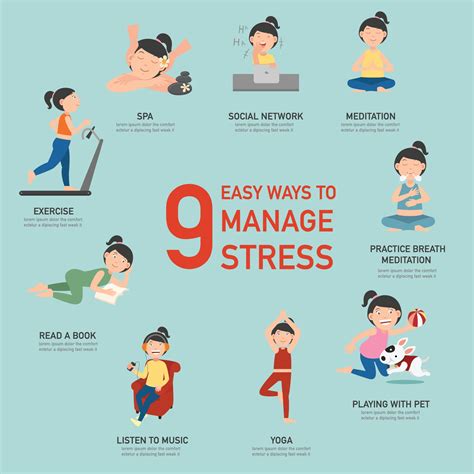
The stress of daily life – work, relationships, finances – can be just as detrimental to recovery as a grueling workout. Chronic stress elevates cortisol levels, a hormone that can break down muscle tissue and impede recovery. Implementing stress-reduction techniques like meditation, deep breathing exercises, spending time in nature, or engaging in hobbies can significantly lower cortisol, allowing your body to dedicate more resources to repair and regeneration. Prioritizing mental well-being is not separate from physical recovery; it’s an integral part.
The Benefits of Hot and Cold Exposure
Exploring hot and cold therapies can provide significant recovery advantages. Cold showers, ice baths, or cryotherapy can help reduce inflammation and muscle soreness by constricting blood vessels, followed by a rush of fresh, oxygenated blood upon warming. Conversely, sauna use or hot baths can improve blood flow, relax muscles, and aid in detoxification. Experiment with what works best for your body, but understand that these tools can be powerful adjuncts to your recovery regimen.

Strategic Supplementation and Listening to Your Body
While a whole-food diet should be your primary focus, certain supplements can strategically support recovery. Creatine monohydrate is well-researched for aiding strength and power output and can also assist in recovery. Magnesium helps with muscle relaxation and sleep quality, while BCAAs (branched-chain amino acids) can help reduce muscle breakdown. Always consult with a healthcare professional before starting any new supplement regimen. Most importantly, learn to listen to your body. Pay attention to persistent soreness, fatigue, or decreased performance, as these are signs your body needs more recovery, not more intensity. Adjust your training, nutrition, or rest accordingly.

Conclusion
Optimizing workout recovery is a multi-faceted endeavor that extends far beyond simply getting enough sleep. By strategically focusing on nutrient timing, meticulous hydration, active recovery, stress management, and even targeted therapies like hot and cold exposure, men can significantly enhance their physical regeneration. This holistic approach not only accelerates muscle repair and reduces soreness but also translates into sustained energy, improved focus, and overall peak daily performance, ensuring you’re not just strong in the gym, but excelling in every aspect of your life.