


Optimize your everyday carry for peak preparedness?
The Philosophy of Preparedness: Beyond Just Carrying Gear
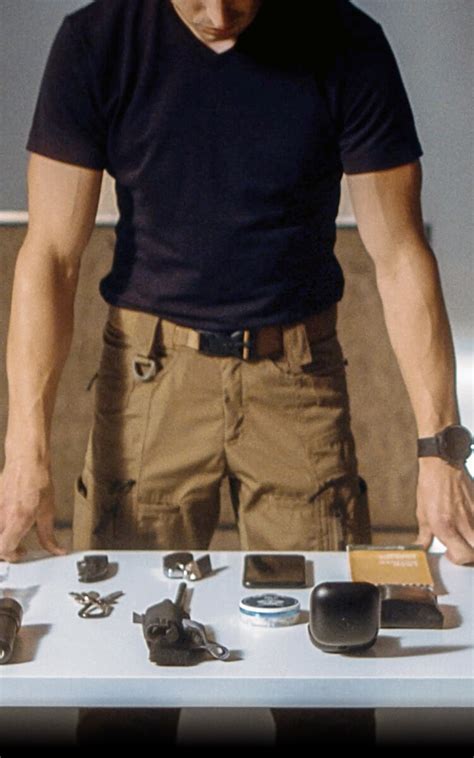
In a world of unpredictable events, from minor inconveniences to significant emergencies, an optimized everyday carry (EDC) is more than just a collection of items—it’s a personal safety net. The goal of optimizing your EDC is not to carry everything, but to carry the right things, efficiently and effectively, ensuring you’re prepared without being burdened. It’s about thoughtful selection, regular assessment, and integrating your gear seamlessly into your daily life.
True preparedness begins with understanding your unique environment, potential threats, and personal capabilities. Are you primarily in an urban setting, or do you frequent rural areas? What are the common emergencies in your locale? Answering these questions forms the foundation for building an EDC that truly serves you.

Core Principles for an Optimized EDC
1. Assess Your Needs and Environment
Before adding anything to your EDC, conduct a thorough audit of your daily routine, work environment, common travel routes, and potential risks. Consider factors like climate, local laws regarding certain tools, and personal skill sets. A suburban office worker’s EDC will differ significantly from that of an outdoor enthusiast or a first responder, even if some core items overlap.
2. Quality Over Quantity
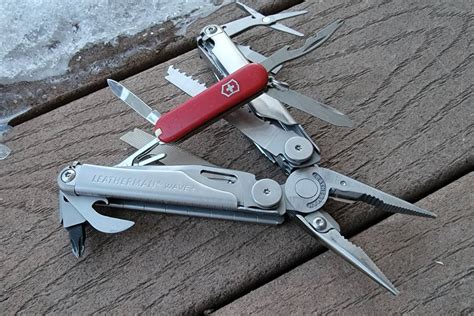
Resist the urge to fill your pockets or bag with cheap, unreliable gear. Invest in high-quality, durable items that you can trust to perform when needed most. A single reliable multi-tool often outperforms several flimsy, single-purpose gadgets. Think long-term utility and resilience.
3. Multi-functionality is Key
Every item in your EDC should earn its place. Prioritize tools and gear that can serve multiple purposes. A high-quality flashlight might also have a strike bezel for self-defense, or a robust pen could double as an impromptu pry tool. This approach minimizes bulk and maximizes utility.
Essential Categories for Your EDC
While everyone’s specific loadout will vary, most effective EDCs cover a few fundamental categories:
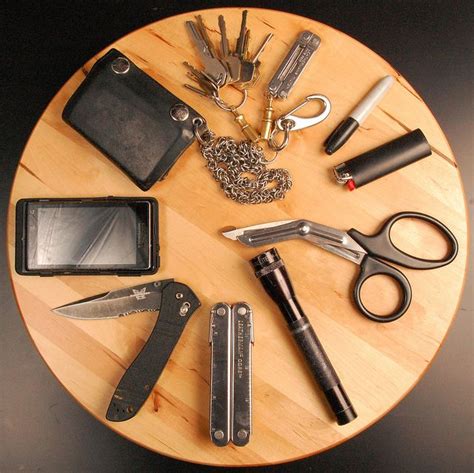
- Cutting Tool: A reliable knife, folding or fixed blade (legal permitting), for utility, self-defense, or emergency tasks.
- Light Source: A compact, powerful flashlight with extra batteries or rechargeable capability. Essential for navigating dark spaces or signaling.
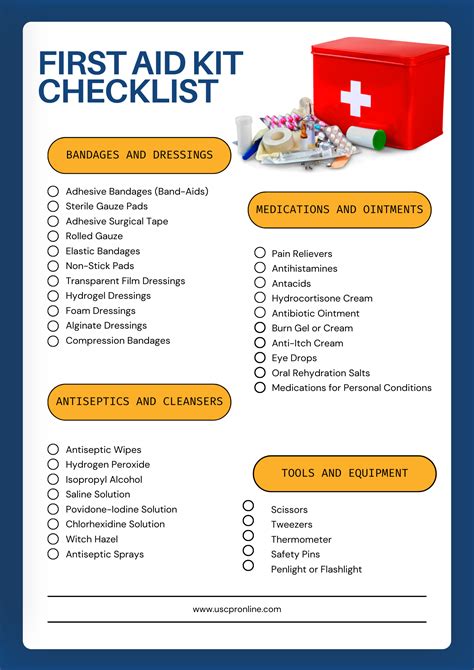
- First Aid: A compact Individual First Aid Kit (IFAK) or a small pouch with basic medical supplies like bandages, antiseptic wipes, pain relievers, and any personal medications.
- Communication/Navigation: Your smartphone is primary, but consider a power bank, a small compass, and knowledge of local geography.
- Fire/Shelter: A lighter, ferro rod, or waterproof matches, coupled with a small emergency blanket or poncho for rudimentary shelter.
- Self-Defense: Depending on legality and personal comfort, this could range from pepper spray to a firearm, always with proper training and responsible carrying.
- Water/Sustenance: A compact water filter or purification tablets, and perhaps an energy bar, especially for longer excursions.
- Information/Documentation: A small notebook, pen, and a copy of important documents or emergency contacts.
The Optimization Process: Refine and Review
1. Regular Testing and Practice
Don’t just carry your gear; know how to use it. Practice deploying your knife, applying a tourniquet, or starting a fire with your ferro rod. Familiarity breeds confidence and speed when time is critical.
2. Customization and Personalization
Your EDC is deeply personal. What works for one person might not work for another. Be prepared to experiment, adjust, and customize your loadout as your needs evolve, new gear becomes available, or you gain more experience.
3. Weight, Bulk, and Accessibility
An optimized EDC is one you’ll actually carry. If it’s too heavy or bulky, you’ll leave it behind. Strive for a balance between capability and portability. Ensure critical items are easily accessible, preferably without needing to remove a bag or dig through layers.
Integrating EDC into Your Lifestyle
Your everyday carry isn’t just about the items; it’s about a mindset of preparedness. It encourages you to be more aware of your surroundings, anticipate potential issues, and develop problem-solving skills. By thoughtfully curating and regularly reviewing your EDC, you transform passive ownership into active readiness.
The journey to an optimized EDC is continuous. It involves learning, adapting, and always seeking ways to be more efficient and capable. Embrace this journey, and you’ll find yourself better equipped for whatever challenges lie ahead.