




How to naturally optimize testosterone for peak energy & strength?
Understanding Testosterone and Its Vital Role
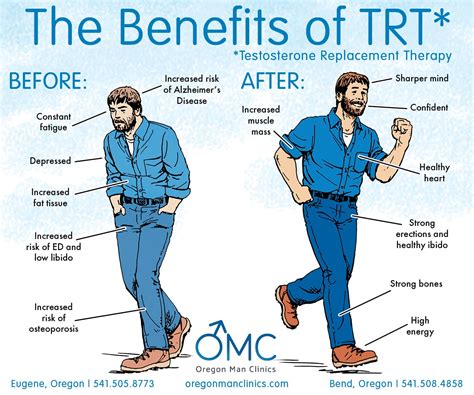
Testosterone, the primary male sex hormone, plays a critical role far beyond just libido. It’s a key driver of energy levels, muscle mass, bone density, mood, and overall vitality. As men age, testosterone levels naturally decline, but modern lifestyles often accelerate this process, leading to symptoms like fatigue, decreased strength, reduced endurance, and even mood disturbances. Fortunately, a holistic approach focusing on natural methods can significantly optimize your testosterone levels, helping you reclaim peak energy and strength without relying on synthetic interventions.
Dietary Powerhouses for Hormone Production
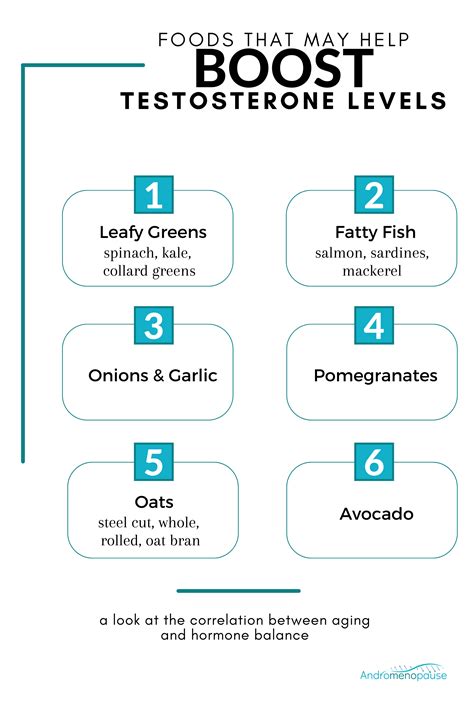
What you eat directly impacts your hormonal balance. To naturally boost testosterone, focus on nutrient-dense whole foods while minimizing processed items, excessive sugars, and unhealthy fats.
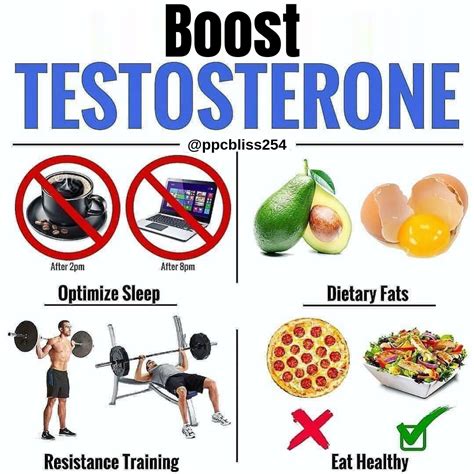
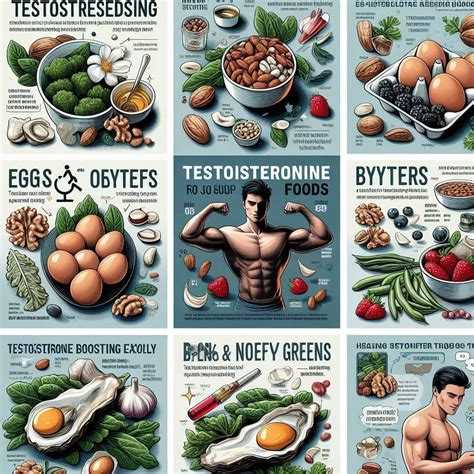
- Healthy Fats: Cholesterol is a precursor to testosterone. Incorporate monounsaturated and saturated fats from sources like avocados, nuts, olive oil, and organic eggs. Avoid trans fats entirely.
- Zinc-Rich Foods: Zinc is crucial for testosterone production. Oysters, red meat, poultry, beans, nuts, and dairy are excellent sources.
- Vitamin D: Often called the ‘sunshine vitamin,’ Vitamin D is a powerful steroid hormone itself and is strongly linked to testosterone levels. Aim for sensible sun exposure, and consume fatty fish (salmon, mackerel), fortified dairy, or consider a high-quality supplement if deficient.
- Cruciferous Vegetables: Broccoli, cauliflower, cabbage, and Brussels sprouts contain compounds that help regulate estrogen, preventing it from becoming too dominant and potentially lowering testosterone.
Strategic Exercise: Beyond Just Lifting
Exercise is a potent stimulator of testosterone, but the type and intensity matter. A balanced routine will yield the best results.
- Strength Training: Compound movements like squats, deadlifts, bench presses, and rows, performed with heavy weights and moderate reps (6-12), are highly effective. Focus on progressively overloading your muscles.
- High-Intensity Interval Training (HIIT): Short bursts of intense activity followed by brief recovery periods can significantly elevate testosterone and growth hormone levels.
- Avoid Overtraining: While intense exercise is good, excessive or prolonged cardio and overtraining can actually suppress testosterone and increase cortisol (the stress hormone). Listen to your body and prioritize recovery.

The Unsung Heroes: Sleep and Stress Management
These two often-overlooked factors have a profound impact on your endocrine system.
- Prioritize Quality Sleep: Most testosterone production occurs during deep sleep. Aim for 7-9 hours of uninterrupted, high-quality sleep per night. Create a consistent sleep schedule, optimize your bedroom environment (dark, cool, quiet), and limit screen time before bed.
- Manage Stress: Chronic stress elevates cortisol, which has an inverse relationship with testosterone. Implement stress-reduction techniques such as meditation, deep breathing exercises, yoga, spending time in nature, or engaging in hobbies you enjoy.

Additional Lifestyle Factors for Optimal Health
Beyond the core pillars, several other lifestyle choices can contribute to healthy testosterone levels:
- Limit Alcohol Intake: Excessive alcohol consumption can directly interfere with testosterone production and increase its conversion to estrogen.
- Maintain a Healthy Weight: Obesity, especially abdominal fat, is strongly linked to lower testosterone. Fat cells contain an enzyme (aromatase) that converts testosterone into estrogen.
- Avoid Endocrine Disruptors: Be mindful of exposure to chemicals found in plastics (BPA), pesticides, and certain personal care products, as these can mimic hormones and disrupt your endocrine system.
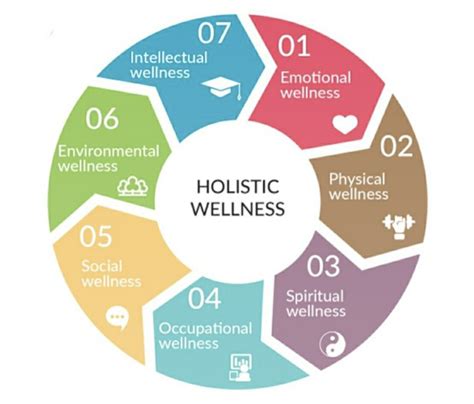
Conclusion: A Holistic Path to Vitality
Optimizing testosterone naturally is not about a quick fix; it’s about adopting a sustainable, healthy lifestyle. By consistently focusing on a nutrient-rich diet, smart exercise, adequate sleep, and effective stress management, you can create an environment where your body thrives, naturally boosting your testosterone for enhanced energy, increased strength, improved mood, and overall peak performance. Consult with a healthcare professional before making significant changes to your diet or exercise routine, especially if you have underlying health conditions.