





How to optimize pre-workout nutrition for sustained energy & peak lifts?

The Foundation of Fueling Your Workout
Optimizing your pre-workout nutrition is not just about avoiding hunger; it’s a strategic approach to enhance your performance, extend your endurance, and kickstart recovery. The right fuel provides the sustained energy needed to push through intense sessions, preventing fatigue and enabling you to hit those peak lifts. Understanding the interplay of macronutrients and timing is key to unlocking your full athletic potential.

Macronutrients for Peak Performance
Carbohydrates: Your Primary Energy Source
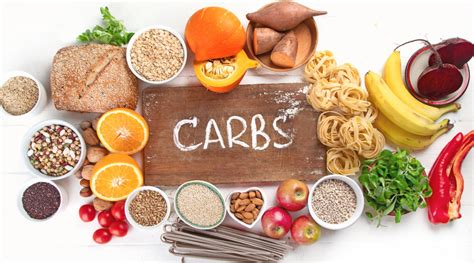
Carbohydrates are the body’s preferred and most efficient source of energy, especially for high-intensity activities like weightlifting. They are converted into glucose, which is stored as glycogen in your muscles and liver. Adequate glycogen stores are critical for sustained energy and preventing premature fatigue. Complex carbohydrates (like oats, whole-grain bread, brown rice, sweet potatoes) digested slowly, providing a steady release of energy. Simple carbohydrates (like fruit or a small amount of honey) can be useful closer to your workout for a quick energy boost, but should be consumed sparingly.
Protein: Muscle Protection and Repair
Consuming protein before a workout helps to prevent muscle protein breakdown, especially during intense training. It supplies your muscles with amino acids, which are the building blocks necessary for muscle repair and growth. Aim for lean protein sources such as chicken breast, turkey, eggs, Greek yogurt, or a protein shake. This pre-emptive protein intake primes your body for recovery even before your workout concludes.
Fats: Sustained, But Slower Energy
While fats are essential for overall health and hormone production, they are not the primary fuel source for intense, short-duration activities. Fats digest more slowly, providing a more sustained but less immediate energy release. Including a small amount of healthy fats (like avocado, nuts, or a small handful of seeds) in a meal consumed a few hours before your workout can be beneficial, but large amounts closer to training may lead to digestive discomfort.
Timing Your Pre-Workout Meal
The timing of your pre-workout meal is as crucial as its composition. The goal is to allow sufficient time for digestion and nutrient absorption without feeling overly full or sluggish.
- 2-3 Hours Before: A balanced meal containing complex carbohydrates, lean protein, and a small amount of healthy fats is ideal. This allows for complete digestion and replenishment of glycogen stores.
- 30-60 Minutes Before: If you’re short on time, opt for a smaller, easily digestible snack rich in simple carbohydrates and some fast-digesting protein. Examples include a banana with a spoonful of peanut butter, a piece of fruit, or a small protein shake.
Hydration is Non-Negotiable
Beyond food, adequate hydration is paramount for optimal performance. Even mild dehydration can significantly impair strength, endurance, and focus. Aim to drink plenty of water throughout the day, and consume 16-20 ounces (around 500-600ml) of water 2-3 hours before your workout. Continue to sip water during your training session.
Considering Supplements (Optional)
While whole foods should always be the foundation, certain supplements can complement your pre-workout nutrition strategy:
- Caffeine: Known for its ergogenic effects, improving focus and reducing perceived exertion.
- Creatine: Enhances strength and power output by increasing ATP regeneration.
- Beta-Alanine: Can help buffer lactic acid, delaying muscle fatigue.
Always consult with a healthcare professional or registered dietitian before adding supplements to your routine.

Personalization and Experimentation
Every individual is unique, and what works best for one person might not work for another. Factors like body weight, metabolism, workout intensity, and personal preferences all play a role. Pay attention to how different foods and timings affect your energy levels, digestion, and performance. Keep a training log to track what you eat and how you perform, allowing you to fine-tune your pre-workout nutrition over time.

Conclusion
Optimizing your pre-workout nutrition is a powerful tool in your fitness arsenal. By strategically combining the right macronutrients at the right time, you can ensure sustained energy, protect your muscles, and ultimately achieve peak performance in the gym. Experiment, listen to your body, and fuel your workouts like a pro to consistently hit your personal bests and accelerate your fitness journey.