




Optimize your shave: Prevent razor burn & ingrowns for peak performance daily?
For many, shaving is a daily ritual, but it can often come with unwelcome companions: razor burn and ingrown hairs. These common irritations can transform a routine into a painful chore, leaving skin red, bumpy, and far from its best. Achieving a consistently smooth, comfortable, and irritation-free shave isn’t about luck; it’s about understanding the science behind skin and hair and adopting a meticulous approach. This article will guide you through the essential steps and techniques to prevent these shaving woes, ensuring your skin looks and feels its peak every single day.
Understanding the Culprits: Razor Burn and Ingrown Hairs
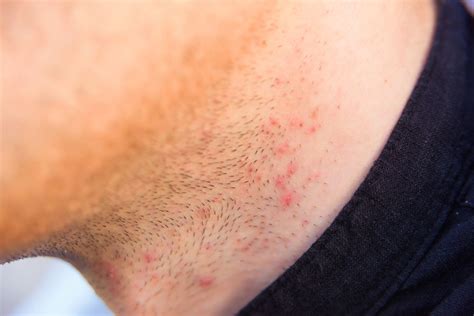
Before we dive into prevention, let’s briefly clarify what we’re up against. Razor burn is an irritation of the skin caused by shaving, often resulting from a dull blade, dry shaving, or shaving against the grain. It manifests as redness, stinging, and sometimes small, red bumps.
Ingrown hairs, on the other hand, occur when a shaved hair curls back into the skin and grows inwards, causing inflammation, redness, and often a painful bump. They are more common in individuals with curly or coarse hair and can be exacerbated by improper shaving techniques or clogged pores.
Pre-Shave Preparation: The Foundation of a Great Shave
The secret to a successful shave often lies in what you do *before* the blade even touches your skin. Proper preparation softens the hair, opens pores, and creates a protective barrier.
- Warm Shower or Hot Towel: Shave after a warm shower or by applying a hot, damp towel to your face for a few minutes. The heat and steam soften the hair follicles and open up pores, making the hair easier to cut and reducing drag.
- Gentle Exfoliation: A mild facial scrub or cleanser with salicylic acid can help remove dead skin cells that might trap hairs, significantly reducing the risk of ingrowns. Do this a few times a week, not necessarily every day you shave.
- Pre-Shave Oil: Apply a few drops of pre-shave oil. This creates an extra layer of lubrication, allowing the razor to glide more smoothly and preventing microscopic nicks and irritation.
- Quality Shave Cream/Gel: Ditch the cheap foams. Invest in a rich, hydrating shave cream or gel. Lather it up thoroughly with warm water, allowing it to sit on your skin for a minute or two before shaving to further soften the hair.
Mastering the Shaving Technique: Precision and Care
How you wield your razor is paramount to preventing irritation.
- Sharp Blade is Non-Negotiable: A dull blade drags, pulls, and causes micro-tears in the skin, leading directly to razor burn. Replace your razor blade every 5-7 shaves, or sooner if you feel any tugging.
- Shave With the Grain (Mostly): For your first pass, always shave in the direction of hair growth. This is the least irritating method. If you need a closer shave, re-lather and make a second pass across the grain, or very gently against the grain in areas less prone to irritation.
- Light Pressure: Let the razor do the work. Pressing too hard doesn’t give a closer shave; it only increases irritation and the risk of nicks.
- Rinse Your Blade Frequently: Clogged blades are ineffective blades. Rinse your razor under hot water after every few strokes to clear away hair and shaving cream.
- Stretch Your Skin (Gently): For a smoother surface, gently stretch the skin taut with your free hand in the area you are shaving.

Post-Shave Ritual: Soothe, Protect, and Hydrate
The care you provide immediately after shaving is just as important as the preparation.
- Cold Water Rinse: Splash your face with cold water immediately after shaving. This helps to close pores and soothe the skin, reducing redness.
- Alcohol-Free Aftershave Balm: Avoid harsh, alcohol-based aftershaves that can dry out and irritate your skin. Opt for a soothing, alcohol-free balm or lotion with ingredients like aloe vera, witch hazel, or chamomile.
- Moisturize: Even if you use a balm, follow up with a good facial moisturizer. Hydrated skin is healthy skin, more resistant to irritation and better at preventing ingrown hairs.
Targeting Ingrown Hairs: Specific Strategies
If you’re particularly prone to ingrowns, here are additional steps:
- Regular Exfoliation: Continue regular, gentle exfoliation (2-3 times a week) to prevent dead skin cells from blocking hair follicles.
- Topical Treatments: Consider using products containing salicylic acid or glycolic acid in your routine. These ingredients help to keep pores clear and encourage hairs to grow outwards.
- Do Not Pick or Squeeze: It’s tempting, but picking at ingrown hairs can lead to infection, scarring, and further irritation. Let them heal naturally or use a warm compress to encourage the hair to surface.
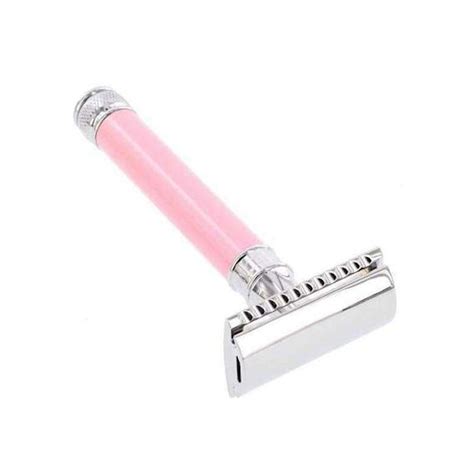
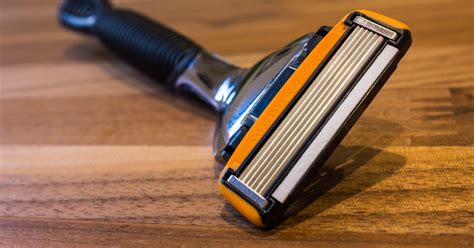
- Consider a Single-Blade Razor: For some, multi-blade razors can cut hair too short, allowing it to retract beneath the skin surface more easily. A single-blade safety razor or an electric shaver might be a better option.
Maintain Your Tools: The Unsung Hero
Your razor is your most important tool. Treat it well.
- Store Blades Properly: After rinsing, shake off excess water and store your razor in a dry place to prevent rust and bacterial growth.
- Clean Your Electric Shaver: If using an electric shaver, clean it regularly according to the manufacturer’s instructions.

Conclusion: The Path to Daily Peak Performance
Achieving a consistently smooth, comfortable shave free from razor burn and ingrown hairs is entirely within reach. It requires a thoughtful approach, from meticulous pre-shave preparation and mindful shaving techniques to diligent post-shave care and tool maintenance. By integrating these practices into your daily grooming routine, you’ll not only enhance your appearance but also significantly improve the health and comfort of your skin, ensuring you’re always ready for peak performance, daily.