




How to fuel for peak mental clarity and physical stamina all day?

In our demanding modern world, maintaining peak mental clarity and physical stamina throughout the day can feel like an elusive goal. Energy slumps, brain fog, and fatigue often hinder productivity and well-being. The good news is that your diet plays a profound role in dictating these crucial aspects of your daily performance. By understanding how to strategically fuel your body, you can unlock sustained energy, sharpen your focus, and achieve your full potential.
The Cornerstone: Balanced Macronutrients for Sustained Energy
The foundation of all-day energy and focus lies in a balanced intake of macronutrients – carbohydrates, proteins, and fats. Each plays a distinct yet interconnected role in keeping your engine running smoothly.
Complex Carbohydrates: The Steady Fuel Source
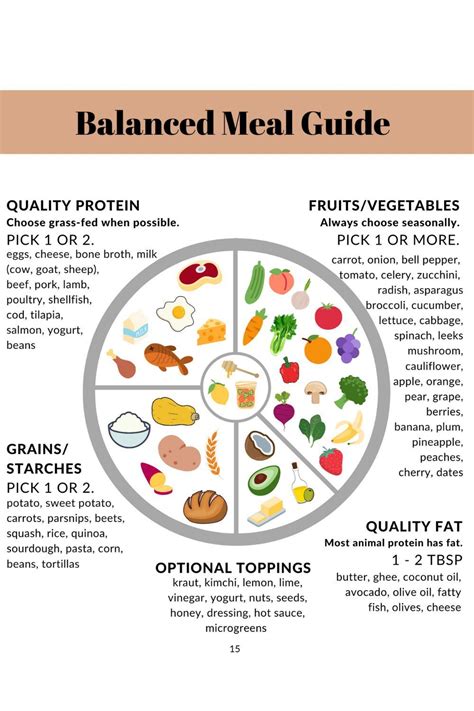
Unlike simple sugars that cause rapid spikes and crashes, complex carbohydrates provide a slow, steady release of glucose, your brain’s primary fuel. Opt for whole grains like oats, brown rice, quinoa, whole-wheat bread, and starchy vegetables such as sweet potatoes and legumes. These foods also come packed with fiber, which aids digestion and further regulates blood sugar.
Lean Proteins: Building Blocks and Satiety
Protein is essential for muscle repair, hormone production, and maintaining stable blood sugar levels, which prevents energy dips. Incorporate lean protein sources such as chicken breast, fish, eggs, tofu, lentils, beans, and Greek yogurt into every meal. Protein also enhances satiety, helping you feel fuller for longer and reducing the urge for unhealthy snacks.
Healthy Fats: Fuel for the Brain
Often misunderstood, healthy fats are critical for brain health and sustained energy. Omega-3 fatty acids, found in fatty fish (salmon, mackerel), chia seeds, flaxseeds, and walnuts, are vital for cognitive function, memory, and mood regulation. Monounsaturated fats from avocados, nuts, and olive oil also contribute to overall cellular health and provide a dense source of energy.
The Micronutrient Edge: Boosting Brain and Body
Beyond the macros, a spectrum of vitamins and minerals acts as co-factors in energy production and neurotransmitter synthesis, directly impacting your mental and physical prowess.
- B Vitamins: Crucial for converting food into energy. Found in whole grains, leafy greens, eggs, and lean meats.
- Magnesium: Involved in over 300 enzymatic reactions, including energy production and muscle function. Rich sources include dark leafy greens, nuts, seeds, and dark chocolate.
- Iron: Essential for oxygen transport throughout the body and to the brain. Deficiency leads to fatigue. Found in red meat, lentils, spinach, and fortified cereals.
- Antioxidants: Protect brain cells from oxidative stress. Berries, colorful vegetables, and green tea are excellent sources.
- Omega-3s: (Reiterating their importance) Beyond healthy fats, they are powerful anti-inflammatories vital for brain structure and function.

Hydration: The Unsung Hero of Performance
It’s astounding how often dehydration is overlooked as a culprit for fatigue, headaches, and impaired cognitive function. Even mild dehydration can significantly impact mood, concentration, and physical endurance.
Make water your primary beverage. Aim for at least 8 glasses (around 2-3 liters) a day, more if you’re active or in a hot climate. Keep a water bottle handy and sip throughout the day. Herbal teas and water-rich fruits and vegetables (cucumber, watermelon) also contribute to your fluid intake.

Strategic Eating Habits for Consistent Energy
It’s not just what you eat, but also when and how.
- Regular Meals: Avoid skipping meals. Eating smaller, balanced meals and snacks every 3-4 hours helps maintain stable blood sugar and energy levels.
- Mindful Snacking: Choose nutrient-dense snacks like a handful of nuts, a piece of fruit with nut butter, Greek yogurt, or vegetable sticks with hummus.
- Listen to Your Body: Pay attention to hunger and satiety cues. Avoid overeating, which can lead to sluggishness.
- Breakfast is Key: A balanced breakfast kickstarts your metabolism and provides immediate fuel for your brain and body.

Foods to Limit or Avoid for Optimal Performance
Just as important as what you should eat is what you should limit:
- Refined Sugars and Processed Foods: These offer quick energy spikes followed by inevitable crashes, leading to irritability and fatigue.
- Excessive Caffeine: While a moderate amount can be beneficial, over-reliance on caffeine can disrupt sleep patterns and lead to dependency and jitters.
- Unhealthy Trans Fats: Found in many processed and fried foods, these contribute to inflammation and can negatively impact brain health.
Conclusion: Your Fuel, Your Performance
Achieving peak mental clarity and physical stamina all day long isn’t about restrictive diets or complex supplements; it’s about making conscious, consistent choices about the fuel you provide your body. By prioritizing whole, unprocessed foods, balancing your macronutrients, staying hydrated, and adopting strategic eating habits, you can optimize your brain function, sustain your energy levels, and unlock a more productive and vibrant you. Start making these small, impactful changes today and experience the profound difference.