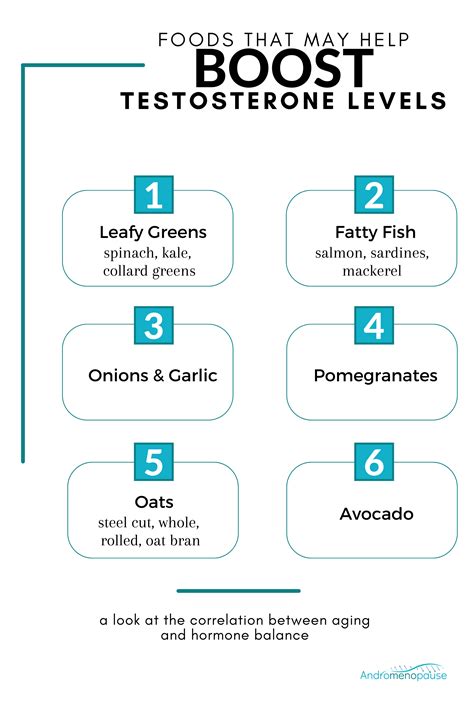





Boost male vitality: What natural diet change optimizes testosterone levels?
Testosterone, the primary male sex hormone, plays a crucial role in maintaining energy, muscle mass, bone density, libido, and mood. While age naturally brings a decline, lifestyle factors, especially diet, significantly impact its production. Optimizing your dietary choices is a powerful, natural way to support healthy testosterone levels and enhance overall male vitality.
The Cornerstone of Testosterone Support: Nutrient-Dense Whole Foods
The foundation of any hormone-optimizing diet lies in nutrient-dense, whole foods. Processed foods, high in sugar, unhealthy fats, and artificial ingredients, can disrupt hormonal balance and contribute to inflammation and weight gain, both of which are detrimental to testosterone production. Instead, prioritize foods in their most natural state.
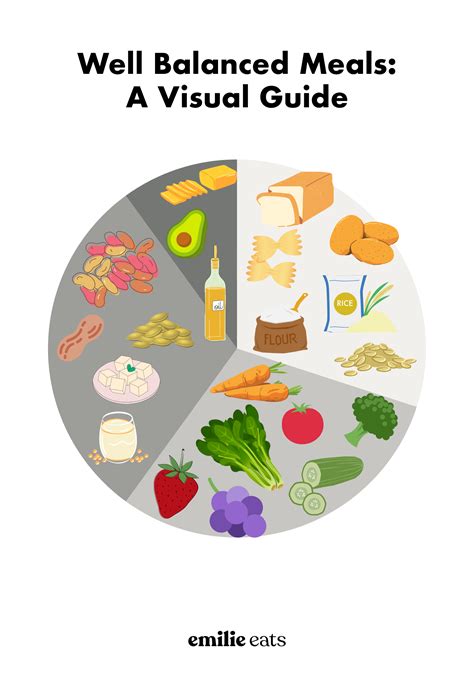
Focus on a wide array of fresh fruits and vegetables, lean protein sources, healthy fats, and complex carbohydrates. This approach provides your body with the essential vitamins, minerals, and macronutrients required for optimal endocrine function, laying the groundwork for improved testosterone synthesis.
Macronutrients: The Building Blocks of Hormones
Each macronutrient—fats, proteins, and carbohydrates—plays a distinct yet vital role in testosterone production and overall hormonal health.
Healthy Fats: Not All Fats Are Equal
Dietary fat is critical for hormone production, as cholesterol (derived from fats) is a precursor to testosterone. Focus on monounsaturated and polyunsaturated fats, while limiting saturated and avoiding trans fats.
- Sources: Avocados, olive oil, nuts (almonds, walnuts), seeds (chia, flax), fatty fish (salmon, mackerel).
Quality Protein: Essential Amino Acids
Adequate protein intake supports muscle maintenance and growth, and provides the amino acids necessary for various bodily functions, including hormone synthesis. Aim for lean, high-quality sources.
- Sources: Lean beef, chicken, turkey, eggs, fish, legumes, whey protein.
Complex Carbohydrates: Energy for Production
While often maligned, complex carbohydrates are essential for energy and can help regulate cortisol (a stress hormone that can suppress testosterone) levels. Choose whole, unprocessed carbs for sustained energy.
- Sources: Whole grains (oats, quinoa, brown rice), sweet potatoes, fruits, vegetables.
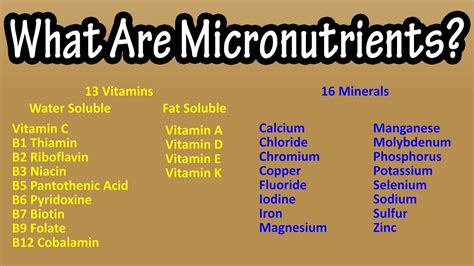
Potent Micronutrients for Testosterone Production
Certain vitamins and minerals are directly involved in the biochemical pathways that lead to testosterone synthesis.
Zinc: A Mineral Powerhouse
Zinc is crucial for testosterone production and plays a significant role in sperm health. Deficiency can lead to lower T-levels.
- Sources: Oysters (highest source), red meat, poultry, beans, nuts, pumpkin seeds.
Vitamin D: The Sunshine Vitamin
Often referred to as a hormone itself, Vitamin D is strongly linked to testosterone levels. While sunlight is the primary source, dietary intake also contributes.
- Sources: Fatty fish (salmon, tuna), fortified milk and cereals, egg yolks.
Magnesium: Crucial for Enzyme Function
Magnesium has been shown to improve free and total testosterone levels, especially when combined with exercise. It binds to sex hormone-binding globulin (SHBG), making more free testosterone available.
- Sources: Leafy green vegetables (spinach, kale), nuts (almonds, cashews), seeds, legumes, whole grains, dark chocolate.
Foods to Minimize or Avoid for Optimal T-Levels
Just as certain foods can boost testosterone, others can actively work against it. Limiting or avoiding these can significantly improve your hormonal profile.
- Processed Foods & Sugary Drinks: High sugar intake can lead to insulin resistance and increased body fat, both of which are detrimental to testosterone.
- Unhealthy Fats: Trans fats and excessive saturated fats found in fried foods, baked goods, and some processed snacks can negatively impact hormone health.
- Excessive Alcohol: Chronic heavy alcohol consumption is known to suppress testosterone production and impair testicular function.
- Soy Products (in excess): While moderate consumption is fine, very high intake of soy isoflavones may have estrogenic effects in some individuals, potentially impacting testosterone.

Beyond Diet: A Holistic Lifestyle for Vitality
While diet is a cornerstone, optimizing testosterone is part of a broader healthy lifestyle. Adequate sleep (7-9 hours per night), regular strength training and high-intensity interval training (HIIT), and effective stress management (through meditation, yoga, or hobbies) all play critical roles in supporting healthy hormone levels.
Combining these lifestyle factors with a well-chosen diet creates a powerful synergy for boosting male vitality and ensuring your body functions at its peak.

Conclusion
Embracing a diet rich in whole, unprocessed foods, healthy fats, quality proteins, and specific micronutrients like zinc, vitamin D, and magnesium is a powerful, natural strategy to optimize testosterone levels. By making conscious dietary choices and minimizing foods that hinder hormone production, you can significantly enhance your male vitality, energy, and overall well-being. Always consider consulting with a healthcare professional or registered dietitian before making significant dietary changes, especially if you have underlying health conditions.