




Which foods naturally optimize male hormones & sustain all-day energy for peak male performance?
The Foundation of Male Vitality: Diet
For men seeking to enhance their physical and mental prowess, the role of diet cannot be overstated. Beyond just calories, specific nutrients play a critical role in hormonal balance, particularly testosterone production, and in providing the sustained energy needed to conquer daily challenges. Understanding which foods to prioritize can unlock a new level of vitality and performance.
Foods for Optimal Male Hormone Production
Testosterone, the primary male sex hormone, is crucial for muscle mass, bone density, libido, mood, and energy levels. Its production is a complex process that relies heavily on a steady supply of specific nutrients. Incorporating these foods can help support healthy testosterone synthesis:
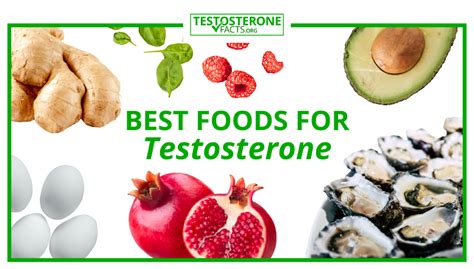
- Zinc-Rich Foods: Oysters are famously high in zinc, a mineral essential for testosterone production. Other excellent sources include red meat, poultry, beans, nuts (like pumpkin seeds and cashews), and whole grains. Zinc deficiency can lead to lower testosterone levels.
- Healthy Fats (Monounsaturated & Saturated): Contrary to outdated advice, healthy fats are vital for hormone production. Avocados, olive oil, nuts, and fatty fish like salmon provide monounsaturated fats. While moderation is key, sources of healthy saturated fats, such as organic eggs and certain cuts of red meat, also play a role in cholesterol synthesis, which is a precursor to testosterone.
- Vitamin D Sources: Often called the ‘sunshine vitamin,’ Vitamin D is actually a hormone precursor that’s strongly linked to testosterone levels. While sunlight is the best source, dietary options include fatty fish (salmon, mackerel, tuna), fortified dairy products, and egg yolks.
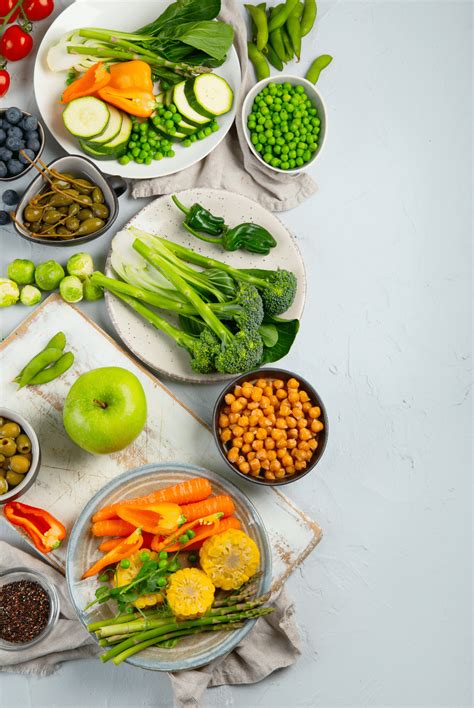
- Cruciferous Vegetables: Broccoli, cauliflower, Brussels sprouts, and kale contain compounds like indole-3-carbinol, which help the body metabolize estrogen, preventing its build-up and supporting a healthy testosterone-to-estrogen ratio.
Sustaining All-Day Energy for Peak Performance
Beyond hormones, consistent energy levels are paramount for peak performance, both mentally and physically. The key is to consume foods that provide a steady release of glucose into the bloodstream, avoiding the sharp spikes and crashes associated with refined carbohydrates. Focus on complex carbohydrates, lean proteins, and healthy fats:
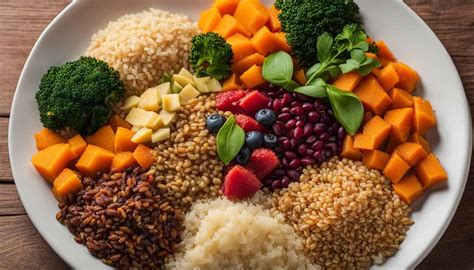
- Complex Carbohydrates: Whole grains (oats, quinoa, brown rice, whole-wheat bread), legumes (lentils, beans), and root vegetables (sweet potatoes, carrots) provide sustained energy. Their fiber content slows down sugar absorption, preventing energy dips.
- Lean Proteins: Chicken breast, turkey, fish, lean beef, eggs, and plant-based proteins like tofu and tempeh are crucial. Protein helps stabilize blood sugar, builds and repairs muscle tissue, and provides a feeling of satiety, preventing hunger-induced energy drops.
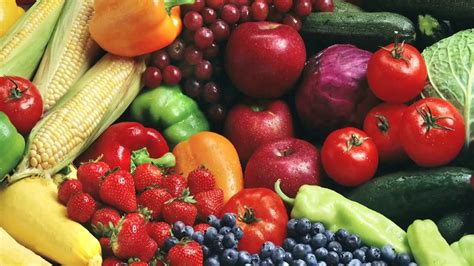
- Fiber-Rich Foods: Found in fruits, vegetables, and whole grains, fiber not only aids digestion but also slows down glucose absorption, ensuring a gradual release of energy throughout the day.
- Hydration: While not a food, adequate water intake is critical for energy. Dehydration can lead to fatigue, reduced cognitive function, and decreased physical performance.

Combining for Synergistic Effects
The real power comes from combining these food groups into a balanced, nutrient-dense diet. For example, a breakfast of oatmeal (complex carbs) with berries (fiber, antioxidants) and a handful of nuts (healthy fats, zinc) provides both sustained energy and hormone-supporting nutrients. A lunch comprising grilled salmon (healthy fats, vitamin D) with a generous serving of broccoli (cruciferous, fiber) and quinoa (complex carbs, protein) offers a comprehensive approach to both energy and hormonal health.

Beyond Food: Lifestyle Factors
While diet is foundational, it’s part of a larger ecosystem of well-being. Regular strength training and high-intensity interval training (HIIT) are known to boost testosterone. Adequate, quality sleep (7-9 hours) is crucial for hormone regulation and energy restoration. Managing stress through mindfulness, meditation, or hobbies also prevents cortisol (stress hormone) from negatively impacting testosterone. Limiting alcohol and avoiding processed foods further supports overall health and hormonal balance.
Conclusion
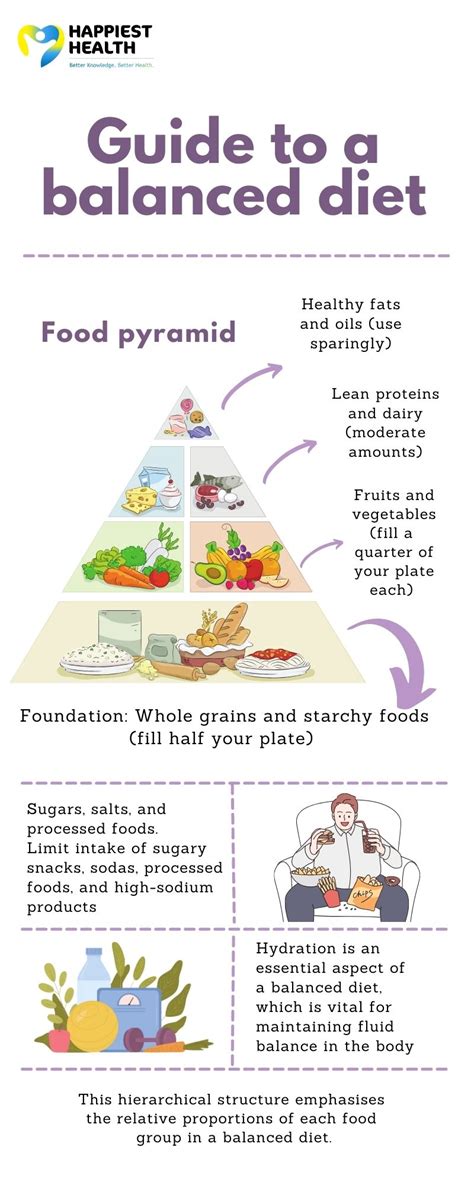
Optimizing male hormones and sustaining all-day energy isn’t about exotic supplements or restrictive diets; it’s about making intelligent, consistent food choices. By prioritizing zinc-rich foods, healthy fats, Vitamin D sources, cruciferous vegetables, complex carbohydrates, and lean proteins, men can naturally enhance their vitality, improve hormonal balance, and unlock their peak performance potential. Coupled with a healthy lifestyle, these dietary strategies form the bedrock of enduring male health and vigor.