




Which foods naturally boost testosterone for peak male vitality and performance?
The Crucial Role of Testosterone in Male Health
Testosterone, the primary male sex hormone, plays a monumental role in more than just libido and muscle mass. It’s a cornerstone of overall male vitality, influencing energy levels, mood, bone density, cognitive function, and even cardiovascular health. Optimal testosterone levels are linked to greater well-being, enhanced physical performance, and a sharper mental edge. While age and lifestyle factors can lead to a natural decline, dietary choices offer a powerful, natural pathway to support and potentially boost this essential hormone.
Understanding which foods can naturally support testosterone production is key for any man seeking to maximize his vitality and performance without resorting to artificial means. This article explores a range of nutrient-dense foods known for their testosterone-boosting properties, empowering you to make informed choices for your diet.
Essential Nutrients for Testosterone Synthesis
Several micronutrients are absolutely critical for the body’s natural production of testosterone. Ensuring an adequate intake of these can significantly impact your hormonal health.
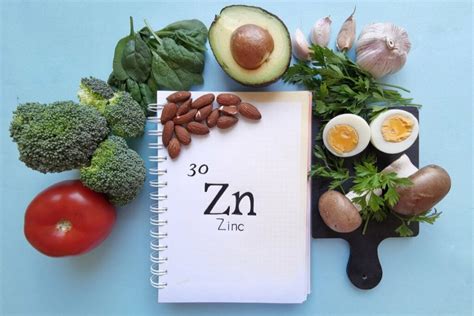
- Zinc: A vital mineral directly involved in testosterone production. Low zinc levels are often associated with reduced testosterone.
- Vitamin D: Functioning more like a steroid hormone than a vitamin, Vitamin D is strongly linked to testosterone levels. Studies show supplementation can increase free testosterone.
- Magnesium: This mineral plays a role in numerous enzymatic reactions, including those related to hormone synthesis. It can also increase free testosterone by reducing its binding to sex hormone-binding globulin (SHBG).
- Healthy Fats: Cholesterol is a precursor to testosterone, and certain types of fats are essential for its healthy production. Saturated and monounsaturated fats, in moderation, are particularly important.
Top Foods to Naturally Boost Testosterone
1. Zinc-Rich Powerhouses
Oysters: Often hailed as an aphrodisiac, oysters are among the richest natural sources of zinc. Just a few can provide your daily recommended intake, directly supporting testosterone synthesis.
Red Meat & Shellfish: Lean cuts of beef, lamb, and other shellfish like crab and lobster are excellent sources of zinc, protein, and iron. Opt for grass-fed options when possible for better nutrient profiles.
2. Vitamin D Sources
Fatty Fish: Salmon, tuna, mackerel, and sardines are not only packed with beneficial Omega-3 fatty acids but are also excellent sources of Vitamin D. Regular consumption supports both heart health and hormonal balance.
Egg Yolks: While whole eggs are a nutritional powerhouse, the yolk specifically contains Vitamin D and cholesterol, which is a building block for testosterone. Don’t skip the yolk!
3. Healthy Fats for Hormonal Harmony
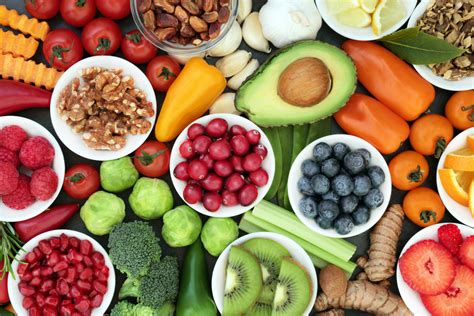
Avocados: A fantastic source of monounsaturated fats, avocados provide healthy cholesterol, which the body uses to produce testosterone. They also offer essential vitamins and minerals.
Olive Oil: Extra virgin olive oil, a staple of the Mediterranean diet, is rich in monounsaturated fats and antioxidants. Research suggests it can support luteinizing hormone (LH) and testosterone production.
Nuts & Seeds: Almonds, walnuts, pecans, and pumpkin seeds are loaded with healthy fats, magnesium, zinc, and Vitamin E, all contributing to optimal hormonal function.
4. Magnesium & Phytonutrient Wonders
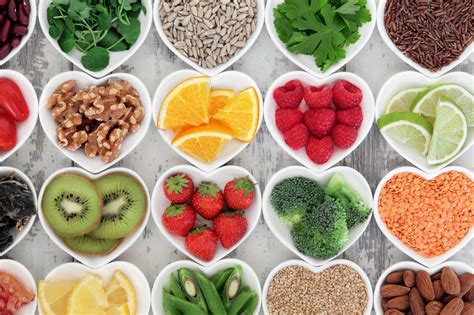
Spinach & Leafy Greens: These nutrient-dense vegetables are high in magnesium, a mineral crucial for free testosterone levels. They also provide a wealth of other vitamins and antioxidants.
Cruciferous Vegetables: Broccoli, cauliflower, cabbage, and Brussels sprouts contain compounds like Indole-3-carbinol (I3C) which help the body metabolize estrogen, ensuring a healthier testosterone-to-estrogen ratio.
Onions & Garlic: Both have been shown in some studies to contain compounds that may stimulate testosterone production and improve overall hormonal health.
Ginger: Traditional medicine has long used ginger for its health benefits. Emerging research suggests it may also have a positive impact on testosterone levels.
Foods to Limit or Avoid
While focusing on beneficial foods is important, it’s equally crucial to minimize consumption of foods that can negatively impact testosterone. These include highly processed foods, excessive sugar, unhealthy trans fats, and large amounts of refined carbohydrates, all of which can contribute to inflammation and hormonal imbalance.
A Holistic Approach to Male Hormonal Health
While diet plays a significant role, it’s part of a broader picture. To achieve peak male vitality and performance, combine a testosterone-boosting diet with regular exercise (especially strength training), adequate sleep, and effective stress management techniques. These lifestyle factors work synergistically to optimize your body’s natural hormonal environment.
Conclusion: Fueling Your Peak Performance
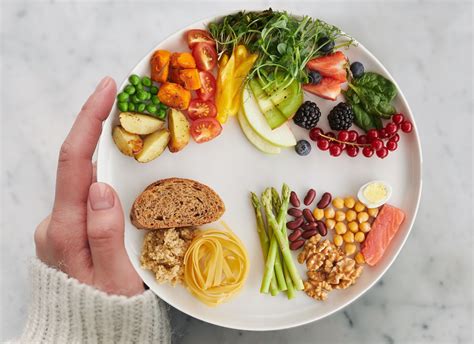
Embracing a diet rich in zinc, Vitamin D, magnesium, and healthy fats is a natural and effective strategy to support your body’s testosterone production. By prioritizing foods like oysters, fatty fish, avocados, and leafy greens, you can take significant steps towards enhancing your vitality, energy, and overall performance. Remember, consistent healthy choices are key to sustaining optimal hormonal health and enjoying the full spectrum of benefits that come with peak male vitality.